Kubernetes network deep dive: Did you make the right choice?
Table of Contents
Kubernetes networking design can be intimidating, especially when you are the one to make decisions for cluster-level network choices. In this session, we will discuss how these choices will affect cluster routing and load balancing, focusing on KubeProxy modes(iptables vs IPVS) and network solutions. The main purpose of this blog is to help Kubernetes users to get comfortable with K8S major network components, common usage patterns, and corresponding troubleshooting tools.
This will provide a good foundation for you to design your next cluster or to analyze your existing cluster network issues and make suggestions for improvements. First question, KubeProxy is a critical and required component in all K8S clusters, which mode is the right one for you? iptable or IPVS? Next, how to choose the best L2/L3 network solution?
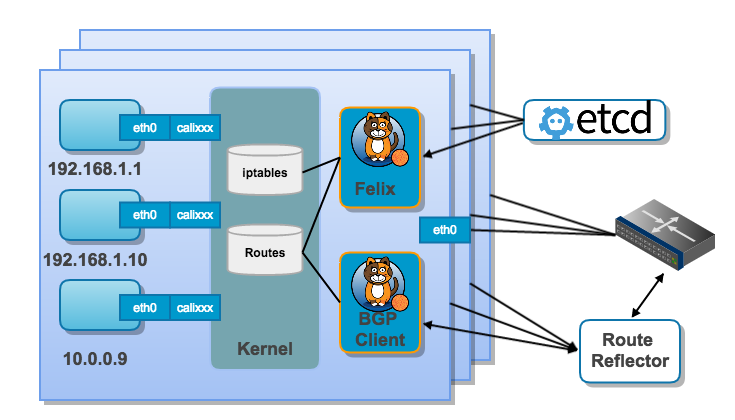
KubeRouter, Calico, Flannel or others? After deploying the cluster and have the network up and running. What tools can I use to verify expected behavior for routing and load balancing?
Source: itnext.io