DNA Computer Shows Programmable Chemical Machines Are Possible
Table of Contents
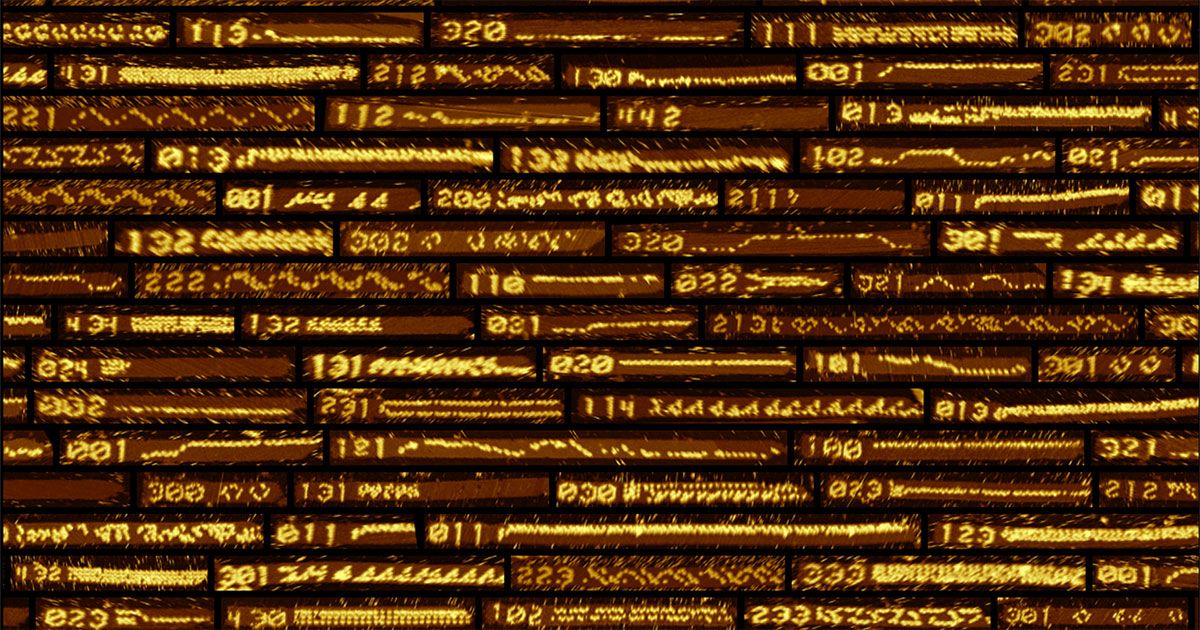
The DNA computer works by layers of DNA logic gates attaching to a DNA origami seed (grey). Adapter strands [red] attach at specific locations on the seed, encoding the 6-bit input. DNA single-stranded logic gates [blue, brown, yellow] attach in locations that match the input, solving the algorithm as the system grows.
Probably the most masterful and mysterious act of chemical computation is when a single cell usesits DNA to divide, multiply, and specialize to produce a fully developed organism. In research reported this week in Nature, computer scientiststook a small but important step toward harnessing the potential of chemical computation by constructingthe first broadly programmable DNA computer. The system executes a wide variety of 6-bit programs using a set of instructions written in DNA.
The researchersused it to perform 21 test programs, though the system is capable of many more. Previous DNA computer schemes were essentially bespoke systems, only capable of solving the single problem they were designed for. The new system, which is made of just DNA and salt water,is unlikely to find a technological application itself.
But it is a step toward developing self-assembling programmable matter, where chemical software automatically directs the construction of materials with complex, programmable nanometer-scale features. Its creators were “trying to understand how to embed computational behaviors within chemistry in order control what chemistry does,” explains Erik Winfree, the professor of computer science and bioengineeringwho led the research, which wasmostly conductedat Caltech.
Source: ieee.org