Switching between Prometheus servers in Grafana using data source variables

Switching between Prometheus servers in Grafana using data source variables

  • August 3, 2019
Table of Contents

Switching between Prometheus servers in Grafana using data source variables

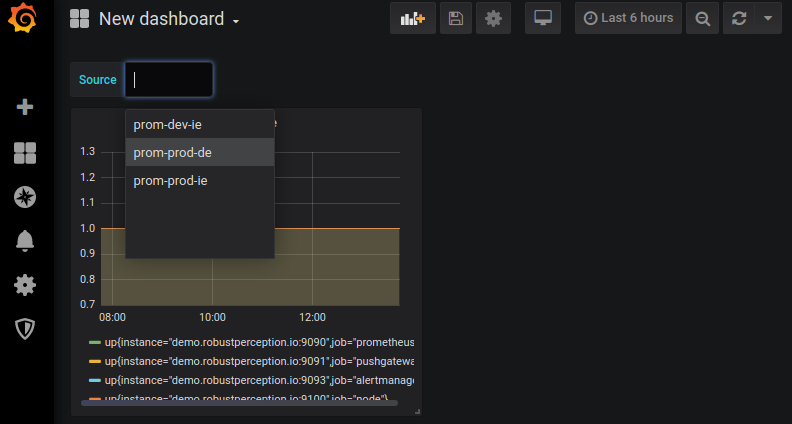
Variables in Grafana (previously known as templates) allow parameterisation of a dashboard via a drop-down menu. Often this is used to switch between machines or services, so that you can have per-machine dashboards without needing to create a dashboard every time a new machine appears. They’re also stored in URL parameters, so could be linked from alert notifications or wiki pages.

Source: robustperception.io

Share :
comments powered by Disqus

Related Posts

Monitoring Kubernetes, part 1: the challenges + data sources

Monitoring Kubernetes, part 1: the challenges + data sources

Our industry has long been relying on microservice-based architecture to deliver software faster and safer. The advent and ubiquity of microservices naturally paved the way for container technology, empowering us to rethink how we build and deploy our applications. Docker exploded onto the scene in 2013, and, for companies focusing on modernizing their infrastructure and cloud migration, a tool like Docker is critical to shipping applications quickly, at scale.

Read More
Optimising Prometheus 2.6.0 Memory Usage with pprof

Optimising Prometheus 2.6.0 Memory Usage with pprof

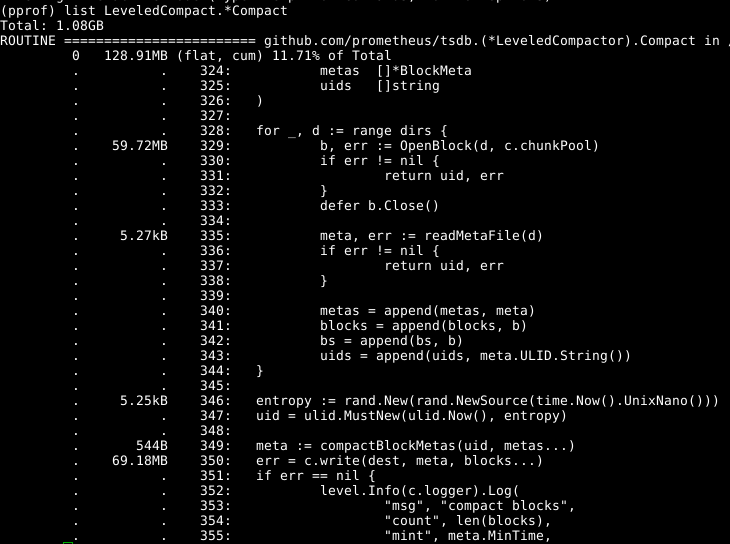
There have been some reportsthat compaction was causing larger memory spikes than was desirable. I dug into this and improved it for Prometheus 2.6.0, so let’s see how. Firstly I wrote a test setup that created some samples for 100k time series, in a way that would require compaction.

Read More
What is the Future of Observability?

What is the Future of Observability?

At KubeCon + CloudNativeCon EU last week, Grafana Labs VP Product Tom Wilkie and Red Hat Software Engineer Frederic Branczyk, gave a keynote presentation about the future of observability and how this trifecta will evolve in 2019 and the years to come.

Read More