Zoncolan: How Facebook uses static analysis to detect and prevent security issues

Zoncolan: How Facebook uses static analysis to detect and prevent security issues

  • August 17, 2019
Table of Contents

Zoncolan: How Facebook uses static analysis to detect and prevent security issues

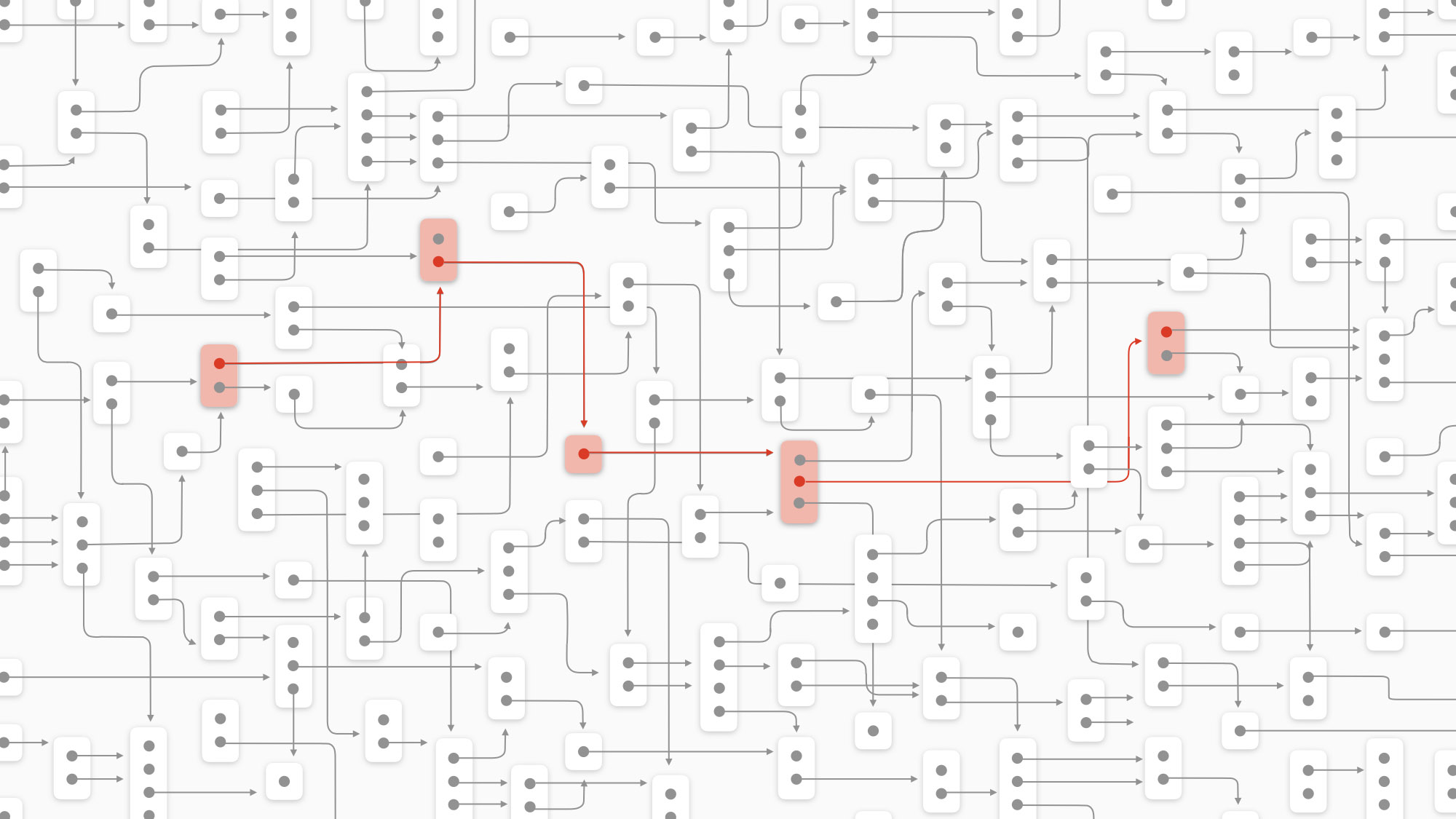
Zoncolan helps security engineers scale their work by using static analysis to examine code and detect security or privacy issues. Facebook’s web codebase currently contains more than 100 million lines of Hack code, and changes thousands of times per day. To handle the sheer volume of code, we build sophisticated systems that help our security engineers review code.

Today, we are sharing the details of one of those tools, called Zoncolan, for the first time. Zoncolan helps security engineers scale their work by using static analysis to automatically examine our code and detect potentially dangerous security or privacy issues. To handle the sheer volume of code, we build sophisticated systems that help our security engineers review code.

Source: fb.com

Tags :
Share :
comments powered by Disqus

Related Posts

I’m Not A Robot!

I’m Not A Robot!

There is no one way to secure your API that fits all situations. But, you can learn the schemes, study how the biggest social networks are dealing with it and find out the industry standard; then apply it to your project in the way you see fit. At the end of this article, you’ll have a clear understanding of the different schemes.

Read More
How to detect Kubernetes vulnerability CVE-2019-11246 using Falco.

How to detect Kubernetes vulnerability CVE-2019-11246 using Falco.

A recent CNCF-sponsored Kubernetes security audit uncovered CVE-2019-11246, a high-severity vulnerability affecting the command-line kubectl tool. If exploited, it could lead to a directory traversal, allowing a malicious container to replace or create files on a user’s workstation. This vulnerability stemmed from an incomplete fix of a previously disclosed vulnerability (CVE-2019-1002101).

Read More