Understanding Convolutional Neural Networks

Understanding Convolutional Neural Networks

  • September 14, 2019
Table of Contents

Understanding Convolutional Neural Networks

A Convolutional Neural Network (CNN) is a class of deep, feed-forward artificial neural networks most commonly applied to analyzing visual imagery. The architecture of these networks was loosely inspired by biological neurons that communicate with each other and generate outputs dependent on the inputs. Though work on CNNs started in the early 1980s, they only became popular with recent technology advancements and computational capabilities that allow the processing of large amounts of data and the training of sophisticated algorithms in a reasonable amount of time.

Some of the applications of CNNs include AI-based virtual assistant, automatic photo tagging, video labeling, and self-driving cars. This blog assumes that you have a basic knowledge of neural networks. You can also check out Introduction to convolutional neural networks, which covers everything you need to know for this post.

Source: cloudera.com
Tags :
Share :
comments powered by Disqus

Related Posts

Replay in biological and artificial neural networks

Replay in biological and artificial neural networks

Our waking and sleeping lives are punctuated by fragments of recalled memories: a sudden connection in the shower between seemingly disparate thoughts, or an ill-fated choice decades ago that haunts us as we struggle to fall asleep. By measuring memory retrieval directly in the brain, neuroscientists have noticed something remarkable: spontaneous recollections, measured directly in the brain, often occur as very fast sequences of multiple memories. These so-called ‘replay’ sequences play out in a fraction of a second–so fast that we’re not necessarily aware of the sequence.

Read More
Teaching Computers to Answer Complex Questions

Teaching Computers to Answer Complex Questions

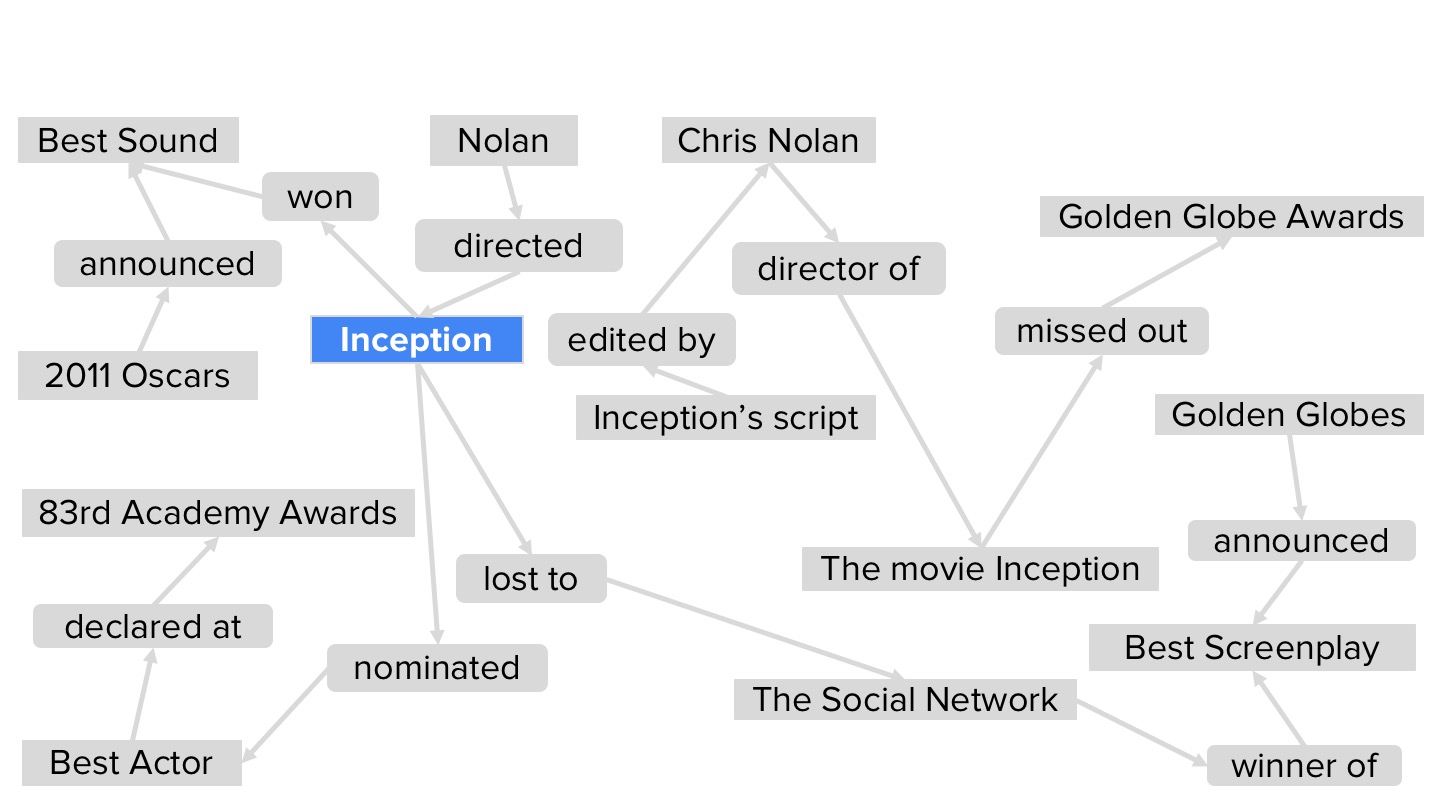
Computerized question-answering systems usually take one of two approaches. Either they do a text search and try to infer the semantic relationships between entities named in the text, or they explore a hand-curated knowledge graph, a data structure that directly encodes relationships among entities. With complex questions, however — such as “Which Nolan films won an Oscar but missed a Golden Globe?” — both of these approaches run into difficulties.

Read More