Peloton – Uber’s Webscale Unified Scheduler on Mesos & Kubernetes

Peloton – Uber’s Webscale Unified Scheduler on Mesos & Kubernetes

  • October 5, 2019
Table of Contents

Peloton – Uber’s Webscale Unified Scheduler on Mesos & Kubernetes

Mayank Bansal and Min Cai present Peloton, a Unified Resource Scheduler for collocating heterogeneous workloads in shared Mesos clusters. Its goal is to manage compute resources more efficiently while providing hierarchical max-min fairness guarantees for different teams. Peloton schedules large-scale batch jobs with millions of tasks and supports distributed TensorFlow jobs with thousands of GPUs.

Source: infoq.com

Tags :
Share :
comments powered by Disqus

Related Posts

Sessionizing Uber Trips in Real Time

Sessionizing Uber Trips in Real Time

Uber’s many data flows required modeling the data associated with a specific task, such as a rider trip, into a state machine. The state machine lets engineers focus on just the events needed to successfully accomplish a trip. In one sense, Uber’s challenge of efficiently matching riders and drivers in the real world comes down to the question of how to collect, store, and logically arrange data.

Read More
Faster Neural Networks Straight from JPEG

Faster Neural Networks Straight from JPEG

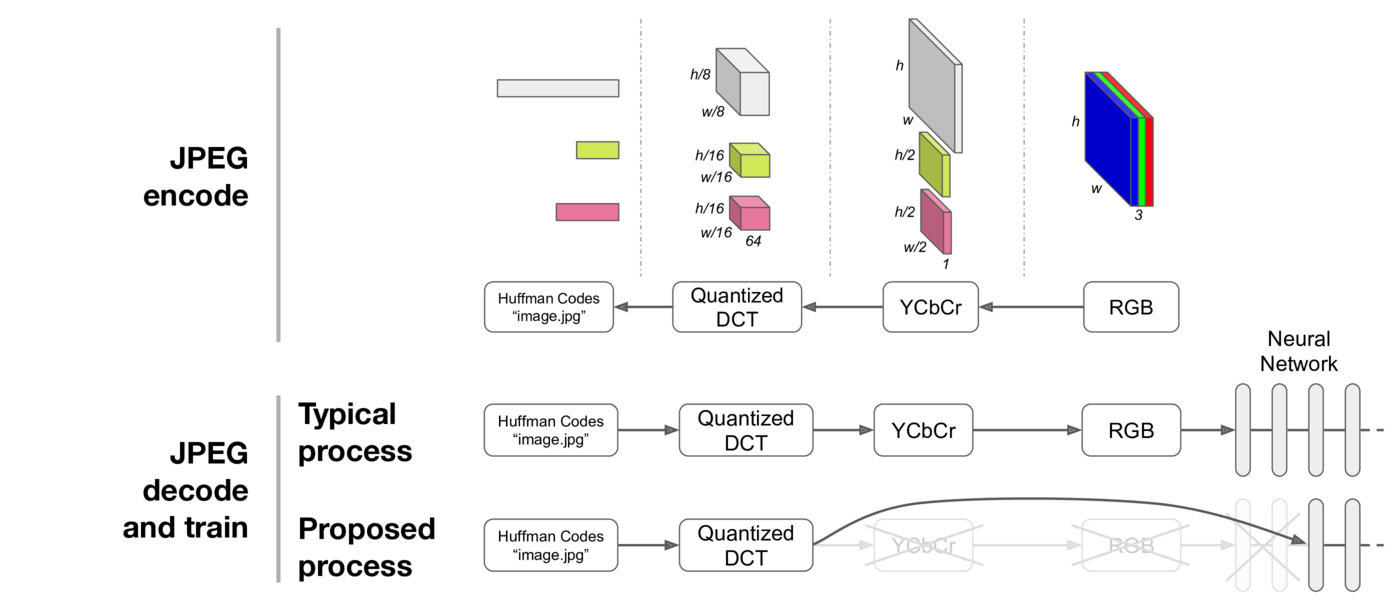
Uber AI Labs introduces a method for making neural networks that process images faster and more accurately by leveraging JPEG representations. Neural networks, an important tool for processing data in a variety of industries, grew from an academic research area to a cornerstone of industry over the last few years. Convolutional Neural Networks (CNNs) have been particularly useful for extracting information from images, whether classifying them, recognizing faces, or evaluating board positions in Go.

Read More