Building storage-first serverless applications with HTTP APIs service integrations

Building storage-first serverless applications with HTTP APIs service integrations

  • September 25, 2020
Table of Contents

Building storage-first serverless applications with HTTP APIs service integrations

Over the last year, I have been talking about “storage first” serverless patterns. With these patterns, data is stored persistently before any business logic is applied. The advantage of this pattern is increased application resiliency.

By persisting the data before processing, the original data is still available, if or when errors occur. Using Amazon API Gateway as a proxy to an AWS Lambda function is a common pattern in serverless applications. The Lambda function handles the business logic and communicates with other AWS or third-party services to route, modify, or store the processed data.

One option is to place the data in an Amazon Simple Queue Service (SQS) queue for processing downstream. In this pattern, the developer is responsible for handling errors and retry logic within the Lambda function code.

Source: amazon.com
Share :
comments powered by Disqus

Related Posts

Designing Edge Gateway, Uber’s API Lifecycle Management Platform

Designing Edge Gateway, Uber’s API Lifecycle Management Platform

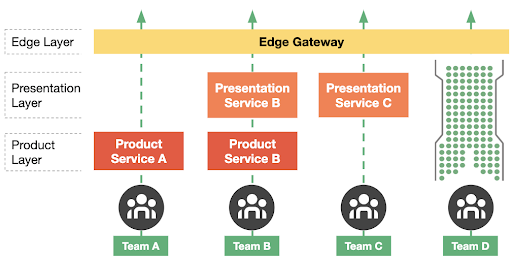
In October 2014, Uber had started its journey of scale in what would eventually turn out to be one of the most impressive growth phases in the company. Over time we were scaling our engineering teams non-linearly each month and acquiring millions of users across the world. In this article, we will go through the different phases of the evolution of Uber’s API gateway that powers Uber products.

Read More
Millions of tiny databases

Millions of tiny databases

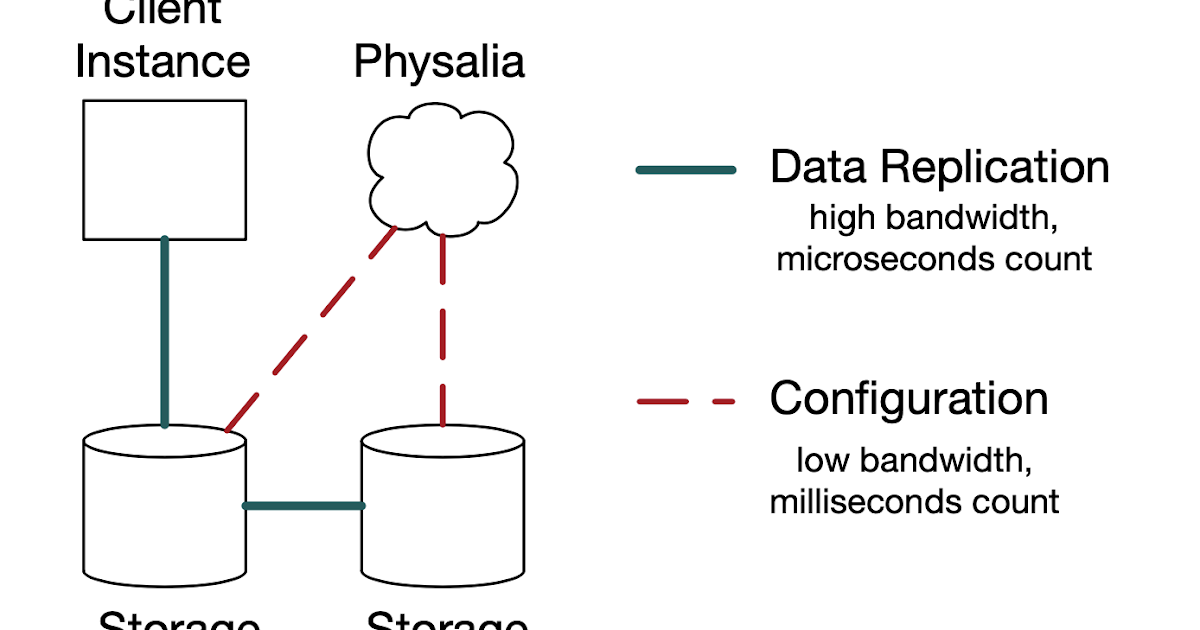
The Physalia configuration store for chain replication of EBS is implemented as key-value stores maintained over a large number of these cells. They built a test harness, called SimWorld, which abstracts networking, performance, and other systems concepts. The goal of this approach is to allow developers to write distributed systems tests, including tests that simulate packet loss, server failures, corruption, and other failure cases, as unit tests in the same language as the system itself.

Read More