Our Microbiomes Are Making Scientists Question What it Means to Be Human

Our Microbiomes Are Making Scientists Question What it Means to Be Human

  • March 8, 2018
Table of Contents

Our Microbiomes Are Making Scientists Question What it Means to Be Human

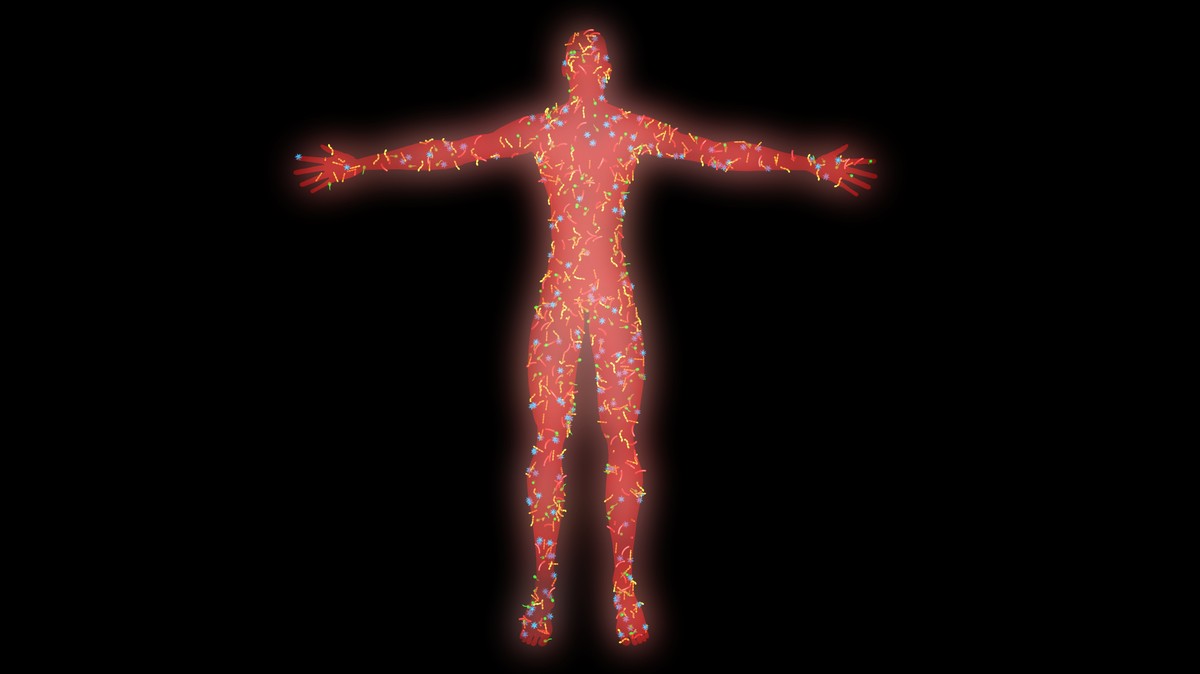
When you’re young, everyone tells you that you are a unique individual. The idea of individuality stretches back centuries, but as we learn more about our bodies, some biologists have suggested that the microorganisms within us mean we’re more like a collection of trillions of organisms than an individual person.

Source: vice.com

Share :
comments powered by Disqus

Related Posts

Did plants cause one of Earth’s great extinctions?

Did plants cause one of Earth’s great extinctions?

Clues are hard to come by when you’re trying to look back to a time when the continents clumped together like a closed fist. But geologists have found evidence that plants, the most gentle of organisms, may have helped kill most of the life in the oceans 374 million years ago.

Read More
Philosophical intuition: just what is ‘a priori’ justification?

Philosophical intuition: just what is ‘a priori’ justification?

Philosophers use the term ‘intuition’ in a slightly different sense than it is used in everyday discourse. Generally speaking, the difference is that philosophical intuitions are based solely on understanding a proposition, while non-philosophical intuitions are not. If a proposition seems true to you simply on the basis of your understanding of it, and not on the basis of empirical evidence, testimony, memory or reasoning, then you are having an intuition in a philosophical sense that it is true.

Read More
New Giant Viruses Further Blur the Definition of Life

New Giant Viruses Further Blur the Definition of Life

For decades, descriptions of viruses have straddled life and nonlife, a divide that usually isn’t difficult to navigate. Their hallmark characteristics, namely their small size, tiny genomes and parasitic dependence on cellular hosts for replication, set them apart from all other living things despite their animation. But that story has gotten far more puzzling — particularly since the discovery of the first giant virus in 2003, which was so large that researchers initially thought it was a bacterium.

Read More