The shape of life

The shape of life

  • March 16, 2018
Table of Contents

The shape of life

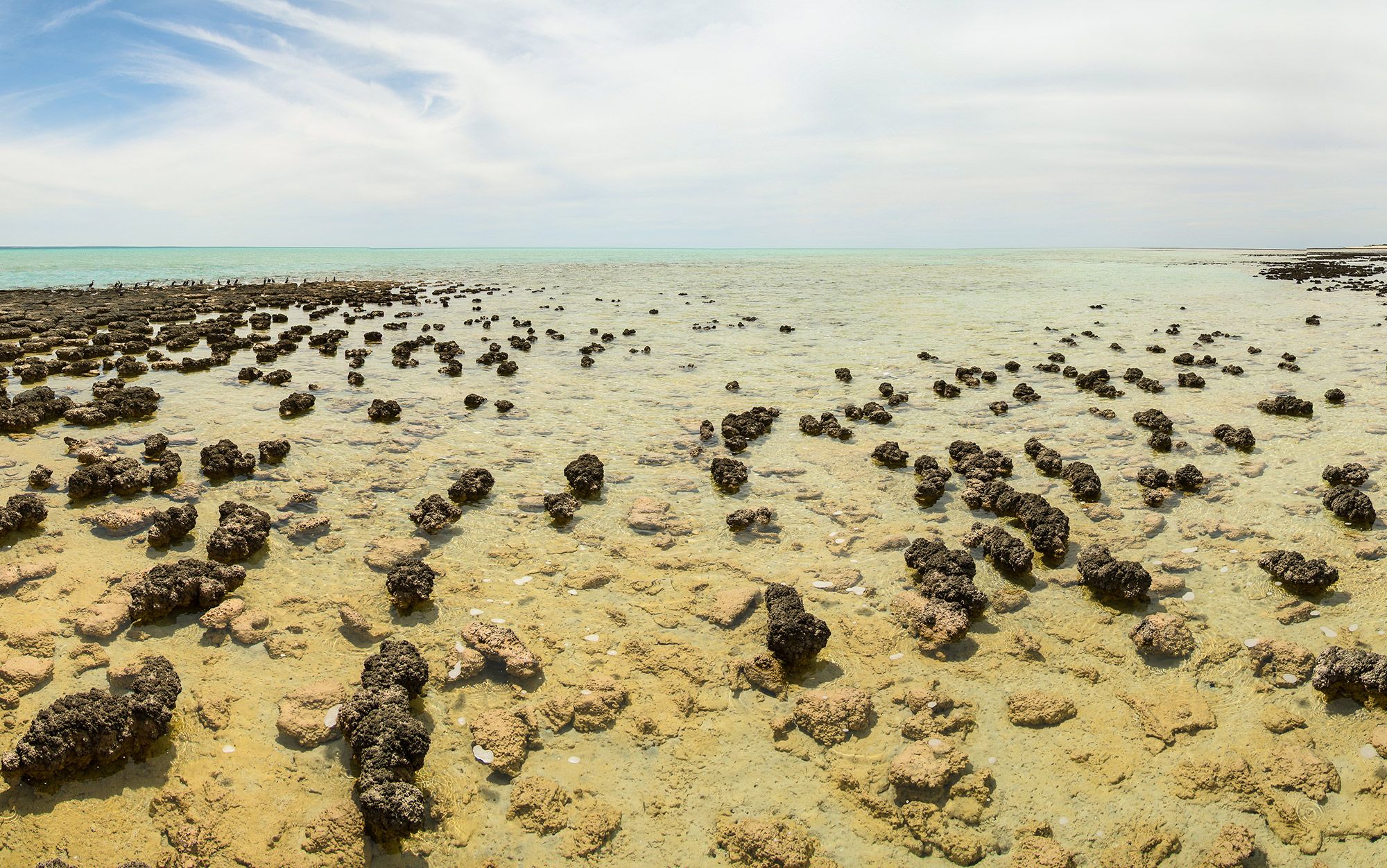
Last spring, the geobiologist Dominic Papineau and colleagues reported that fossilised microorganisms were identified in 3.77-4.28-billion-year-old iron-rich rock in Quebec: hematite tubes and filaments whose appearance is similar to microorganisms that today live in hydrothermal vents. Others dismissed their findings as ‘dubiofossils’, a term the geologist Hans Hofmann coined in 1972 to describe controversial fossils. ‘Fossils,’ Hofmann wrote, were proven biological; ‘pseudofossils’ resembled life but were inorganic; ‘dubiofossils’ (also known as Problematica or Miscellanea) were equivocal.

No one is sure whether either of these findings has discovered ancient petrified organisms or not.

Source: aeon.co
Tags :
Share :
comments powered by Disqus

Related Posts

Did plants cause one of Earth’s great extinctions?

Did plants cause one of Earth’s great extinctions?

Clues are hard to come by when you’re trying to look back to a time when the continents clumped together like a closed fist. But geologists have found evidence that plants, the most gentle of organisms, may have helped kill most of the life in the oceans 374 million years ago.

Read More
A Look Back at the 1960s PLATO Computing System

A Look Back at the 1960s PLATO Computing System

In the 1960s, researchers at the University of Illinois Urbana—Champaign developed a computer system that they hoped would expand access to education. They envisioned instructors usingthe system to build lessons, and students stationing themselves at machines—whose touchscreen plasma displays had a distinct orange glow—to complete coursework.

Read More