The Microbiome is the Fundamental Future of Personalized Medicine

The Microbiome is the Fundamental Future of Personalized Medicine

  • May 14, 2018
Table of Contents

The Microbiome is the Fundamental Future of Personalized Medicine

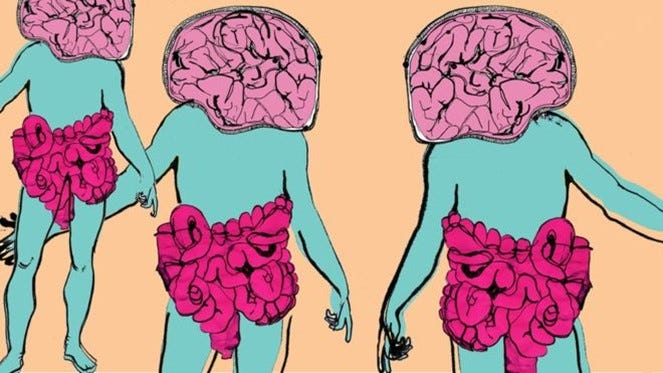
If anything makes us human it’s our minds, thoughts and emotions. And yet a controversial new concept is emerging that claims gut bacteria are an invisible hand altering our brains. Science is piecing together how the trillions of microbes that live on and in all of us—our microbiome—affect our physical health.

How could bacteria be altering the brain? The brain is the most complex object in the known universe so how could it be reacting to bacteria in the gut? One route is the vagus nerve, it’s an information superhighway connecting the brain and the gut.

Bacteria break down fiber in the diet into chemicals called short-chain fatty acids, which can have effects throughout the body. The microbiome influences the immune system, which has also been implicated in brain disorders. There is even emerging evidence that gut bugs could be using tiny strips of genetic code called microRNAs to alter how DNA works in nerve cells.

Source: medium.com

Share :
comments powered by Disqus

Related Posts

Cells Talk in a Language That Looks Like Viruses

Cells Talk in a Language That Looks Like Viruses

For cells, communication is a matter of life and death. The ability to tell other members of your species — or other parts of the body — that food supplies are running low or that an invading pathogen is near can be the difference between survival and extinction. Scientists have known for decades that cells can secrete chemicals into their surroundings, releasing a free-floating message for all to read.

Read More
‘Double Trojan Horse’ Drug Tricks Bacteria into Committing Suicide

‘Double Trojan Horse’ Drug Tricks Bacteria into Committing Suicide

Bacteria come in two very broad categories based on the structure of their cell walls, the outer region that gives the cells shape and integrity. The cell walls of Gram-positive bacteria consist of a membrane surrounded by a thick layer of sugar and protein, while the cell walls of Gram-negative bacteria consist of a membrane surrounded by a second membrane. This fundamental anatomical difference has a profound medical implication: The types of antibiotics that can kill Gram-positive bacteria are likely ineffective against Gram-negative bacteria and vice versa.

Read More