Our cancer preventing genes revealed
Table of Contents
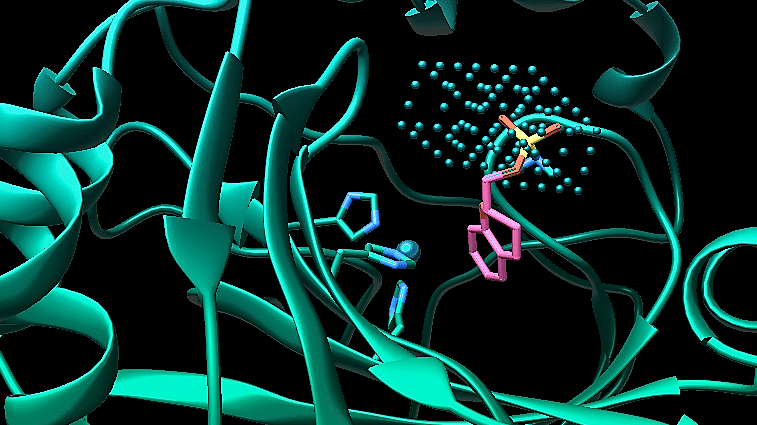
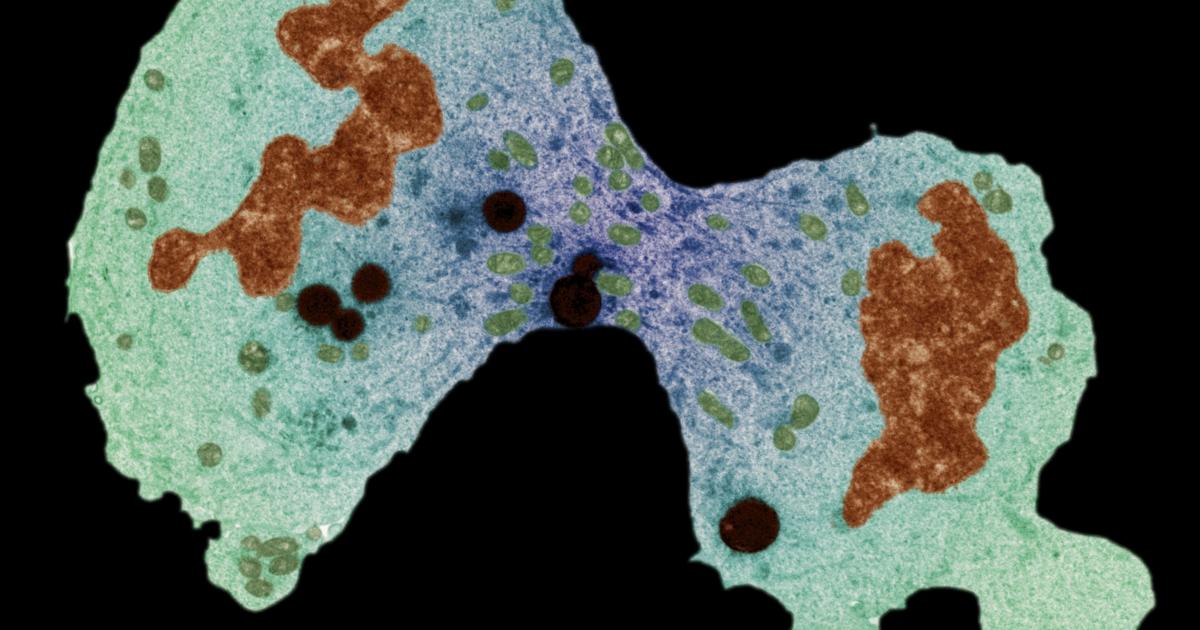
In our bodies, we all have genes working hard to prevent cancer. If they don’t do their job properly, rogue cells can mutate and develop into the life-threatening disease. The malfunction of one so-called “super tumour suppressor gene” known as p53 causes at least half of all cancers.
When it works, p53 regulates how a cell reacts to various stresses and can instruct a rogue cell to die or stop multiplying. Researchers have known about the significance of p53 in protecting us from cancer for about 30 years, but until now no one has explained how it prevents cancer development. In a world-first, Melbourne scientists have found that a special group of genes that function in the body’s normal DNA repair process are critical to p53’s effectiveness in preventing the development of cancer.
The team discovered that the DNA repair gene MLH1 and as well as other related genes are critical to p53’s ability to prevent the development of B-cell lymphomas. This new information could help doctors better identify patients with an increased risk of certain cancers. It could also lead to safer, more effective treatments.
Dr Janic says that while the results will take several years to translate into clinical practice, the discovery is ground-breaking. She says it paves the way for researchers to investigate whether the DNA repair process is as important in cancers other than lymphoma, like pancreatic and colon cancer.
Source: edu.au