The inconvenient truth about cancer and mobile phones

The inconvenient truth about cancer and mobile phones

  • July 15, 2018
Table of Contents

The inconvenient truth about cancer and mobile phones

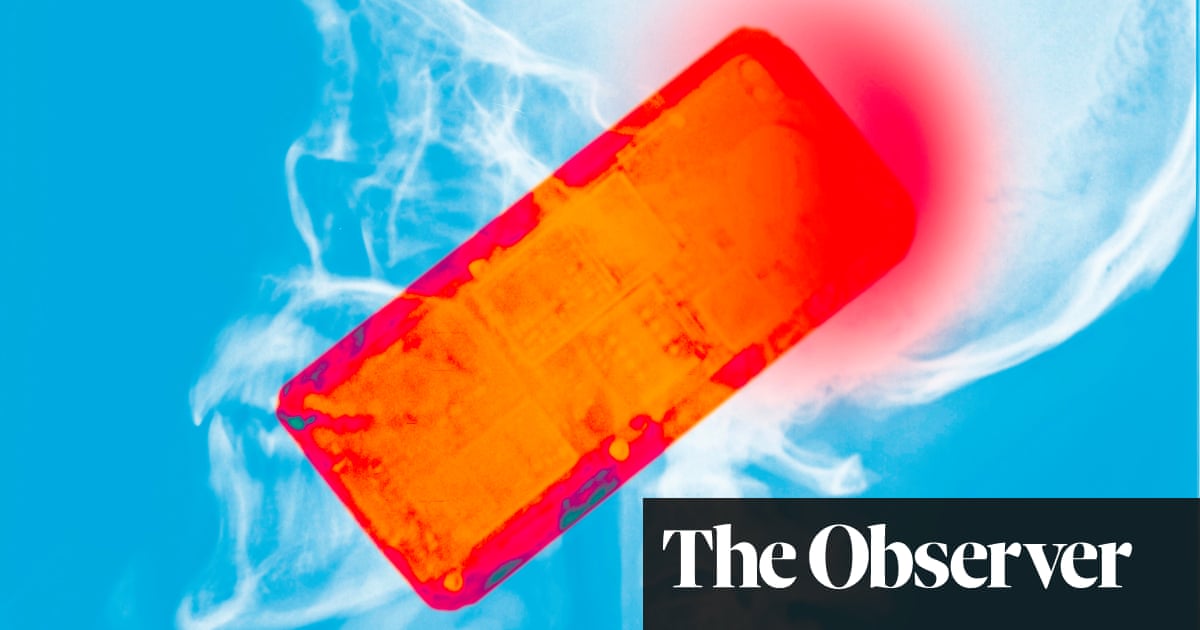
On 28 March this year, the scientific peer review of a landmark United States government study concluded that there is “clear evidence” that radiation from mobile phones causes cancer, specifically, a heart tissue cancer in rats that is too rare to be explained as random occurrence. Eleven independent scientists spent three days at Research Triangle Park, North Carolina, discussing the study, which was done by the National Toxicology Program of the US Department of Health and Human Services and ranks among the largest conducted of the health effects of mobile phone radiation. NTP scientists had exposed thousands of rats and mice (whose biological similarities to humans make them useful indicators of human health risks) to doses of radiation equivalent to an average mobile user’s lifetime exposure.

The peer review scientists repeatedly upgraded the confidence levels the NTP’s scientists and staff had attached to the study, fuelling critics’ suspicions that the NTP’s leadership had tried to downplay the findings. Thus the peer review also found “some evidence” – one step below “clear evidence” – of cancer in the brain and adrenal glands.

Source: theguardian.com

Share :
comments powered by Disqus

Related Posts

Ingestible “bacteria on a chip” could help diagnose disease

Ingestible “bacteria on a chip” could help diagnose disease

This “bacteria-on-a-chip” approach combines sensors made from living cells with ultra-low-power electronics that convert the bacterial response into a wireless signal that can be read by a smartphone. In the new study, appearing in the May 24 online edition of Science, the researchers created sensors that respond to heme, a component of blood, and showed that they work in pigs. They also designed sensors that can respond to a molecule that is a marker of inflammation.

Read More
Our cancer preventing genes revealed

Our cancer preventing genes revealed

In our bodies, we all have genes working hard to prevent cancer. If they don’t do their job properly, rogue cells can mutate and develop into the life-threatening disease. The malfunction of one so-called “super tumour suppressor gene” known as p53 causes at least half of all cancers.

Read More
Drone Delivery Becomes a Reality in Remote Pacific Islands

Drone Delivery Becomes a Reality in Remote Pacific Islands

Currently, health workers in Vanuatu often hike over mountains to deliver vaccines–but drones can fly over them. This September, delivery drones will begin to fly the friendly skies of Vanuatu. And this isn’t a one-shot demonstration, like many of the stunts we’ve seen from the likes of Amazon and Google.

Read More