Zoncolan: How Facebook uses static analysis to detect and prevent security issues

Zoncolan: How Facebook uses static analysis to detect and prevent security issues

  • August 17, 2019
Table of Contents

Zoncolan: How Facebook uses static analysis to detect and prevent security issues

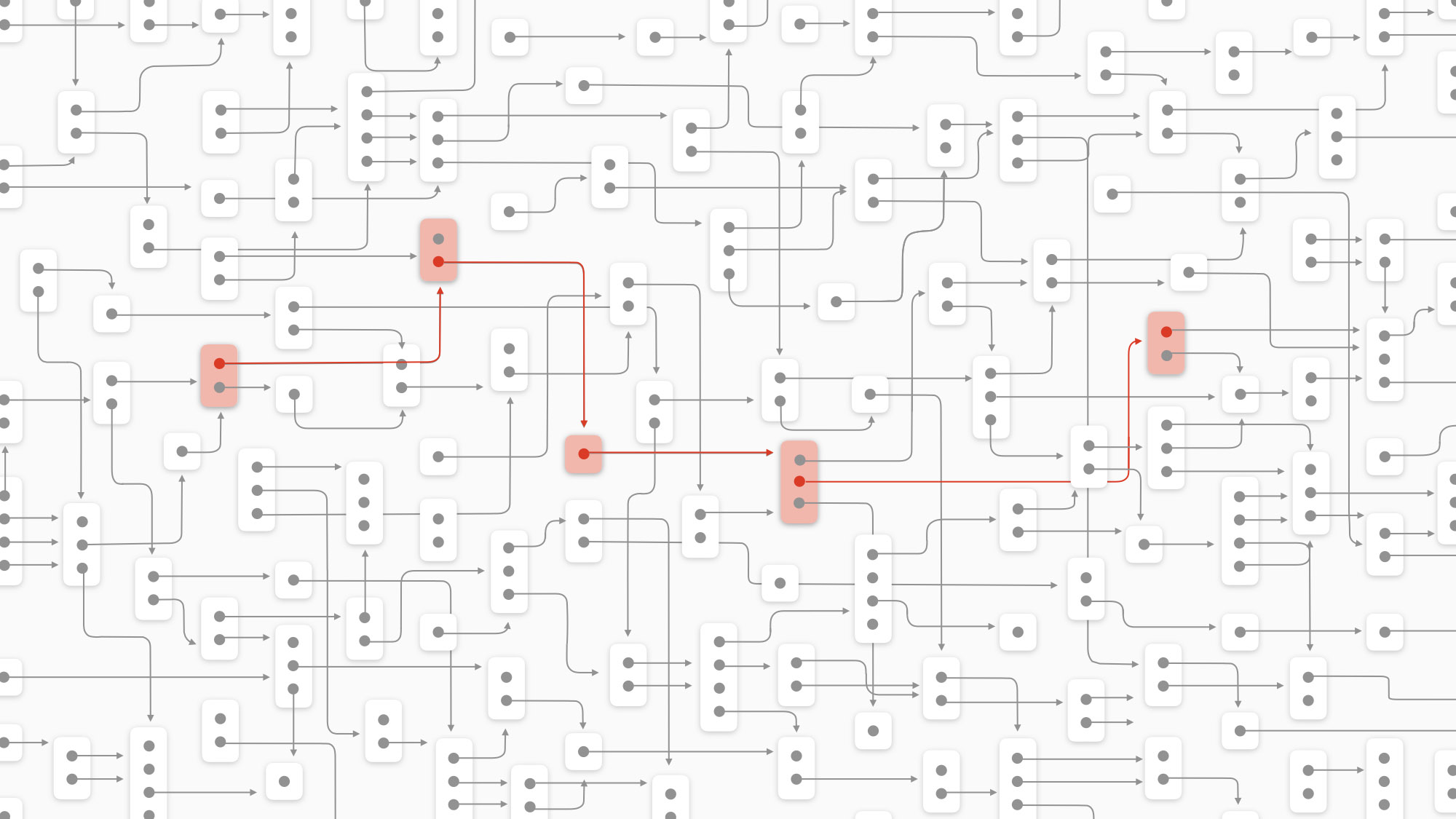
Zoncolan helps security engineers scale their work by using static analysis to examine code and detect security or privacy issues. Facebook’s web codebase currently contains more than 100 million lines of Hack code, and changes thousands of times per day. To handle the sheer volume of code, we build sophisticated systems that help our security engineers review code.

Today, we are sharing the details of one of those tools, called Zoncolan, for the first time. Zoncolan helps security engineers scale their work by using static analysis to automatically examine our code and detect potentially dangerous security or privacy issues. To handle the sheer volume of code, we build sophisticated systems that help our security engineers review code.

Source: fb.com
Tags :
Share :
comments powered by Disqus

Related Posts

CVE-2018-18264 Privilege escalation through Kubernetes dashboard

CVE-2018-18264 Privilege escalation through Kubernetes dashboard

A recently disclosed vulnerability in Kubernetes dashboard (CVE-2018-18264) exposes secrets to unauthenticated users. In this blog post we’ll explore some key takeaways regarding monitoring privilege escalation on Kubernetes. The Kubernetes dashboard is a web based user interface that allows users to manage applications and resources within the cluster.

Read More
Detecting the Kubernetes API server DoS vulnerability (CVE-2019-1002100).

Detecting the Kubernetes API server DoS vulnerability (CVE-2019-1002100).

Recently, a new Kubernetes related vulnerability was announced that affected the kube-apiserver. This was a denial of service vulnerability where authorized users with write permissions could overload the API server as it is handling requests. The issue is categorized as a medium severity (CVSS score of 6.5) and can be resolved by upgrading the kube-apiserver to v1.11.8, v1.12.6, or v1.13.4.

Read More