The Hateful Memes AI Challenge

The Hateful Memes AI Challenge

  • May 14, 2020
Table of Contents

The Hateful Memes AI Challenge

We’ve built and are now sharing a data set designed specifically to help AI researchers develop new systems to identify multimodal hate speech. This content combines different modalities, such as text and images, making it difficult for machines to understand. The Hateful Memes data set contains 10,000+ new multimodal examples created by Facebook AI.

We licensed images from Getty Images so that researchers can use the data set to support their work. We are also releasing the code for baseline-trained models. We are also launching the Hateful Memes Challenge, a first-of-its-kind online competition hosted by DrivenData with a $100,000 total prize pool.

The challenge has been accepted as part of the NeurIPS 2020 competition track.

Source: facebook.com

Tags :
Share :
comments powered by Disqus

Related Posts

A state-of-the-art open source chatbot

A state-of-the-art open source chatbot

Facebook AI has built and open-sourced Blender, the largest-ever open-domain chatbot. It outperforms others in terms of engagement and also feels more human, according to human evaluators. The culmination of years of research in conversational AI, this is the first chatbot to blend a diverse set of conversational skills — including empathy, knowledge, and personality — together in one system.

Read More
The Dark Secrets Of BERT

The Dark Secrets Of BERT

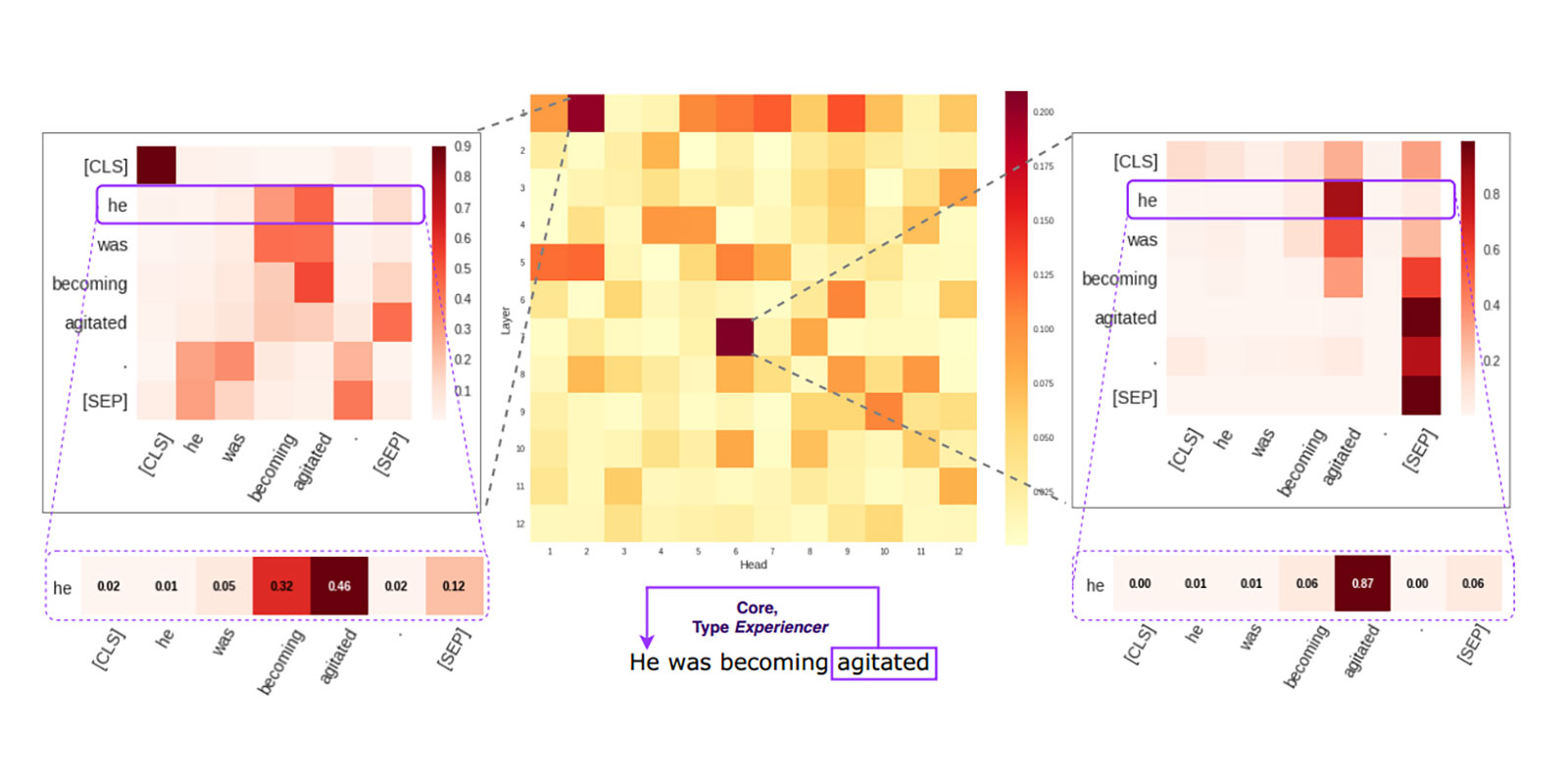
BERT stands for Bidirectional Encoder Representations from Transformers. This model is basically a multi-layer bidirectional Transformer encoder(Devlin, Chang, Lee, & Toutanova, 2019), and there are multiple excellent guides about how it works generally, includingthe Illustrated Transformer. What we focus on is one specific component of Transformer architecture known as self-attention.

Read More
A Hacker’s Guide to Efficiently Train Deep Learning Models

A Hacker’s Guide to Efficiently Train Deep Learning Models

Three months ago, I participated in a data science challenge that took place at my company. The goal was to help a marine researcher better identify whales based on the appearance of their flukes. More specifically, we were asked to predict for each image of a test set, the top 20 most similar images from the full database (train+test).

Read More