Designing Edge Gateway, Uber’s API Lifecycle Management Platform
Table of Contents
In October 2014, Uber had started its journey of scale in what would eventually turn out to be one of the most impressive growth phases in the company. Over time we were scaling our engineering teams non-linearly each month and acquiring millions of users across the world. In this article, we will go through the different phases of the evolution of Uber’s API gateway that powers Uber products.
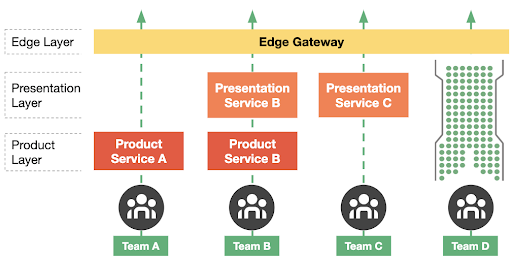
We will walk through history to understand the evolution of architectural patterns that occurred alongside this breakneck growth phase. We will speak of this evolution over three generations of the gateway systems, exploring their challenges and their responsibilities. A 2014 survey of Uber’s architecture would have resulted in two key services: dispatch and api.
The dispatch service was responsible for connecting a rider with a driver and the api service was our user and trip’s long term store. Besides these there were a single digit number of microservices that supported the critical flows on our consumer app.
Source: uber.com