Network of fortified towns indicates Amazon was once heavily populated

Network of fortified towns indicates Amazon was once heavily populated

  • March 31, 2018
Table of Contents

Network of fortified towns indicates Amazon was once heavily populated

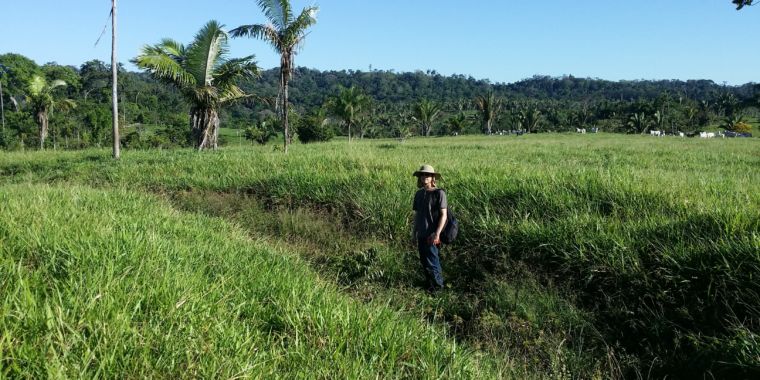
Today we think of the Amazon as a pristine rainforest, sparsely populated by indigenous communities. But in records from the 1500s, Spanish colonizers describe a densely populated region, crisscrossed by canals and sunken roads and dotted with bustling, fortified towns. Unfortunately, fortification couldn’t protect the towns’ inhabitants against European diseases, which devastated South American indigenous populations and left the fortified villages abandoned.

Source: arstechnica.com
Tags :
Share :
comments powered by Disqus

Related Posts

How Leo and Gertrude Stein Revolutionized the Art World

How Leo and Gertrude Stein Revolutionized the Art World

If Picasso and Matisse were rivals from almost the first moment each knew of the other’s existence, the contest was driven as much by those cheering from the sidelines as by their own considerable egos. It was Montmartre versus the Latin Quarter, the bande à Picasso versusthe Fauves, the dark voodoo of the Spaniard versus the Apollonian grace of the Frenchman. For the most part the competition was respectful, but it could occasionally devolve into childish stunts.

Read More
Digitising books as objects: The invisible made visible

Digitising books as objects: The invisible made visible

Technology has improved immensely since then and a lot of ‘ink’ has been spread across physical and virtual pages about the remit, the limitations and the advantages of what is offered to the public through the surrogates uploaded onto countless web portals. This piece is just another little drop into this ocean of ink to share some considerations built upon experience and from the perspective of a book conservator who sees, because of his professional background, the limitations of this, but also the exciting challenges to overcome them.

Read More