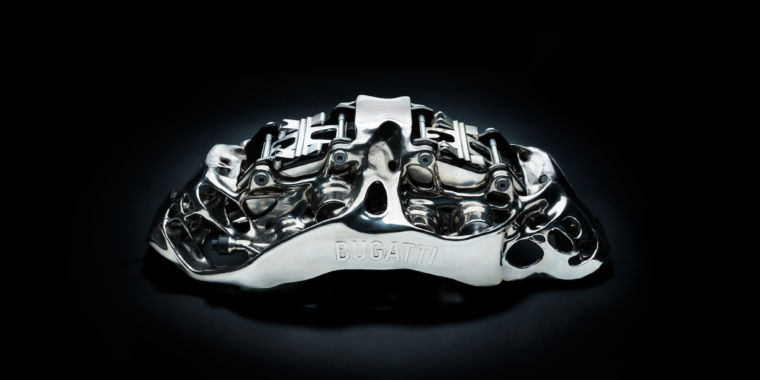

Mice with 3D-Printed Ovaries Successfully Give Birth
AsKatherine Kornei at Science reports,the researchers used a 3D printer to build the scaffolding of the organs, weaving layers of gelatin to createtiny (15 x 15 millimeter) ovaries on glass slides. They then tested the scaffolds by embedding a follicle—the tiny sacs composed of hormone-secreting cells that containthe maturing eggs. This test suggested that the tightest weave supported the highest survival rates, reports Kornei.
Read More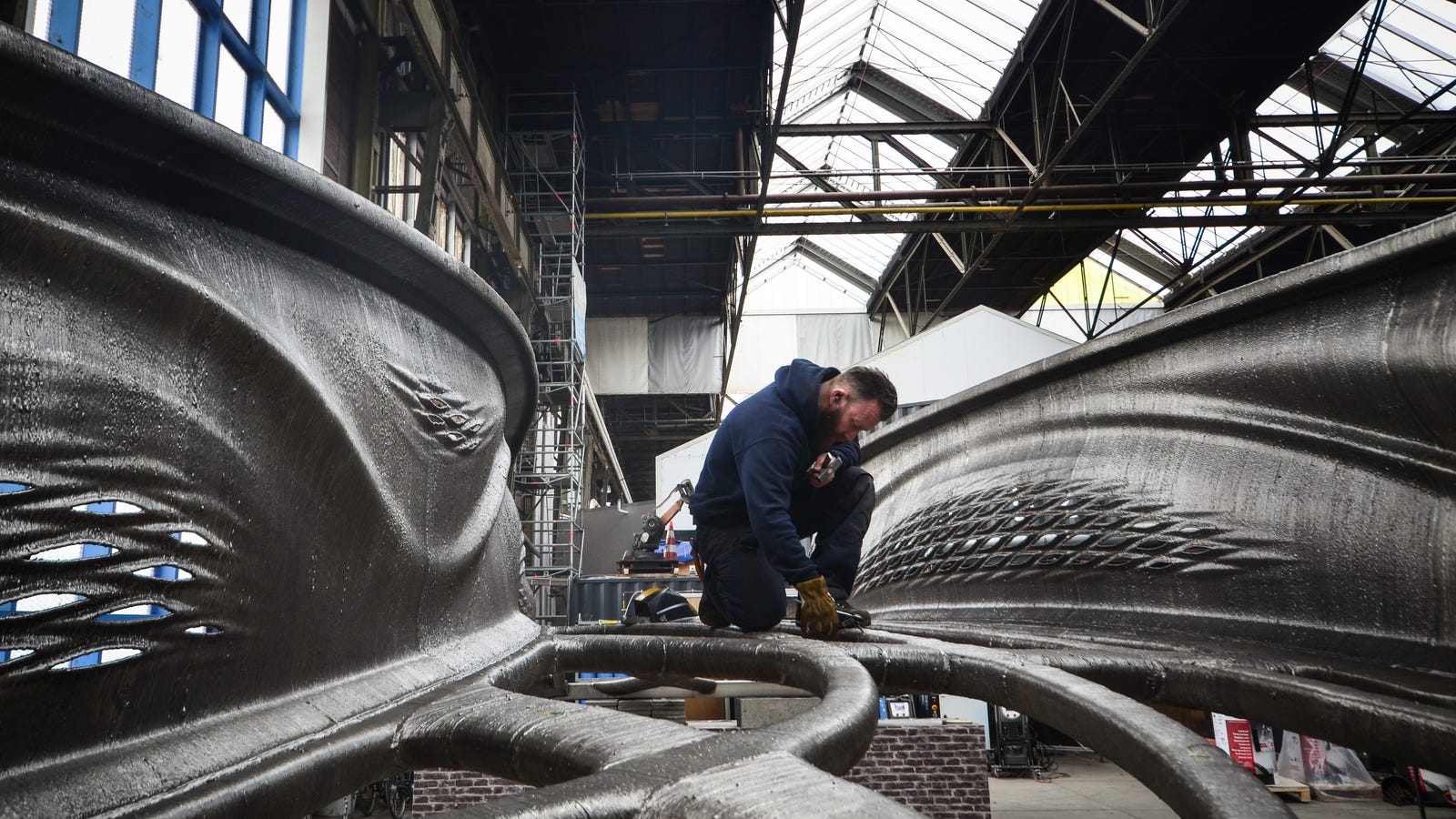
The First 3D-Printed Steel Bridge
The plan to 3D-print a bridge in mid-air was always bonkers. How could a technology best known for creating flimsy prototypes and personalized action figures be used for permanent construction projects? Well, the team at MX3D in Amsterdam just answered all of the hard questions and revealed it: the world’s first 3D-printed bridge.
Read More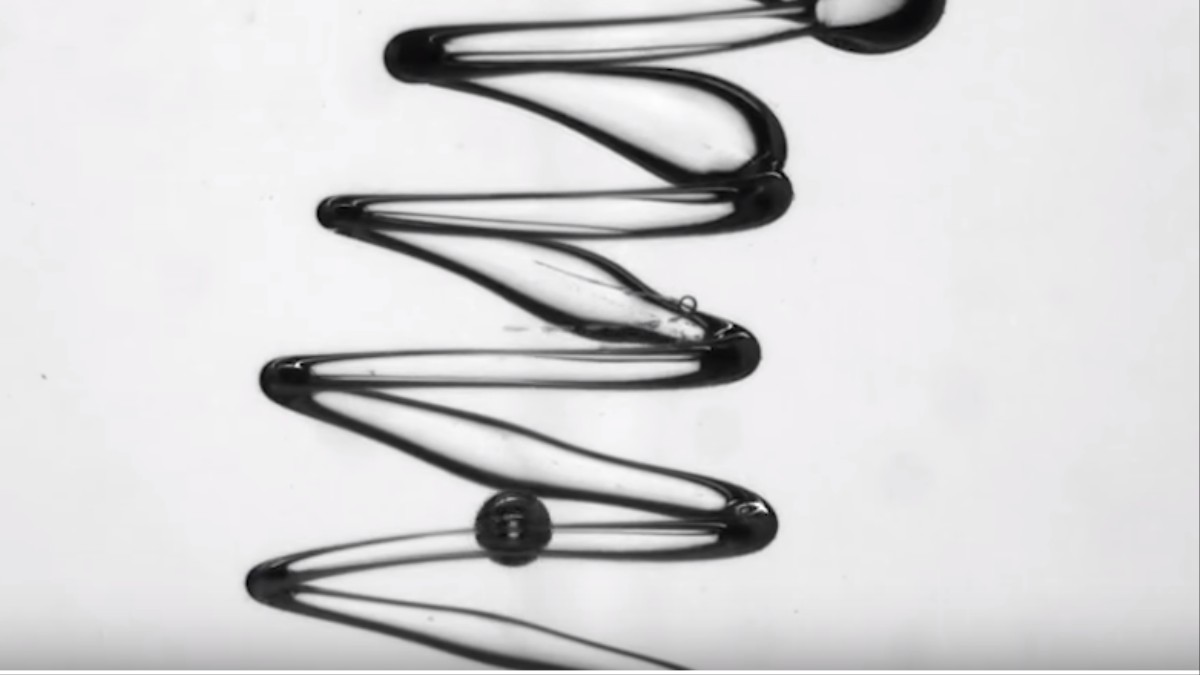

Berkeley Lab Scientists Print All-Liquid 3-D Structures
Scientists from the Department of Energy’s Lawrence Berkeley National Laboratory (Berkeley Lab) have developed a way to print 3-D structures composed entirely of liquids. Using a modified 3-D printer, they injected threads of water into silicone oil — sculpting tubes made of one liquid within another liquid.
Read More