Short Circuit: The High Cost of Electric Vehicle Subsidies
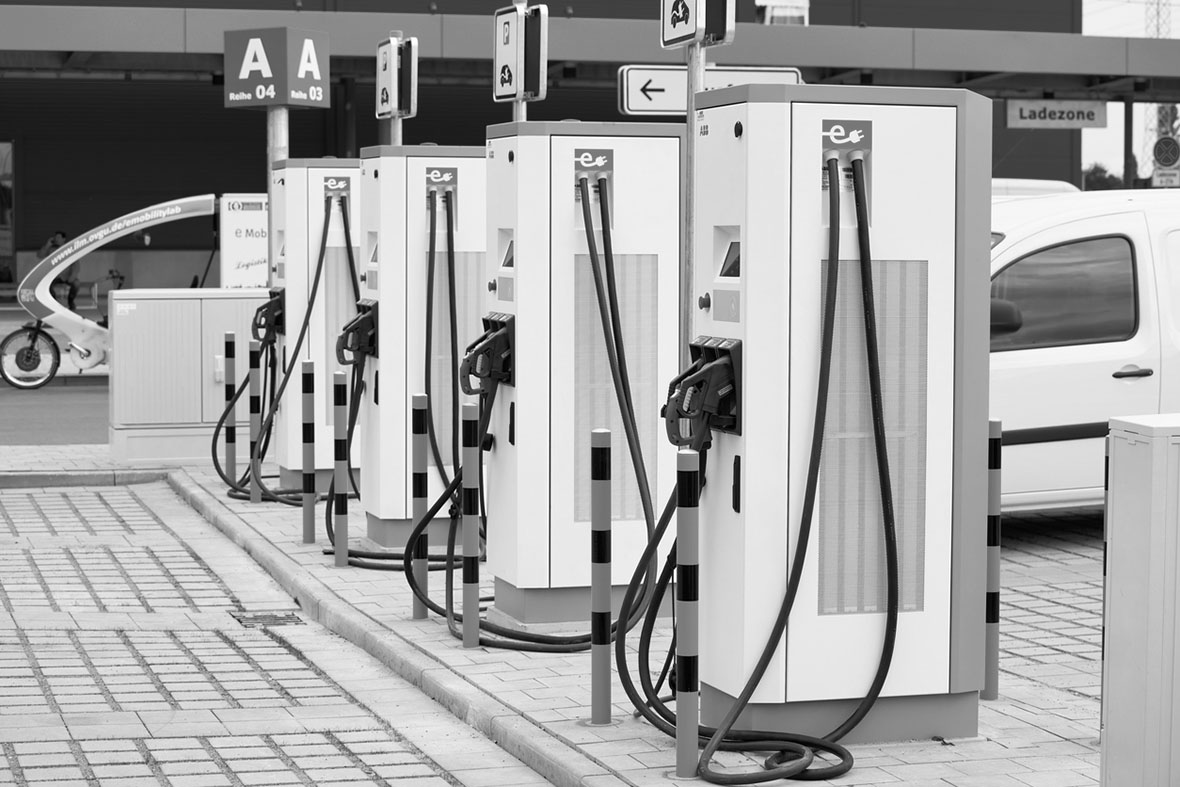
Many claim that “zero-emissions vehicles” (ZEVs), especially battery-powered electric vehicles, should replace most, if not all, cars and trucks powered by gasoline-burning internal combustion engines. The primary rationale is to reduce air pollution and carbon dioxide (CO2) emissions. To effect this change, governments are spending billions of dollars to subsidize electric vehicles.
Read More
Smartphones Are Killing the Planet Faster Than Anyone Expected
A new study from researchers at McMaster University published in the Journal of Cleaner Production analyzed the carbon impact of the whole Information and Communication Industry (ICT) from around 2010-2020, including PCs, laptops, monitors, smartphones, and servers. They found remarkably bad news. Even as the world shifts away from giant tower PCs toward tiny, energy-sipping phones, the overall environmental impact of technology is only getting worse.
Read More
A “major breakthrough” in diesel technology significantly reduces emissions
Bosch has claimed that it has made a major breakthrough in diesel technology, which could put an end to the ‘death of diesel’ debate. The new technology promises to reduce nitrogen oxide emissions to ‘unprecedented’ levels in diesel cars. According to the technology firm, the technology will enable vehicle manufacturers to reduce emissions of nitrogen oxides (NOx) so drastically that they will comply with future limits, without the need for any additional technology.
Read More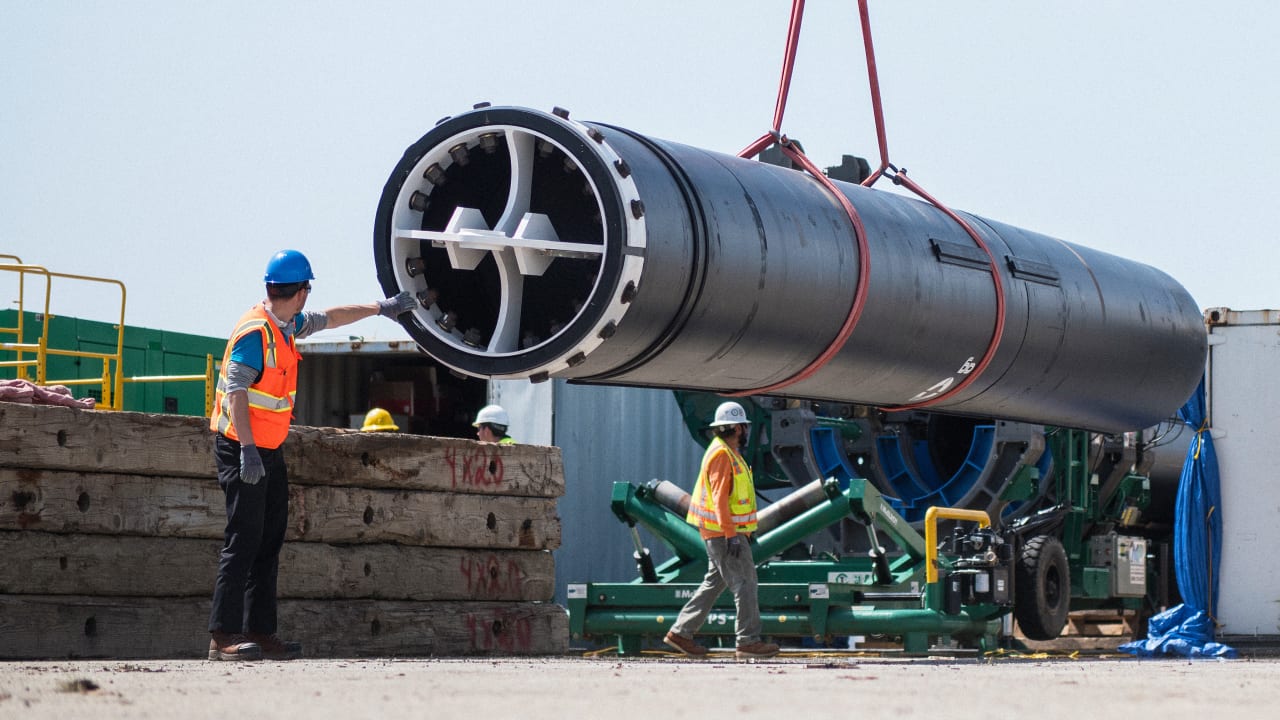
The Ocean Cleanup’s Machine Is About to Set Sail
Six years ago, the technology was only an idea presented at a TEDx talk. Boyan Slat, the 18-year-old presenter, had learned that cleaning up the tiny particles of plastic in the ocean could take nearly 80,000 years. Because of the volume of plastic spread through the water, and because it is constantly moving with currents, trying to chase it with nets would be a losing proposition.
Read More
Some of the World’s Biggest Lakes Are Drying Up
We were driving on the lake bottom, yet we were more than 12,000 feet above sea level. The spring air was lip-chapping dry. Many of the fishing villages that have relied on Lake Poopó for thousands of years have emptied too, and we drove past clusters of abandoned adobe homes.
Read More