
Linux developers threaten to pull “kill switch”
Linux developers threaten to pull “kill switch” Most of the internet could be affected as Linux devs threaten to revoke entire histories of code commits in response to CoC controversy. Linux powers the internet, the Android in your pocket, and perhaps even some of your household appliances. A controversy over politics is now seeing some of its developers threatening to withdraw the license to all of their code, potentially destroying or making the whole Linux kernel unusable for a very long time.
Read More
Multi-Cloud Is a Trap
It comes up in a lot of conversations with clients. We want to be cloud-agnostic. We need to avoid vendor lock-in.
Read More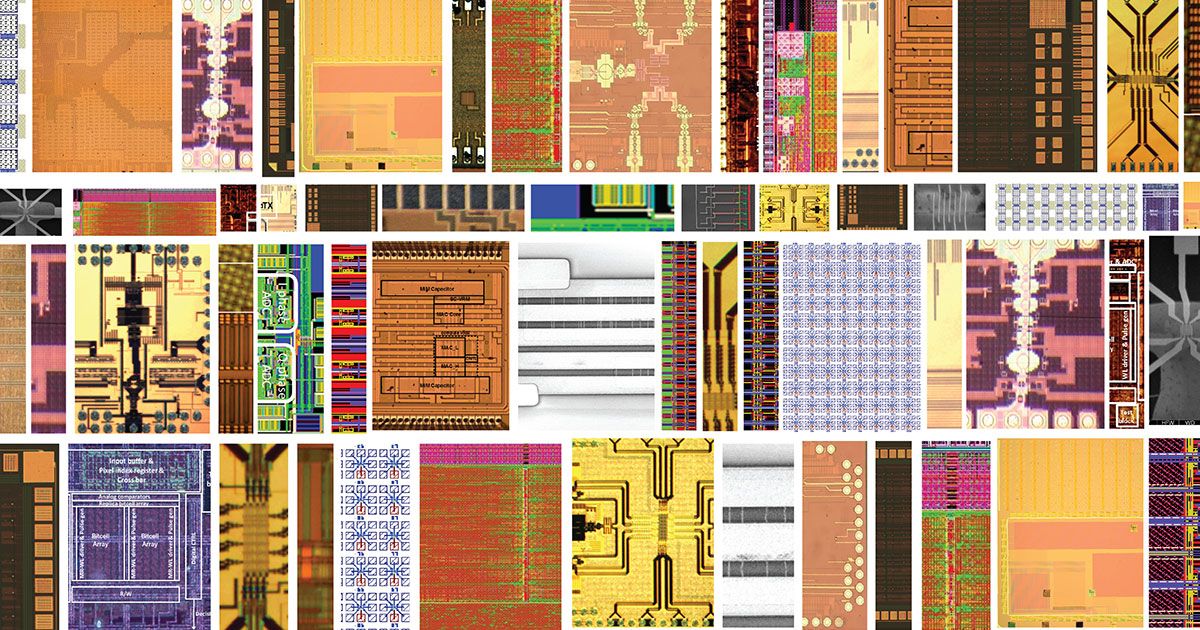
DARPA Plans a Major Remake of U.S. Electronics
The U.S.Defense Advanced Research Projects Agency is launching a huge expansion of its Electronics Resurgence Initiative, boosting the program to US $1.5 billion over five years. And while some of the research efforts will be just what you’ve come to expect from the agency that brought you disposable drones, self-driving cars, and cameras that can see around corners, a lot of this new money is going toward ideas that could fundamentally change how chips are designed.
Read More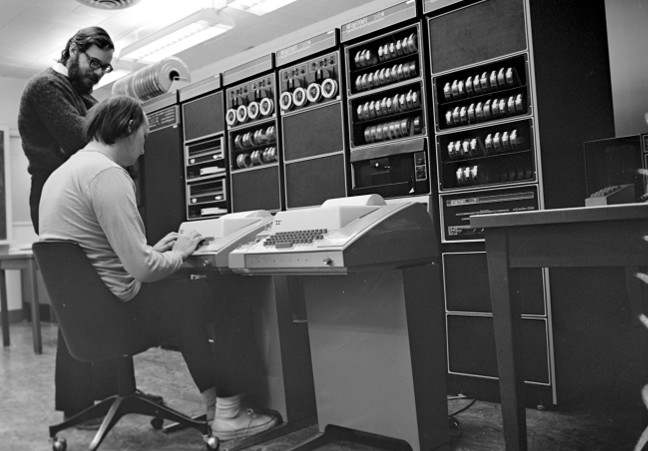
Brian Kernighan Remembers the Origins of ‘grep’
This month saw the release of a fascinating oral history, in which 76-year-old Brian Kernighan remembers the origins of the Unix command grep. Kernighan is already a legend in the world of Unix— recognized as the man who coined the term Unix back in 1970. His last initial also became the “k” in awk — and the “K” when people cite the iconic 1978 “K&R book” about C programming.
Read More
Engineered Band Gap Pushes Graphene Closer to Displacing Silicon
A new method for engineering a band gap into graphene maintains its attractive electronic properties Graphene might bethe best conductor of electrons we know. However, as a pure conductor it can’t stop the flow of electrons like a semiconductor such as siliconcan. Silicon’s ability to create an on/off state for the flow of electrons makes it possible to create the “0” and “1” of binary digital logic for computing.
Read More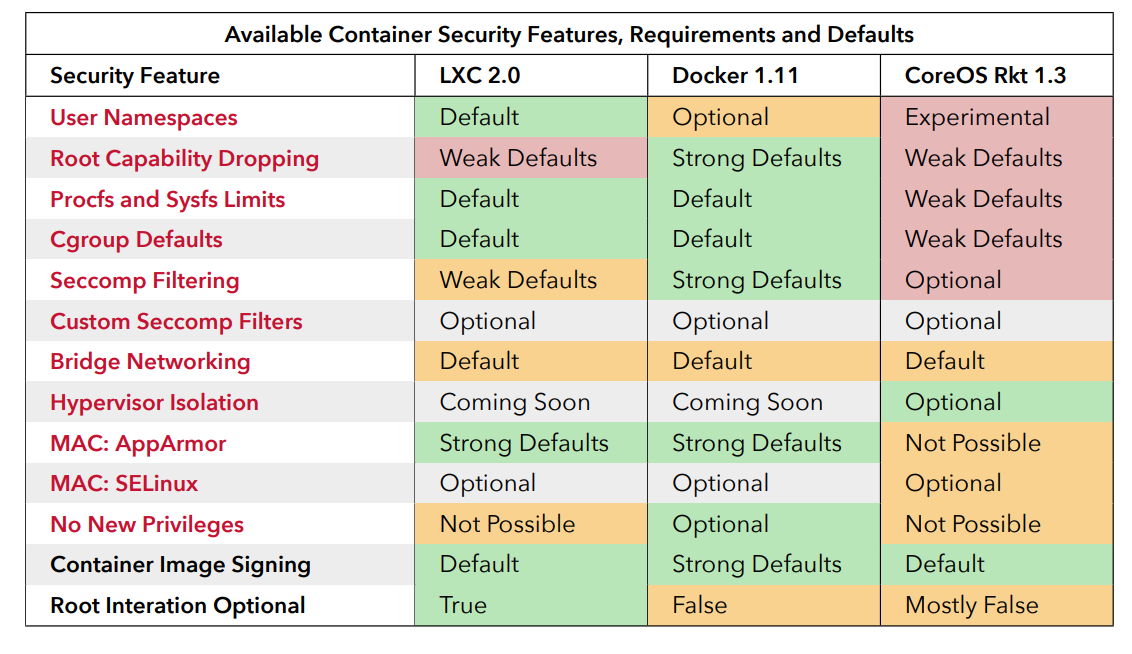
Containers, Security and Echo chambers
There seems to be some confusion around sandboxing containers as of late, mostly because of the recent launch of gvisor. Before I get into the body of this post I would like to make one thing clear. I have no problem with gvisor itself.
Read More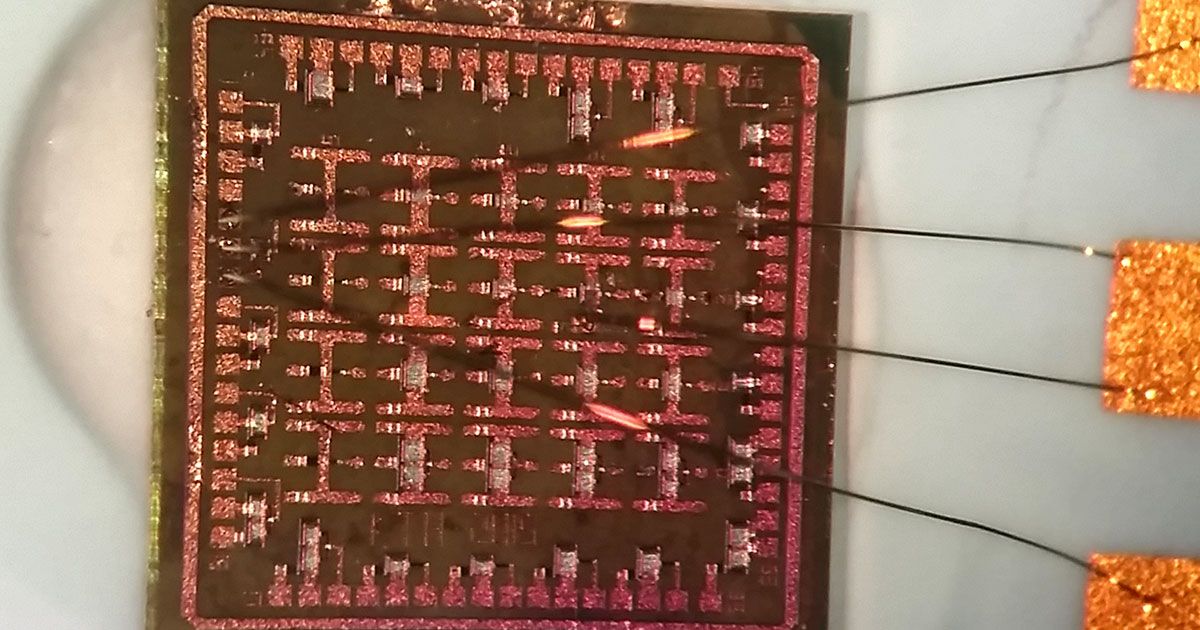
Making Radio Chips for Hell
Mixer IC works at 500 degrees Celsius, so it can take the heat on the surface of Venus, inside a natural gas turbine, or in the bowels of a 6-kilometer deep oil well. There are still some places the Internet of Things fears to tread. Researchers at the University of Arkansas and the KTH Royal Institute of Technology, in Sweden, are building a radio for those places.
Read More
Gardener: Manage Kubernetes clusters across multiple cloud providers
Many Open Source tools exist which help in creating and updating single Kubernetes clusters. However, the more clusters you need the harder it becomes to operate, monitor, manage and keep all of them alive and up-to-date. And that is exactly what project Gardener focuses on.
Read More
How much of the Internet is using QUIC?
It’s been five years since Google launched QUIC — a new transport protocol that is deployed on the shoulders of UDP in user space. QUIC offers similar properties as TCP + TLS 1.3 but promises to incorporate new features more easily and without them being dropped by legacy systems that don’t support them, for example, middleboxes that block new TCP features — a problem that TCP has faced since its initial deployment. QUIC tackles the problem by offering a fully encrypted transport protocol, thereby removing the possibility for middleboxes to alter its content.
Read More


Biology Will Be the Next Great Computing Platform
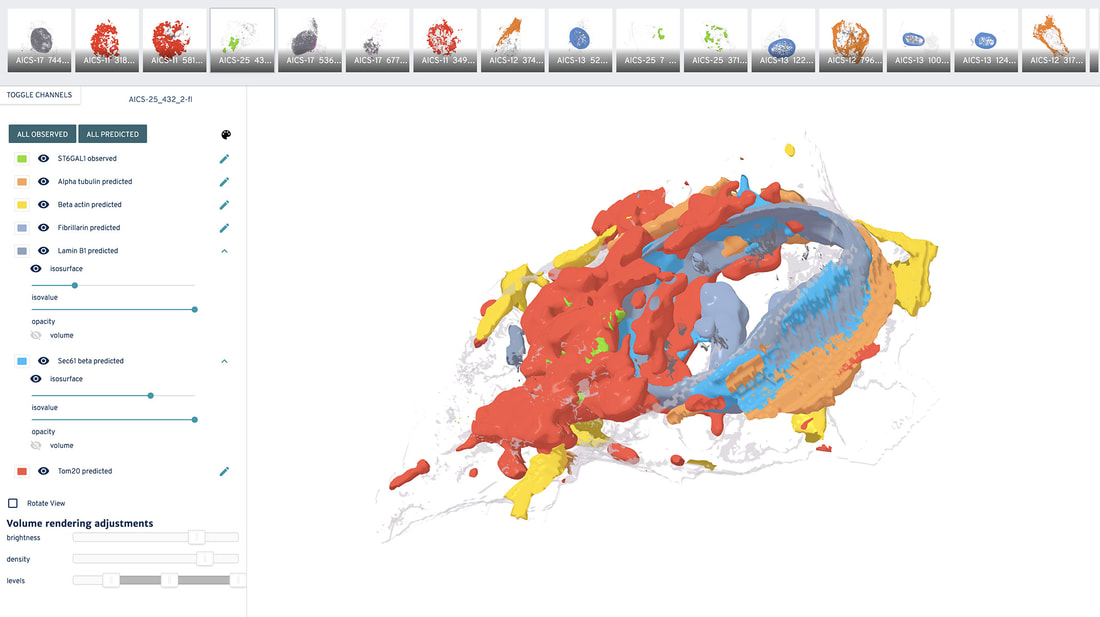
Crispr, the powerful gene-editing tool, is revolutionizing the speed and scope with which scientists can modify the DNA of organisms, including human cells. So many people want to use it—from academic researchers to agtech companies to biopharma firms—that new companies are popping up to staunch the demand. Companies like Synthego, which is using a combination of software engineering and hardware automation to become the Amazon of genome engineering.
Read More


Photonic communication comes to computer chips
Startup’s optoelectronic chips could reduce energy usage by up to 50 percent in data centers while increasing computing speeds.
Read More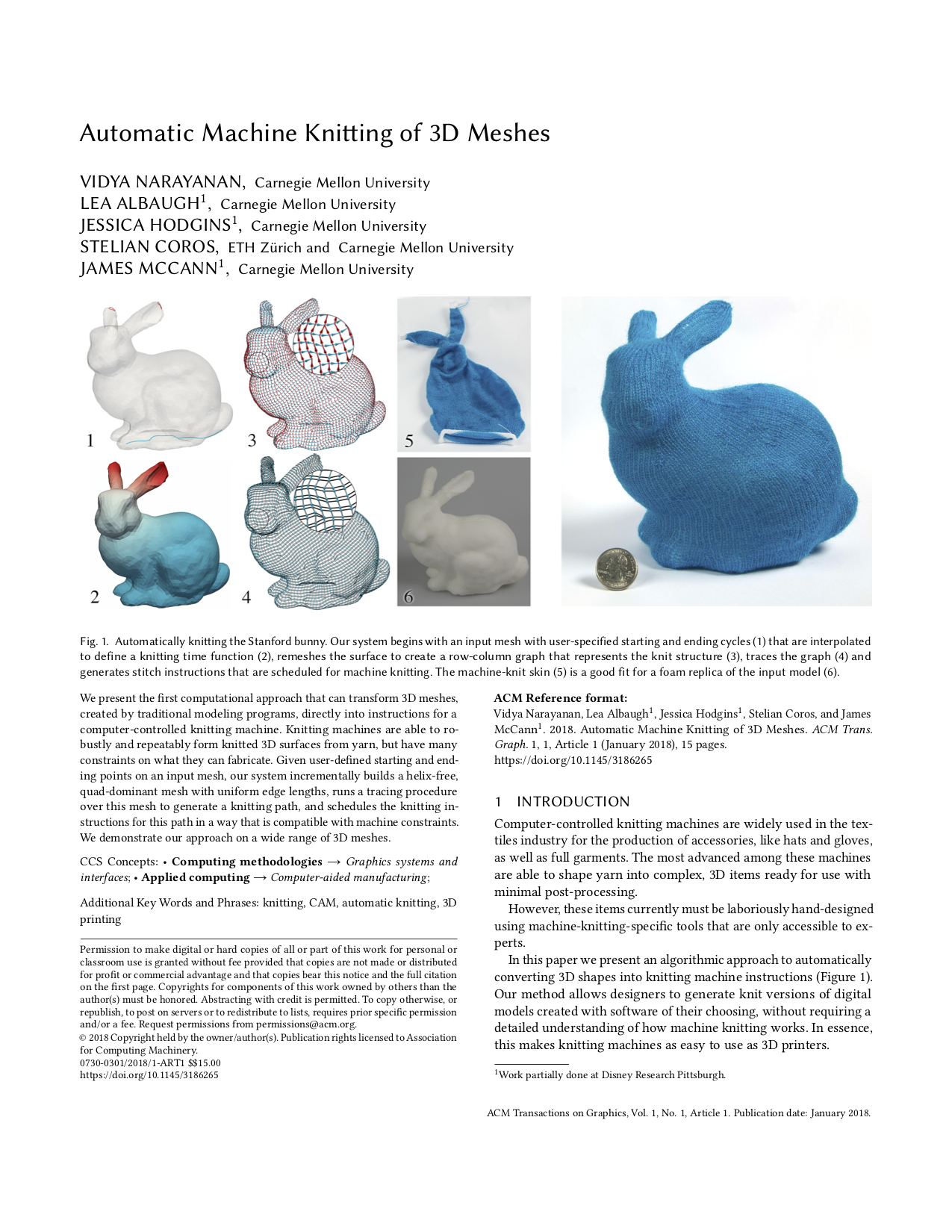
Automatic Machine Knitting of 3D Meshes
We present the first computational approach that can transform 3D meshes, created by traditional modeling programs, directly into instructions for a computer-controlled knitting machine. Knitting machines are able to robustly and repeatably form knitted 3D surfaces from yarn, but have many constraints on what they can fabricate.
Read More
Google Unveils 72-Qubit Quantum Computer With Low Error Rates
If a quantum processor can be operated with low enough error, it would be able to outperform a classical supercomputer on a well-defined computer science problem, an achievement known as quantum supremacy. These random circuits must be large in both number of qubits as well as computational length (depth). Although no one has achieved this goal yet, we calculate quantum supremacy can be comfortably demonstrated with 49 qubits, a circuit depth exceeding 40, and a two-qubit error below 0.5%.
Read More