
Cost Engineering at Spotify
Like many of those in tech, we invest heavily in our cloud and data infrastructure. While seemingly routine, the ability to manage and scale our infrastructure to support our 299+ million listeners worldwide, 24/7, without missing a beat (or syllable) is crucial for the business and our brand. On top of that, our infrastructure teams are resolute when it comes to upholding a highly valued cultural goal: enabling our autonomous engineering teams (called squads) to work as freely and quickly as they possibly can.
Read More
The Future of League’s Engine
Hiya folks, Brian ‘Penrif’ Bossé, your local friendly Tech Lead of League here. I’m taking some time in between matches of TFT to wax philosophic about game engines and how we on League make decisions around what direction to take our custom game engine. Join me on a moderately long look at one dimension of game engine design, where League currently exists on that dimension, and where we’re taking the game from there.
Read More

Reimagining Experimentation Analysis at Netflix
Another day, another custom script to analyze an A/B test. Maybe you’ve done this before and have an old script lying around. If it’s new, it’s probably going to take some time to set up, right?
Read More


Evolution of Netflix Conductor
Conductor is a workflow orchestration engine developed and open-sourced by Netflix. If you’re new to Conductor, this earlier blogpost and the documentation should help you get started and acclimatized to Conductor. In the last two years since inception, Conductor has seen wide adoption and is instrumental in running numerous core workflows at Netflix.
Read More
Supercharging Data Delivery: The New League Patcher
For the past 8 years, League has been using a patching system called RADS (Riot Application Distribution System) to deliver updates. RADS is a custom patching solution based on binary deltas that we built with League in mind. While RADS has served us well, we felt we had an opportunity to improve some key areas of the patching experience.
Read More
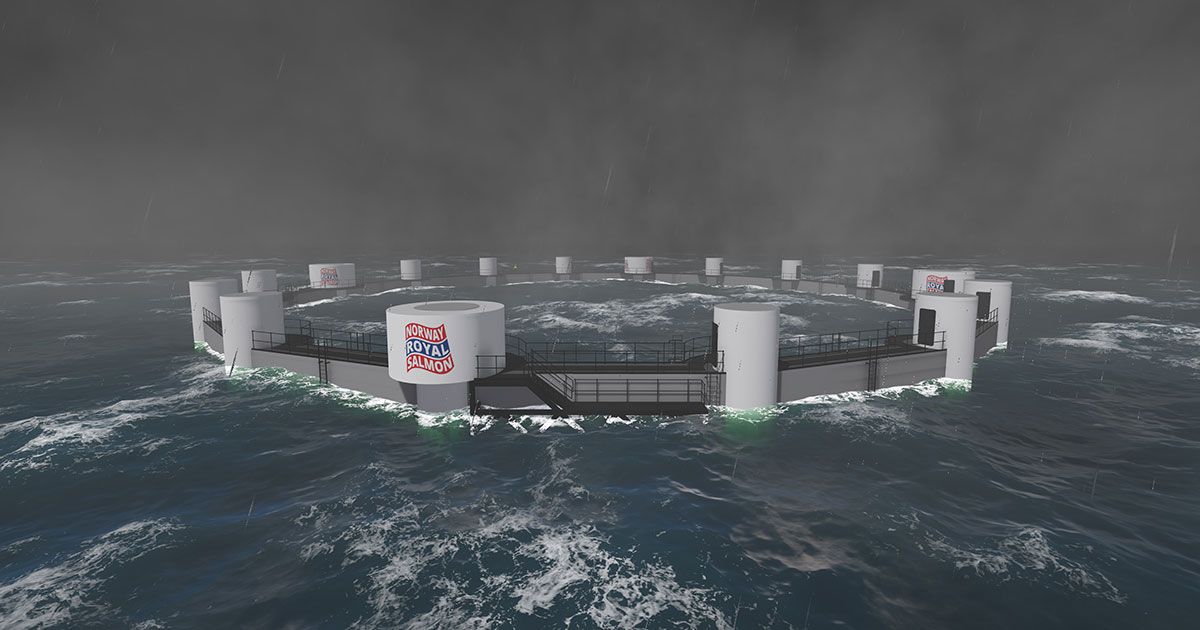
Remote-controlled Salmon Farms to Operate Off Norway by 2020
Tucked within Norway’s fjord-riddled coast, nearly 3,500 fish pens corral upwards of 400 million salmon and trout. Not only does the country raise and ship more salmonoid overseas than any other in the world (1.1 million tons in 2018), farmed salmon is Norway’s third largest export behind crude petroleum and natural gas. In a global industry expected to quintuple by 2050, farmed salmon is a fine kettle of fish.
Read More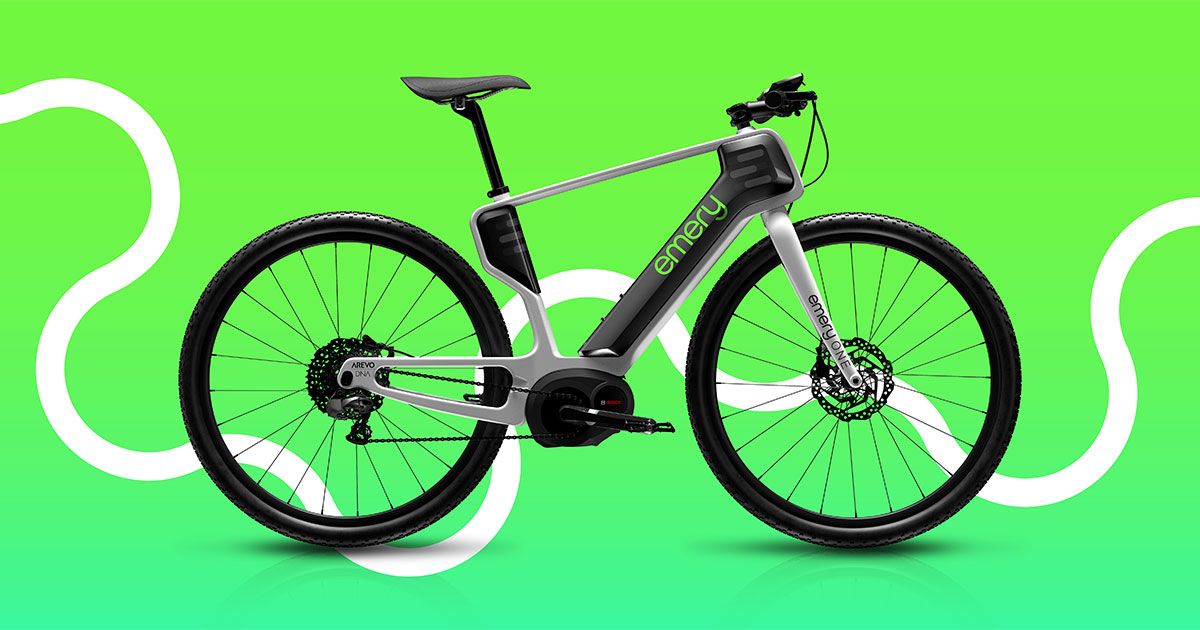
First the E-Bike, Next the Flying Car
Carbon fiber composites areincredibly strong for their weight; that’s why they’re key to the newest aircraft designs. However, they’re only strong in one direction, so they’re generally layered or woven in grid patterns before being shaped into structures. That means one set of fibers carries the load some of the time, and another set carries it atother times—which is not the most efficient use of the material.
Read MoreRe-Architecting the Video Gatekeeper
This is the story about how the Content Setup Engineering team used Hollow, a Netflix OSS technology, to re-architect and simplify an essential component in our content pipeline — delivering a large amount of business value in the process. Each movie and show on the Netflix service is carefully curated to ensure an optimal viewing experience. The team responsible for this curation is Title Operations.
Read More