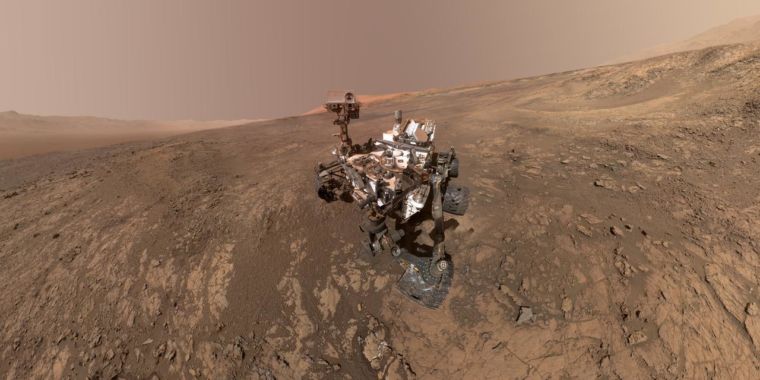
Finally, scientists have found intriguing organic molecules on Mars
After more than four decades of searching for organic molecules on the surface of Mars, scientists have conclusively found them in mudstones on the lower slopes of Mount Sharp. A variety of organic compounds were discovered by NASA’s Curiosity rover, which heated the Martian rocks to 500° Celsius to release the chemicals. The finding is significant—for life to have ever existed on Mars there would almost certainly need to be organic molecules to get it started; they’re the basic building blocks of life as we know it.
Read More
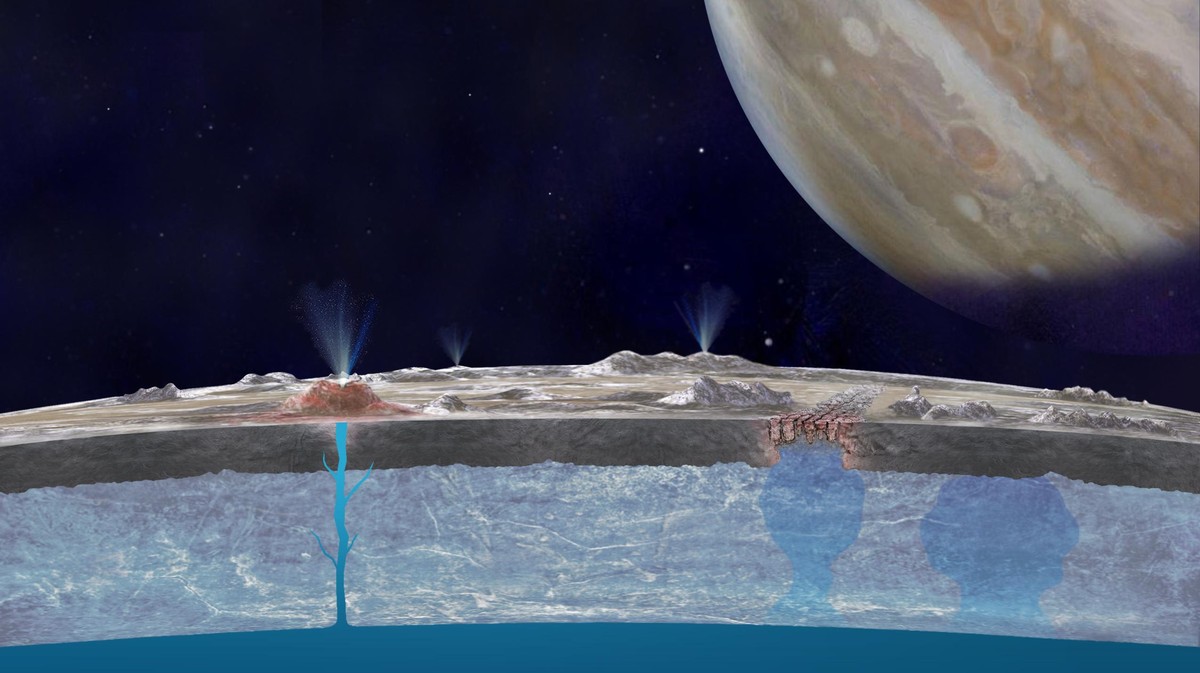


Watch These Trippy NASA Visualizations of Space Magnetism
Earth is a giant magnet, and the field that surrounds it, called the magnetosphere, is one of the major reasons life on our planet has been able to flourish. But despite its crucial role in warding off cosmic radiation and atmospheric loss, there’s a lot we don’t know about the magnetosphere. That’s why in March 2015, NASA launched the Magnetospheric Multiscale Mission (MMS), a fleet of four spacecraft, to study its secrets.
Read More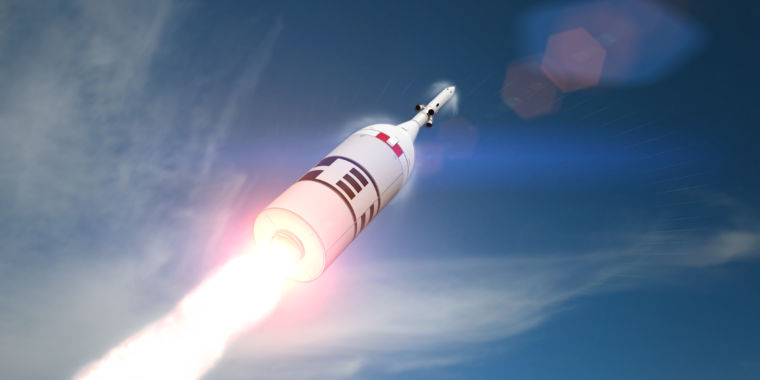
NASA’s Orion spacecraft getting closer to finally flying again
It has been a long three-and-a-half years since the Orion spacecraft first launched into space in December 2014, making a successful shake-out flight. But now, NASA’s program aimed at building a large, deep-space capsule capable of sending astronauts to and from lunar orbit is finally ramping back up toward a series of test flights. In less than a year, a boilerplate model of the Orion spacecraft will be jettisoned from its rocket at 55 seconds after liftoff, to test the vehicle’s launch abort system.
Read More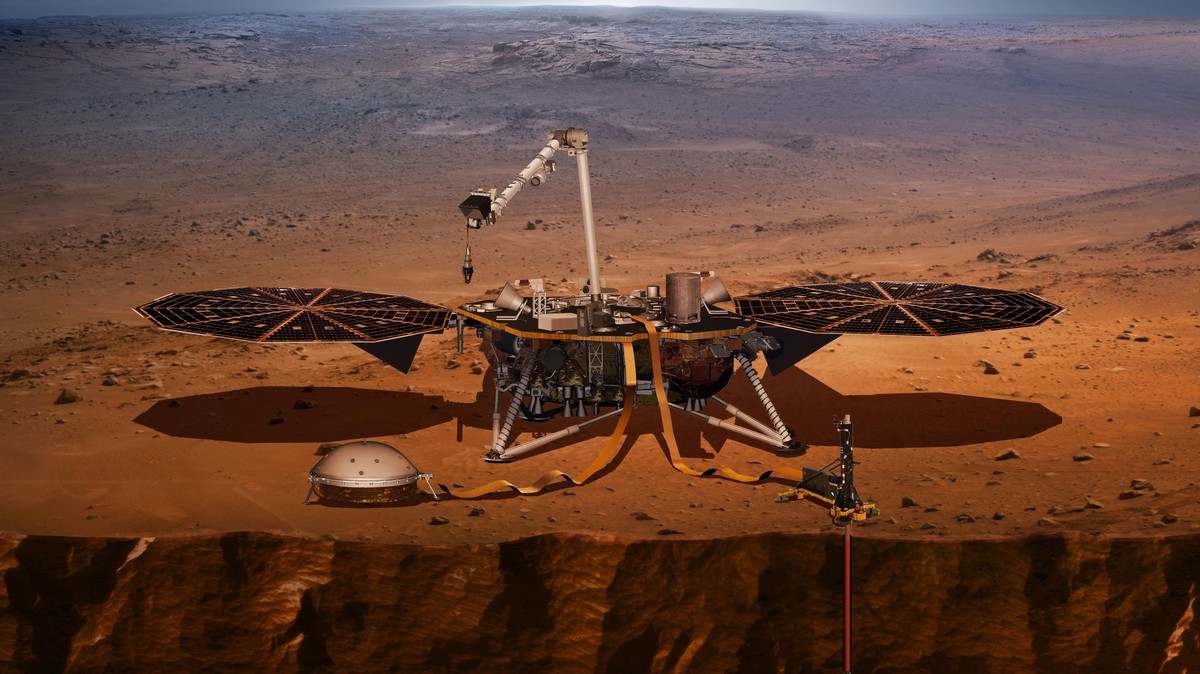
NASA’s Launching a Lander That Will Dig on Mars
InSight will accomplish this feat with its Heat Flow and Physical Properties Package (HP3), nicknamed “the mole” because it can burrow through regolith (the loose rocky surface layer on Mars and many other terrestrial planets). The instrument consists of a tube with a spring-loaded mechanism that will hammer out a hole in half-meter increments. Every 50 centimeters, it will stop for several hours or days to take thermal measurements and cool down from the frictional and operational heat generated by the dig process.
Read More
NASA Hires Lockheed Martin to Build Quiet Supersonic X-Plane
The space agency announced today (April 2) that it has awarded the aerospace company Lockheed Martina $247.5 million contract to design and build a new X-plane, known as the Low-Boom Flight Demonstrator (LBFD), which may soar silently over the U.S. by 2022.
Read More