
Human blood cells transformed into functional neurons
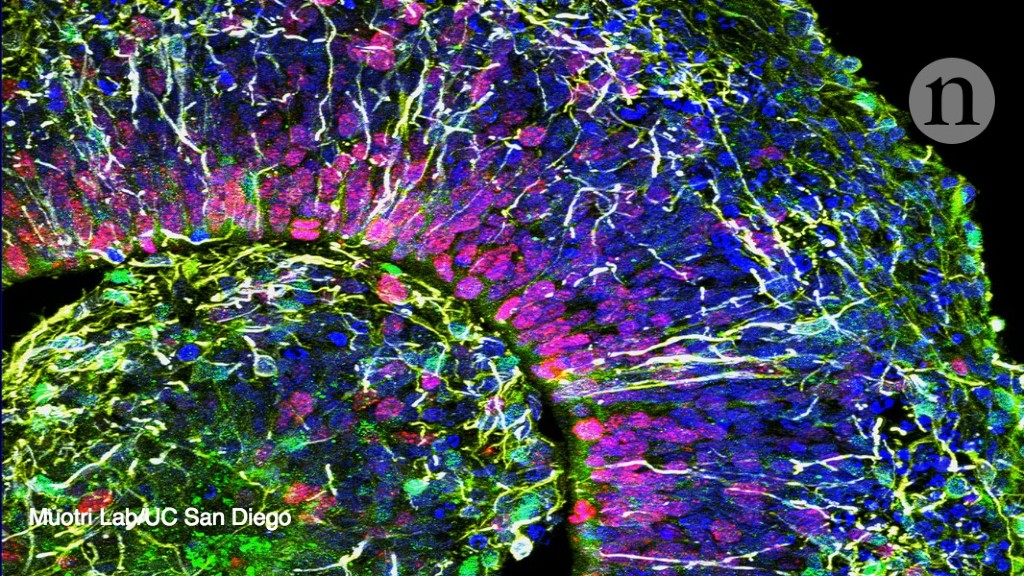
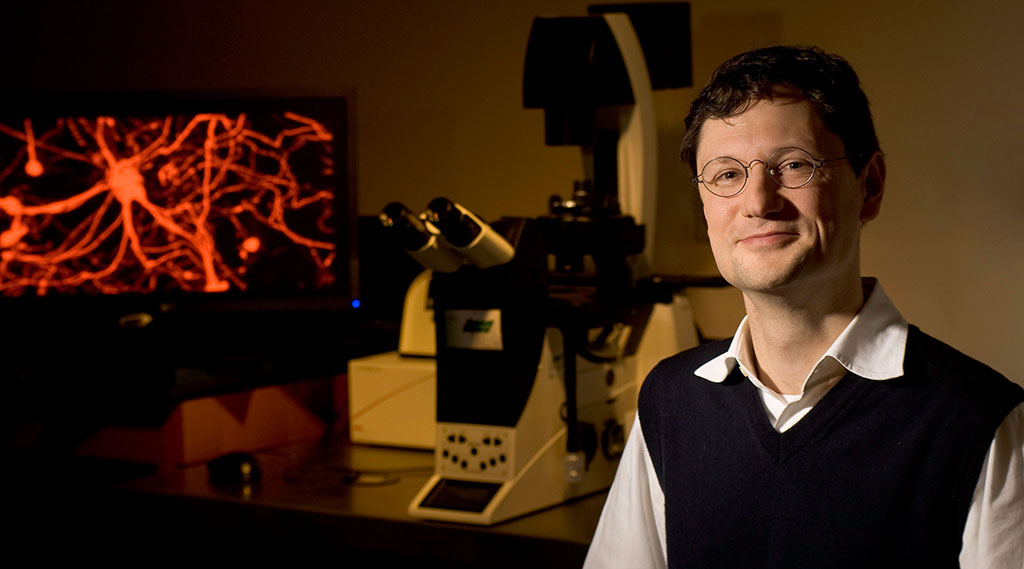
Human immune cells in blood can be converted directly into functional neurons in the laboratory in about three weeks with the addition of just four proteins, researchers at the Stanford University School of Medicine have found. The conversion occurs with relatively high efficiency — generating as many as 50,000 neurons from 1 milliliter of blood — and it can be achieved with fresh or previously frozen and stored blood samples, which vastly enhances opportunities for the study of neurological disorders such as schizophrenia and autism. A paper describing the findings was published online June 4 in the Proceedings of the National Academy of Sciences.
Read More
An Ancient Virus May Be Responsible for Human Consciousness
You’ve got an ancient virus in your brain. In fact, you’ve got an ancient virus at the very root of your conscious thought. According to two papers published in the journal Cell in January, long ago, a virus bound its genetic code to the genome of four-limbed animals.
Read More
How Brain Waves Surf Sound Waves to Process Speech
When people listen to speech, their ears translate the sound waves into neural signals that are then processed and interpreted by various parts of the brain, starting with the auditory cortex. Years of neurophysiological studies have observed that the waves of neural activity in the auditory cortex lock onto the audio signal’s “envelope”—essentially, the frequency with which the loudness changes. (As Poeppel put it, “The brain waves surf on the sound waves.”
Read More
AI trained to navigate develops brain-like location tracking
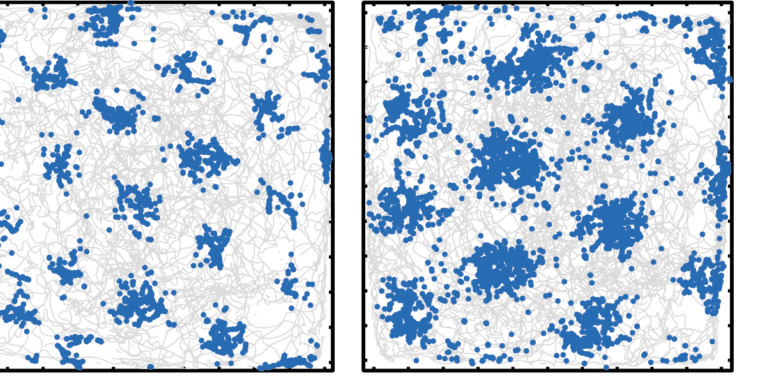
Now that DeepMind has solved Go, the company is applying DeepMind to navigation. Navigation relies on knowing where you are in space relative to your surroundings and continually updating that knowledge as you move. DeepMind scientists trained neural networks to navigate like this in a square arena, mimicking the paths that foraging rats took as they explored the space.
Read More
Artificial Neural Nets Grow Brainlike Navigation Cells
Having the sense to take a shortcut, the most direct route from point A to point B, doesn’t sound like a very impressive test of intelligence. Yet according to a new report appearing today in Nature, in which researchers describe the performance of their new navigational artificial intelligence, the system’s ability to explore complex simulated environments and find the shortest route to a goal put it in a class previously reserved for humans and other living things. The surprising key to the system’s performance was that while learning how to navigate, the neural net spontaneously developed the equivalent of “grid cells,” sets of brain cells that enable at least some mammals to track their location in space.
Read More

How mirror neurons affect the experience of fandom
You won’t have seen it on the podium, but the human brain’s mirror neuron system could have medaled at this year’s Olympic Games, or basically any sporting event with an audience. The mirror neuron system is a network of neurons that activates both when you watch someone do something and when you do it yourself, and it turns out to be an important part of the subjective experience of being a fan.
Read More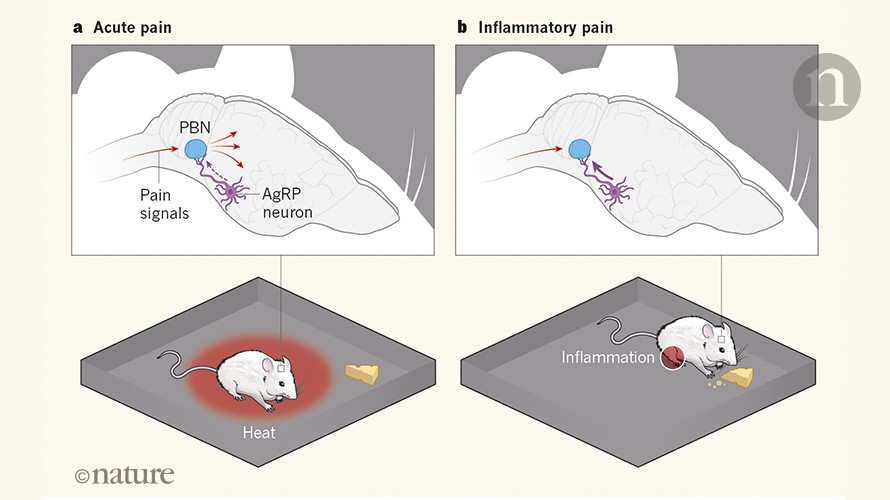
Hunger Is a Gatekeeper of Pain in the Brain
A neuronal population has now been found that regulates two competing needs — hunger and pain. Urgent pain overrides hunger, but appetite-inducing neuronal activity dampens long-term pain responses to enable feeding.
Read More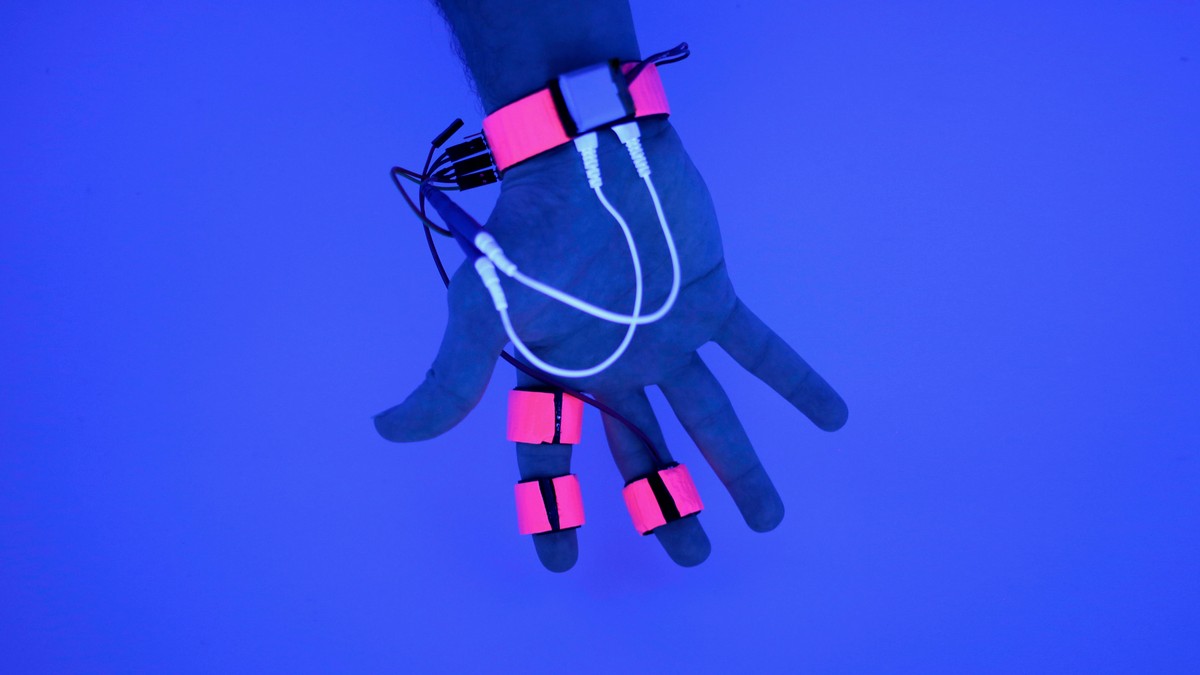
MIT Researchers Have Developed a ‘System for Dream Control’
There is a borderland between waking life and the uncharted wilderness of sleep that we all traverse each night, but we rarely stop to marvel at the strangeness of this liminal world. If we do, we find that it is full of hallucinations both wonderful and terrifying, a mental goulash of reality and fantasy.
Read More
Why Is the Human Brain So Efficient? Massive Parallelism
Which has more problem-solving power—the brain or the computer? Given the rapid advances in computer technology in the past decades, you might think that the computer has the edge. Indeed, computers have been built and programmed to defeat human masters in complex games, such as chess in the 1990s and recently Go, as well as encyclopedic knowledge contests, such as the TV show Jeopardy!
Read More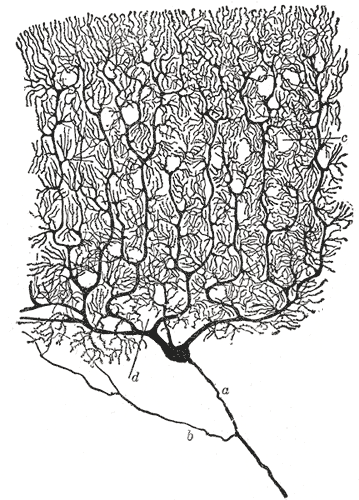
Interactive computational neuroscience – part 1, spiking neurons
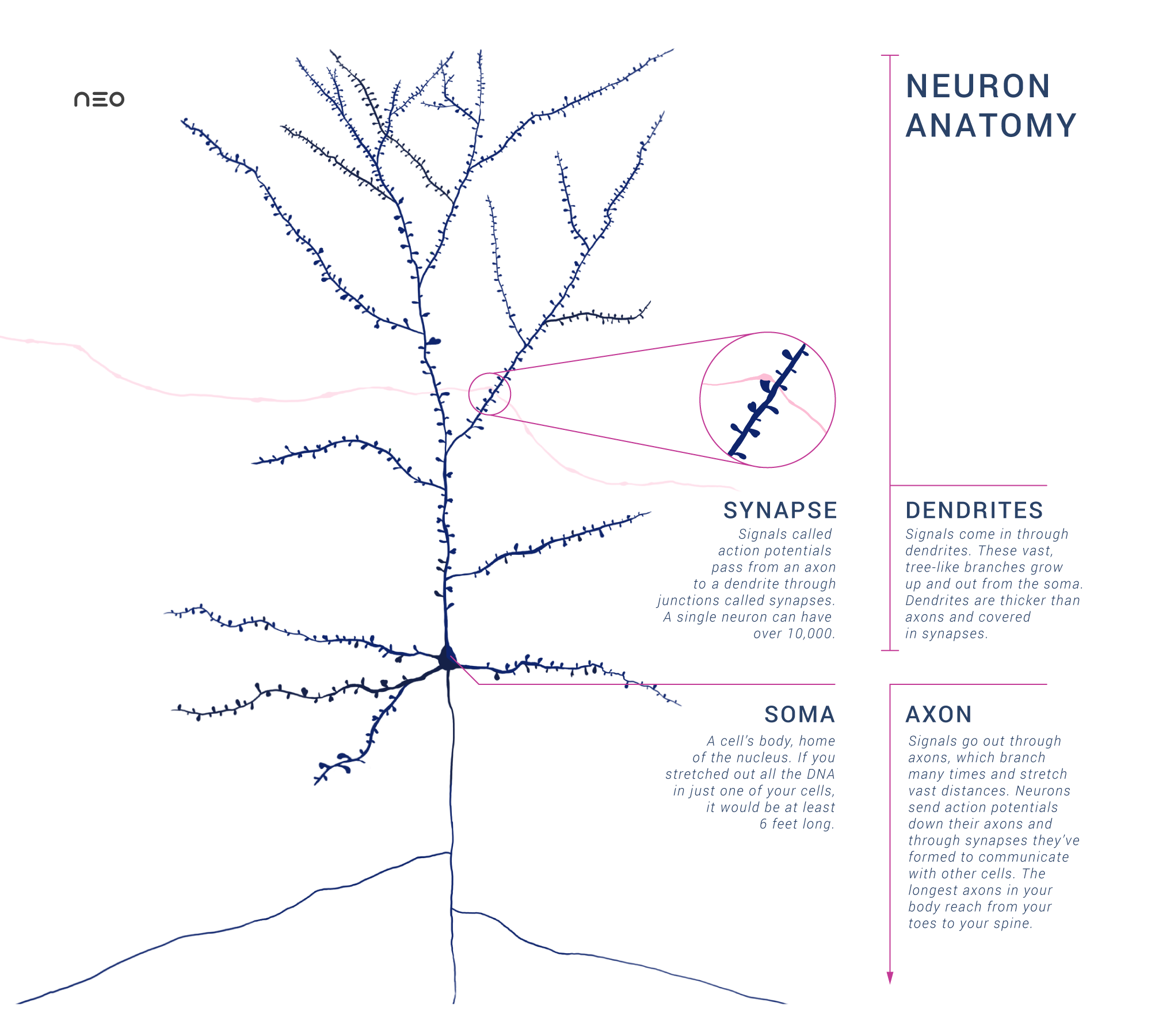
Neurons are cells — small bodies of mostly water, ions, amino acids and proteins with remarkable electrochemical properties. They are the primary functional units of the brain. Our mental experiences — our perceptions, memories, and thoughts — are the result of the ebb and flow of salts across neural bi-lipid membranes and the synaptic transmissions between neurons.
Read More
Why Is the Human Brain So Efficient?
The brain is complex; in humans it consists of about 100 billion neurons, making on the order of 100 trillion connections. It is often compared with another complex system that has enormous problem-solving power: the digital computer. Both the brain and the computer contain a large number of elementary units—neurons and transistors, respectively—that are wired into complex circuits to process information conveyed by electrical signals.
Read More

Brains Cling to Old Habits When Learning New Tricks
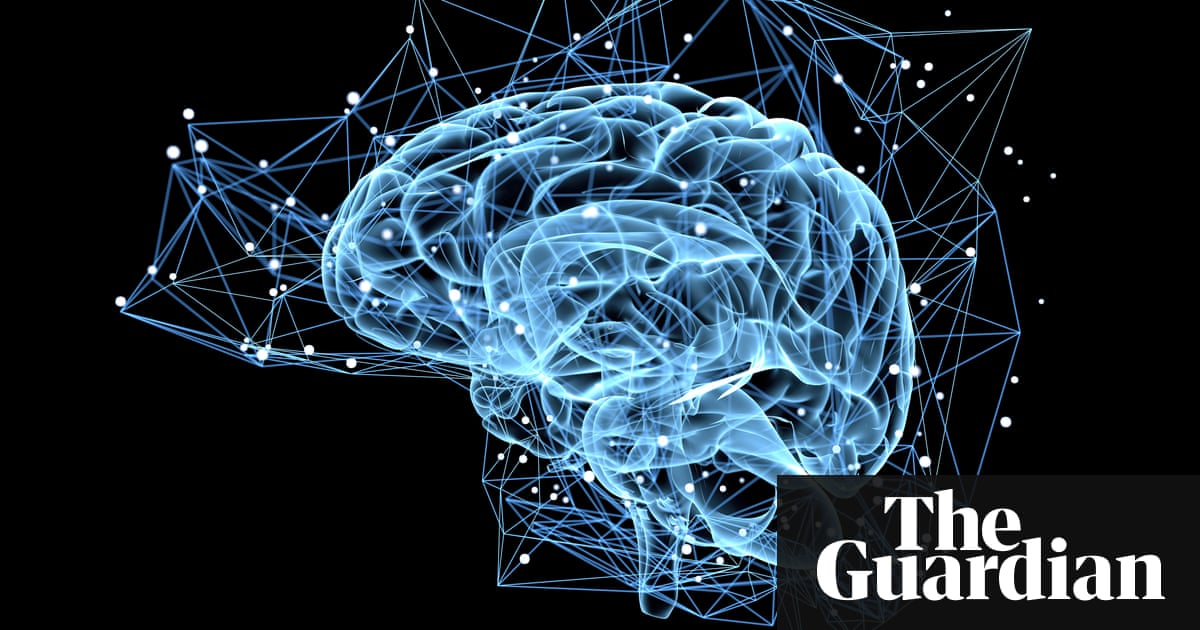
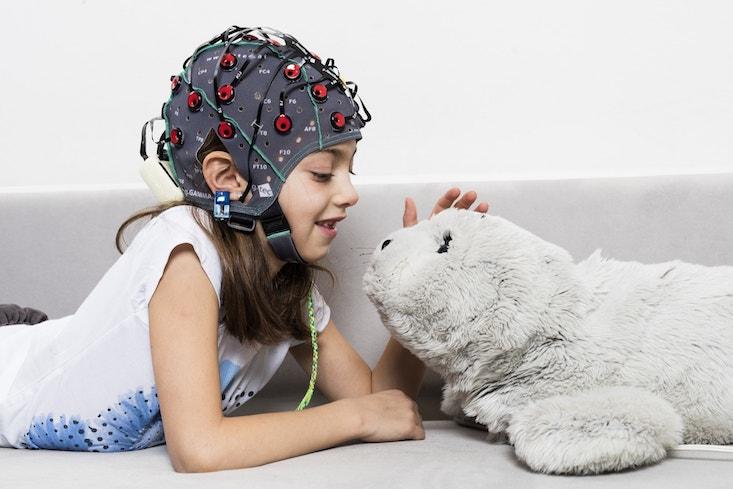
The hallmark of intelligence is the ability to learn. As decades of research have shown, our brains exhibit a high degree of “plasticity,” meaning that neurons can rewire their connections in response to new stimuli. But researchers at Carnegie Mellon University and the University of Pittsburgh have recently discovered surprising constraints on our learning abilities.
Read More
The Surprising Relativism of the Brain’s GPS
Physics grappled with the question of whether space is absolute or relative for centuries, before deciding in favor of relativity. But, it is only in recent years that the brain sciences have begun to discuss a parallel set of questions. For many years now, absolute space has ruled neuroscience.
Read More

Brainless Embryos Suggest Bioelectricity Guides Growth
In recent years, by working on tadpoles and other simple creatures, Levin’s laboratory has amassed evidence that the embryo is molded by bioelectrical signals, particularly ones that emanate from the young brain long before it is even a functional organ. Those results, if replicated in other organisms, may change our understanding of the roles of electrical phenomena and the nervous system in development, and perhaps more widely in biology.
Read More



Researchers Can ‘See’ Your Memories While You Sleep
New research published today by Cairney and his colleagues in Current Biology has made significant headway on this issue by linking sleep spindles—spontaneous bursts of brain activity—to memory processing in a sleeping brain. Incredibly, the researchers claim it is possible to determine the content of the memory being processed by analyzing this brain activity.
Read More

Hacking the Brain with Adversarial Images
This is an example of what’s called an adversarial image: an image specifically designed to fool neural networks into making an incorrect determination about what they’re looking at. Researchers at Google Brain decided to try and figure out whether the same techniques that fool artificial neural networks can also fool the biological neural networks inside of our heads, by developing adversarial images capable of making both computers and humans think that they’re looking at something they aren’t.
Read More
Seeing the brain’s electrical activity
MIT researchers have come up with a new way to measure electrical activity in the brain. Their new light-sensitive protein can be embedded into neuron membranes, where it emits a fluorescent signal that indicates how much voltage a particular cell is experiencing. This could allow scientists to study how neurons behave, millisecond by millisecond, as the brain performs a particular function.
Read More
Long Term Depression Permanently Changes the Brain
New brain imaging research from the Centre for Addiction and Mental Health (CAMH) shows that the brain alters after years of persistent depression, suggesting the need to change how we think about depression as it progresses.
Read More