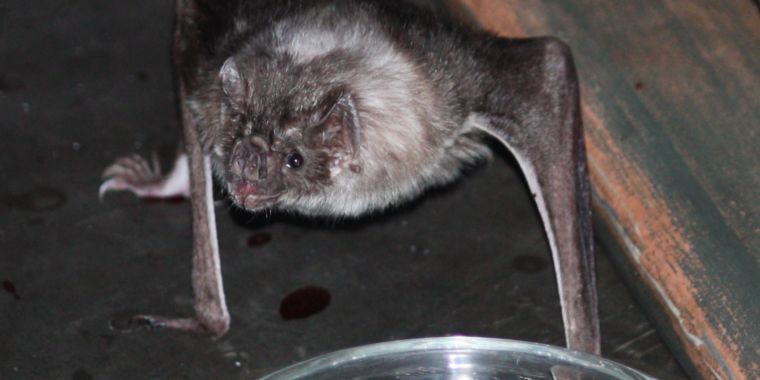
How plants evolved to make ants their servants
Plants are boring. They just sit there photosynthesizing while animals have all the fun. Right?
Read More
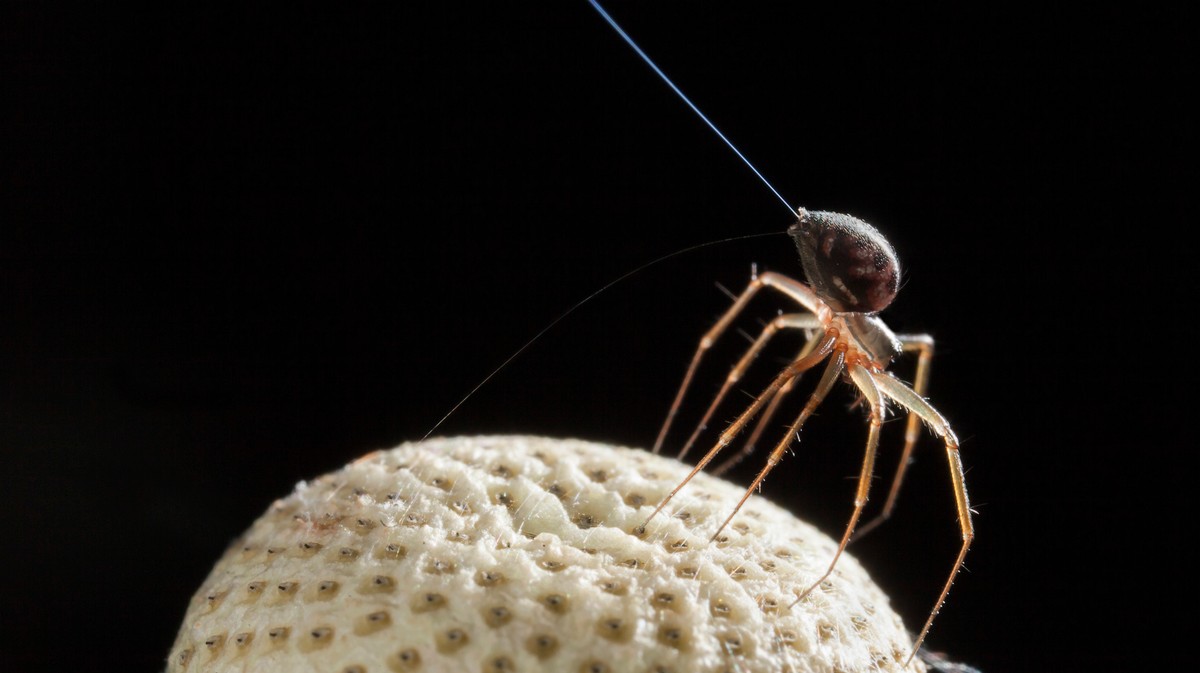
Spiders Can Fly Thousands of Miles With Electric Power
Small spiders achieve flight by aiming their butts at the sky and releasing tendrils of silk to generate lift. Darwin thought that electricity might be involved when he noticed that spider silk stands seemed to repel each other with electrostatic force, but many scientists assumed that the arachnids, known as “ballooning” spiders, were simply sailing on the wind like a paraglider. The wind power explanation has thus far been unable to account for observations of spiders rapidly launching into the air, even when winds are low, however.
Read More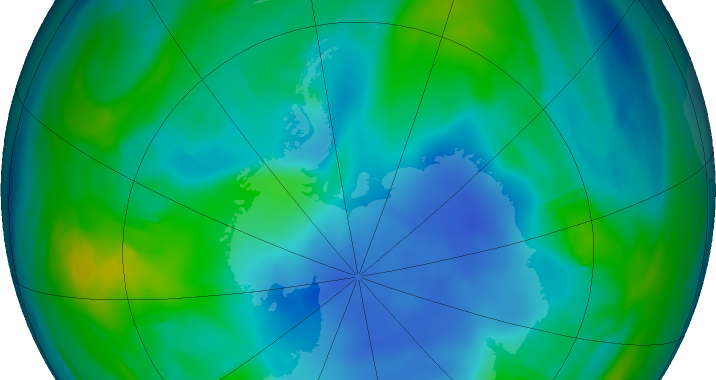
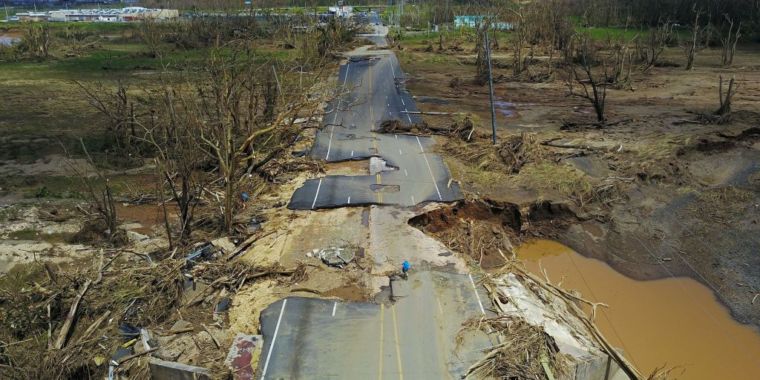

Smartphones Are Killing the Planet Faster Than Anyone Expected
A new study from researchers at McMaster University published in the Journal of Cleaner Production analyzed the carbon impact of the whole Information and Communication Industry (ICT) from around 2010-2020, including PCs, laptops, monitors, smartphones, and servers. They found remarkably bad news. Even as the world shifts away from giant tower PCs toward tiny, energy-sipping phones, the overall environmental impact of technology is only getting worse.
Read More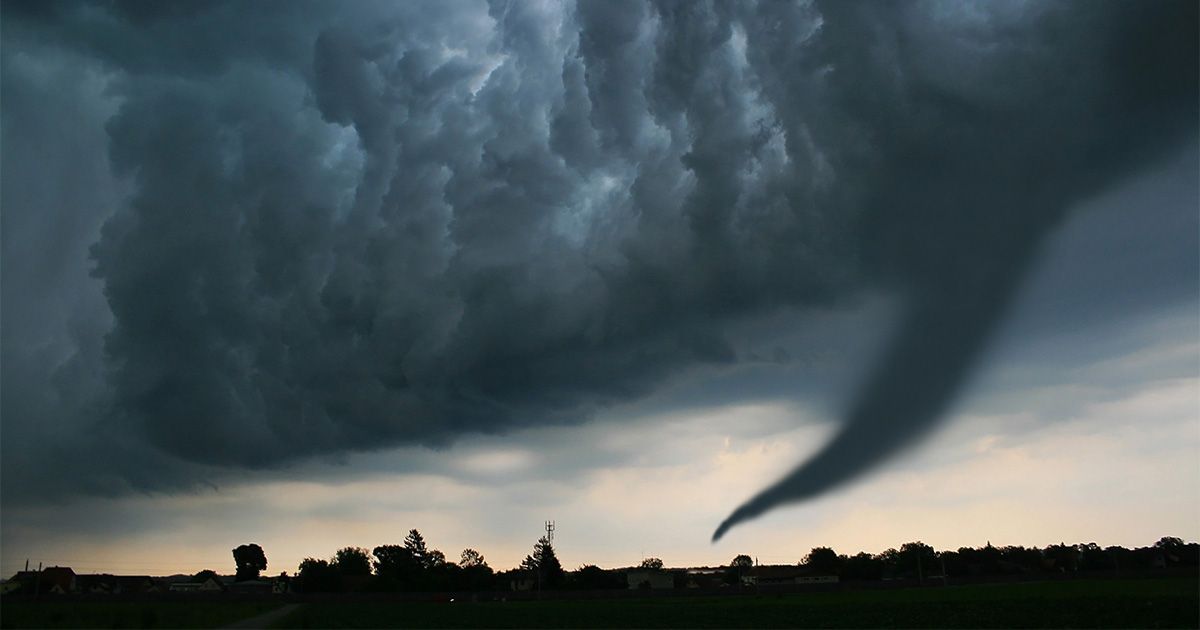
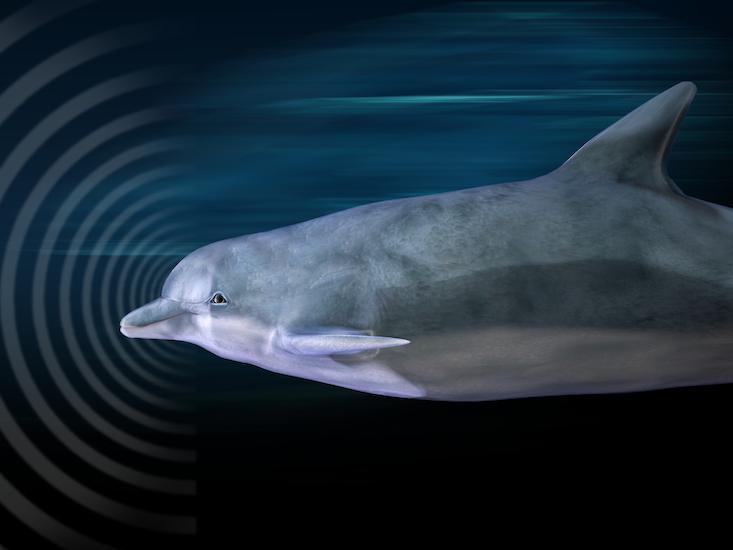
Dolphins Are Helping Us Hunt for Aliens
When 12 men gathered at the Green Bank Observatory in West Virginia to discuss the art and science of alien hunting in 1961, the Order of the Dolphin was born. A number of the brightest minds from a range of scientific disciplines, including three Nobel laureates, a young Carl Sagan, and an eccentric neuroscientist named John Lilly—who was best known for trying to talk to dolphins—were in attendance. It was Lilly’s research that inspired the group’s name: If humans couldn’t even communicate with animals that shared most of our evolutionary history, he believed, they were a bit daft to think they could recognize signals from a distant planet.
Read More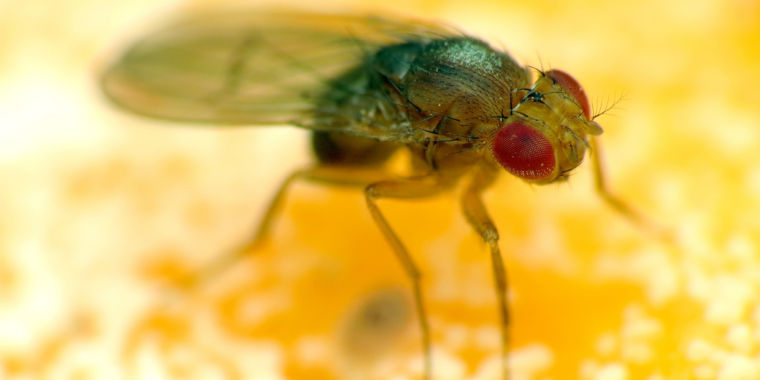
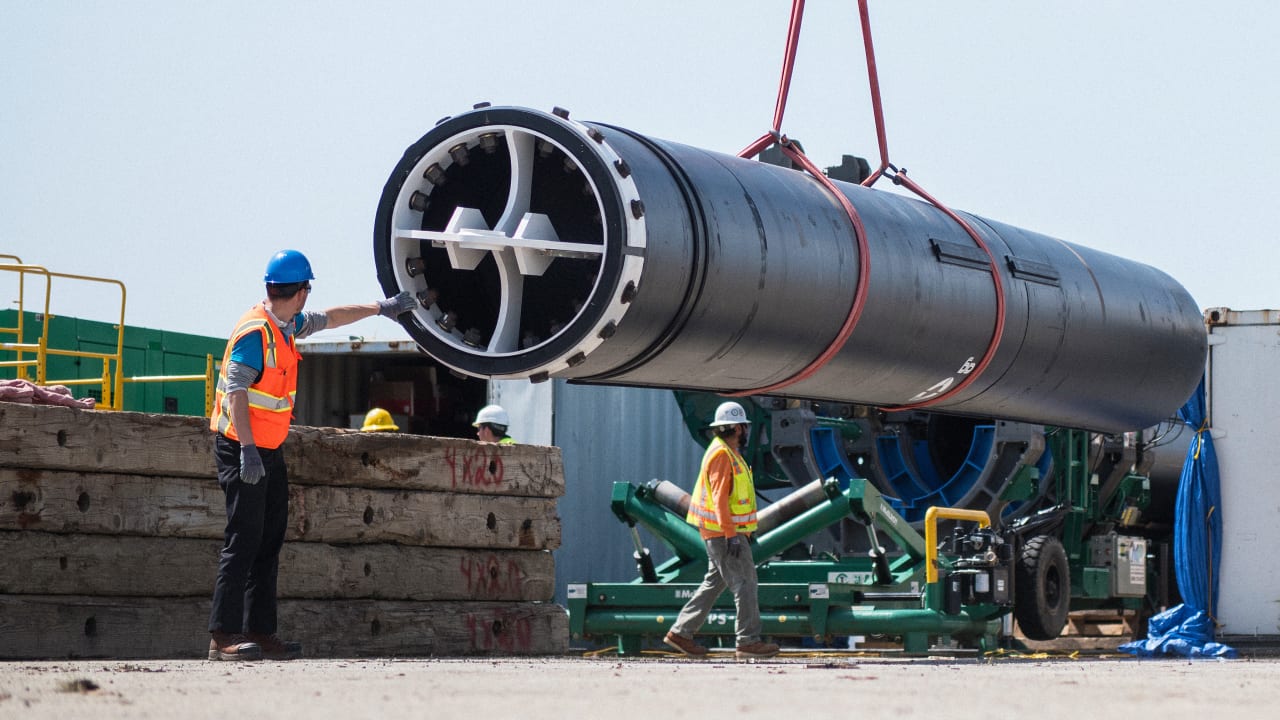
The Ocean Cleanup’s Machine Is About to Set Sail
Six years ago, the technology was only an idea presented at a TEDx talk. Boyan Slat, the 18-year-old presenter, had learned that cleaning up the tiny particles of plastic in the ocean could take nearly 80,000 years. Because of the volume of plastic spread through the water, and because it is constantly moving with currents, trying to chase it with nets would be a losing proposition.
Read More
The Elusive Calculus of Insects’ Altruism and Kin Selection
How the ultra-cooperative behavior of ants, bees and other social insects could have evolved continues to challenge formal analysis. But a new theory that includes hedging bets against nature’s unpredictability may help to change the math and shift the debate.
Read More
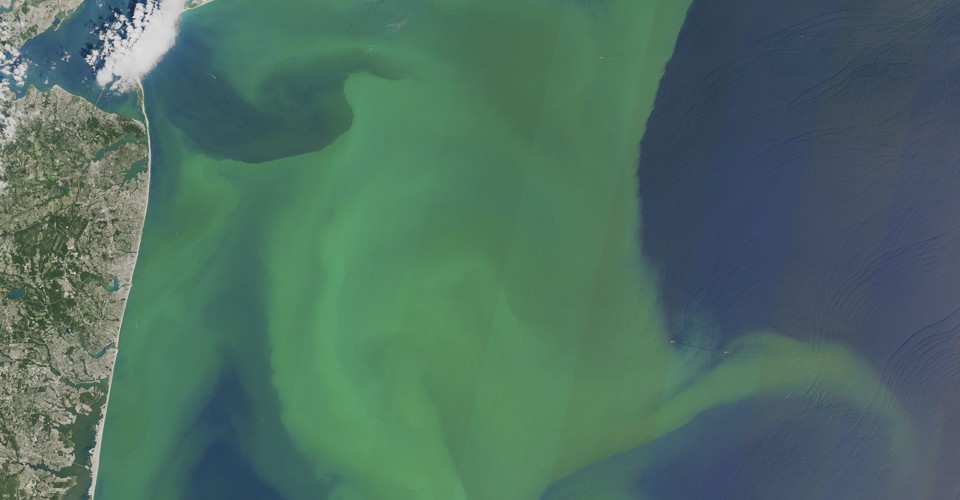
Today’s Oceans and a 94M-Year-Old Catastrophe
The ocean is losing its oxygen. Last week, in a sweeping analysis in the journal Science, scientists put it starkly: Over the past 50 years, the volume of the ocean with no oxygen at all has quadrupled, while oxygen-deprived swaths of the open seas have expanded by the size of the European Union.
Read More
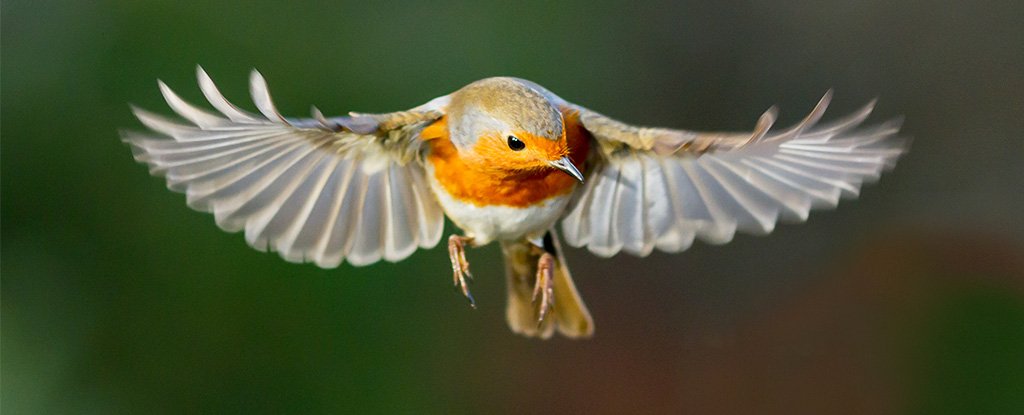
Birds can see Earth’s magnetic fields
The mystery behind how birds navigate might finally be solved: it’s not the iron in their beaks providing a magnetic compass, but a newly discovered protein in their eyes that lets them ‘see’ Earth’s magnetic fields. These findings come courtesy of two new papers – one studying robins, the other zebra finches. The fancy eye protein is called Cry4, and it’s part of a class of proteins called cryptochromes – photoreceptors sensitive to blue light, found in both plants and animals.
Read More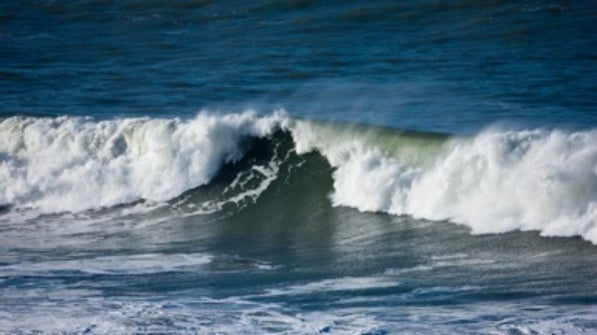
Slow-Motion Ocean: Atlantic’s Circulation Is Weakest in 1,600 Years
In recent years sensors stationed across the North Atlantic have picked up a potentially concerning signal: The grand northward progression of water along North America that moves heat from the tropics toward the Arctic has been sluggish. If that languidness continues and deepens, it could usher in drastic changes in sea level and weather around the ocean basin.
Read More
Japan team maps ‘semi-infinite’ trove of rare earth elements
The deposit, found within Japan’s exclusive economic zone waters, contains more than 16 million tons of the elements needed to build high-tech products ranging from mobile phones to electric vehicles, according to the study, released Tuesday in the journal Scientific Reports.
Read More
What makes a tree a tree?
Despite numerous studies and 30-plus genomes under their belts, scientists are still struggling to nail down the defining traits of these tall, long-lived, woody plants.
Read More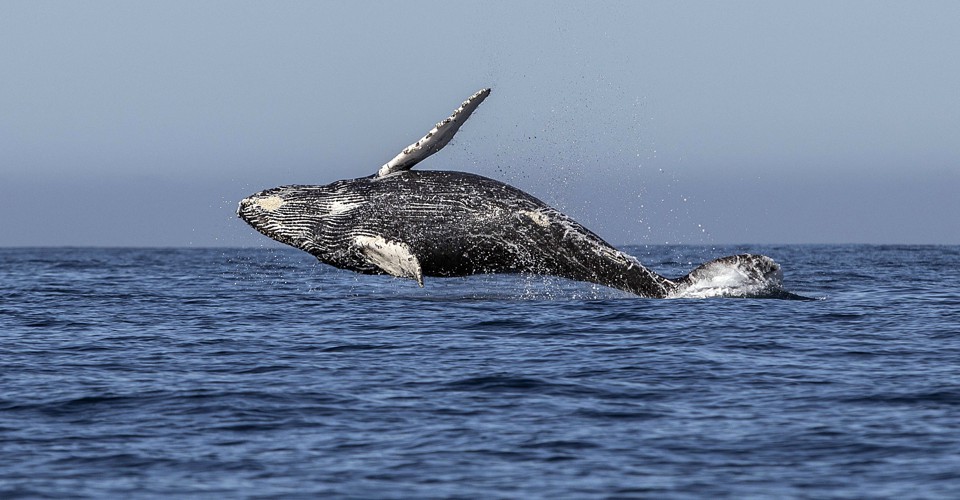
Why Whales Got So Big
The first time I came face to face with a sea lion, I nearly screamed. I was snorkeling, and after a long time spent staring down at colorful corals, I looked up to see a gigantic bull, a couple of feet in front of my mask. Its eyes were opalescent.
Read More
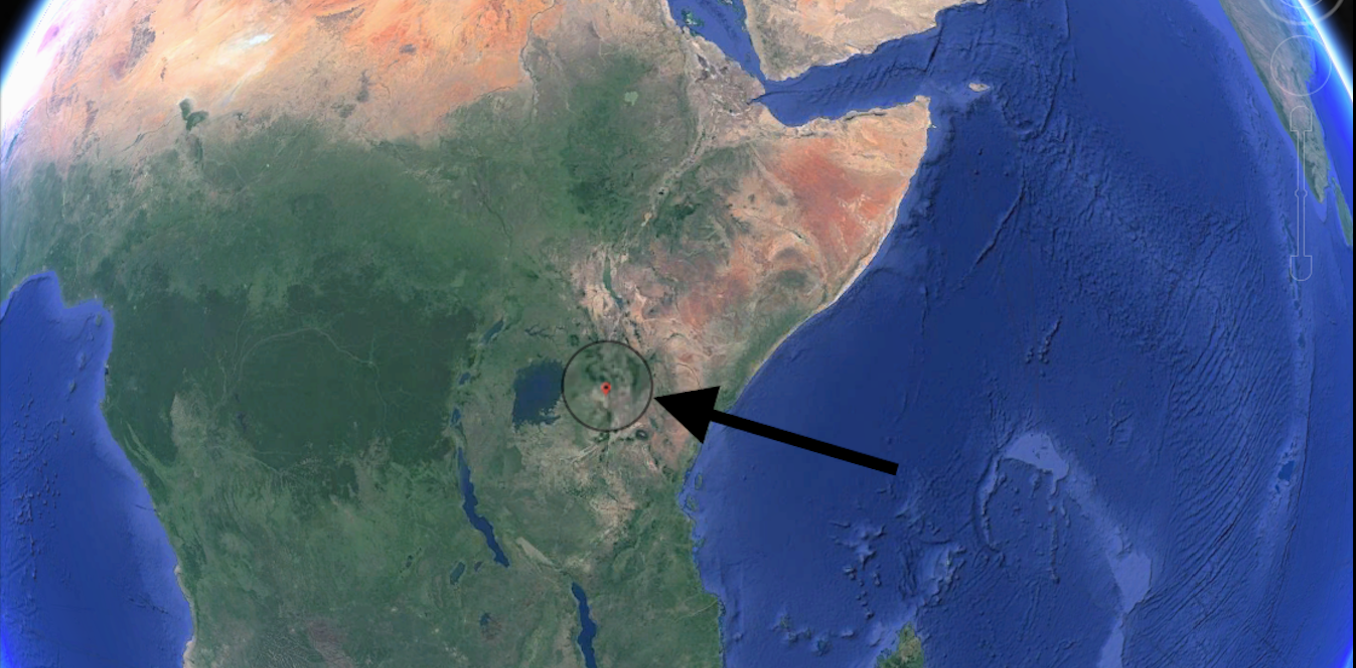
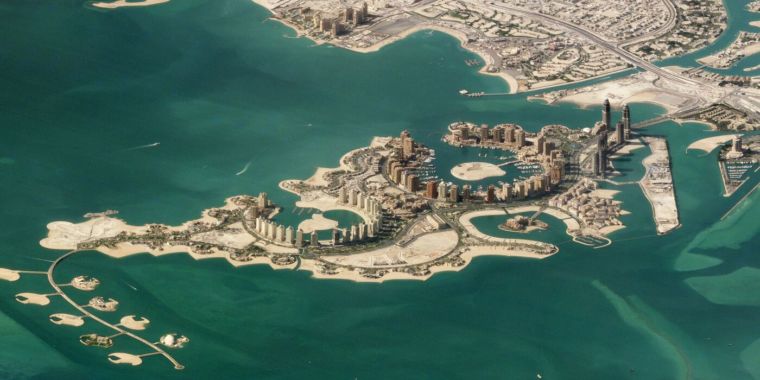
Satellite images from highly oblique angles are pretty mindblowing
Founded in 2010 by three former NASA scientists, Planet Labs has been among the forefront of several companies seeking to provide high-quality, commercially available imagery of planet Earth. As such, it has the capability to look all around the world, in real time.
Read More
Will the world ever be ready for solar geoengineering?
The first time Frank Keutsch heard about solar geoengineering, he thought the idea was terrifying. To the Harvard University atmospheric chemist, schemes such as spraying millions of tons of sulfate particles into the sky to reflect the sun’s rays and cool the planet seemed perilous. Not only might the strategies disrupt the atmosphere in unexpected ways, but they might also dramatically alter the weather and harm the lives of Earth’s inhabitants.
Read More

Listening for illegal logging chainsaws using TensorFlow
Our team has built the world’s first scalable, real-time detection and alert system for logging and environmental conservation in the rainforest. Building hardware that will survive in the rainforest is challenging, but we’re using what’s already there: the trees. We’ve hidden modified smartphones powered with solar panels—called “Guardian” devices—in trees in threatened areas, and continuously monitor the sounds of the forest, sending all audio up to our cloud-based servers over the standard, local cell-phone network.
Read More
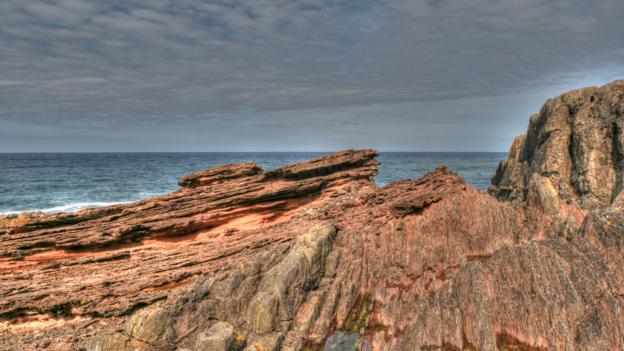
A cliff that changed our understanding of time
A rocky, remote outcrop in Scotland inspired the realisation that the Earth was millions of years old – and led Charles Darwin to his theory of evolution.
Read More
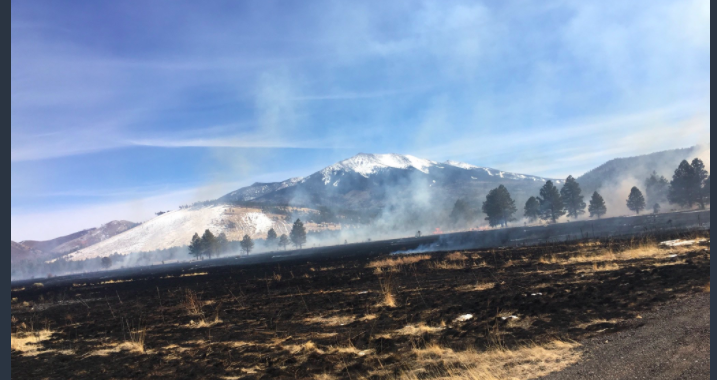
Drone crashes in Arizona National Forest, starts a wildfire
Drone use and wilderness areas have been in conflict in recent years. Drones have grounded fire-fighting planes and helicopters, which usually fly low to the forest. Having a drone come in contact with propellers could endanger a firefighter’s life.
Read More
Did plants cause one of Earth’s great extinctions?
Clues are hard to come by when you’re trying to look back to a time when the continents clumped together like a closed fist. But geologists have found evidence that plants, the most gentle of organisms, may have helped kill most of the life in the oceans 374 million years ago.
Read More

Some of the World’s Biggest Lakes Are Drying Up
We were driving on the lake bottom, yet we were more than 12,000 feet above sea level. The spring air was lip-chapping dry. Many of the fishing villages that have relied on Lake Poopó for thousands of years have emptied too, and we drove past clusters of abandoned adobe homes.
Read More