
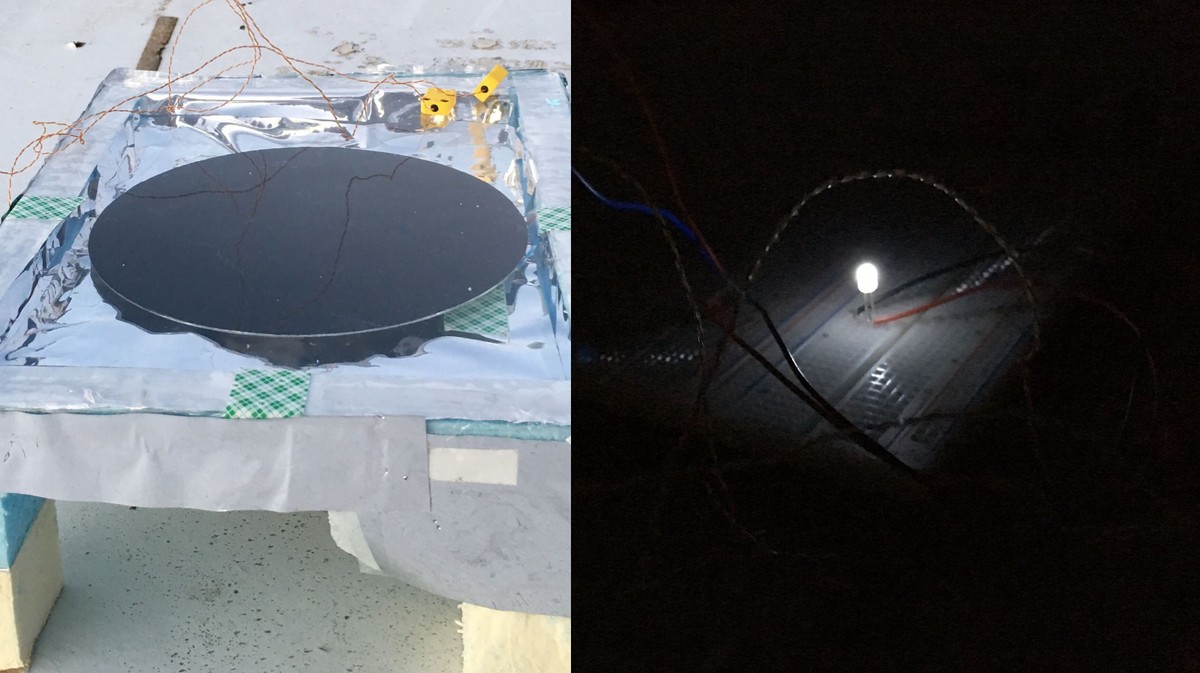

Finnish company makes food from thin air
The impact of the beef — and for that matter, poultry, pork, and fish — industries on our planet is widely recognized as one of the main drivers behind climate change, pollution, habitat loss, and antibiotic-resistant illness. From the cutting down of rainforests for cattle-grazing land, to runoff from factory farming of livestock and plants, to the disruption of the marine food chain, to the overuse of antibiotics in food animals, it’s been disastrous. The advent of a promising source of protein derived from two of the most renewable things we have, CO₂ and sunlight, gets us out of the planet-destruction business at the same time as it offers the promise of a stable, long-term solution to one of the world’s most fundamental nutritional needs.
Read More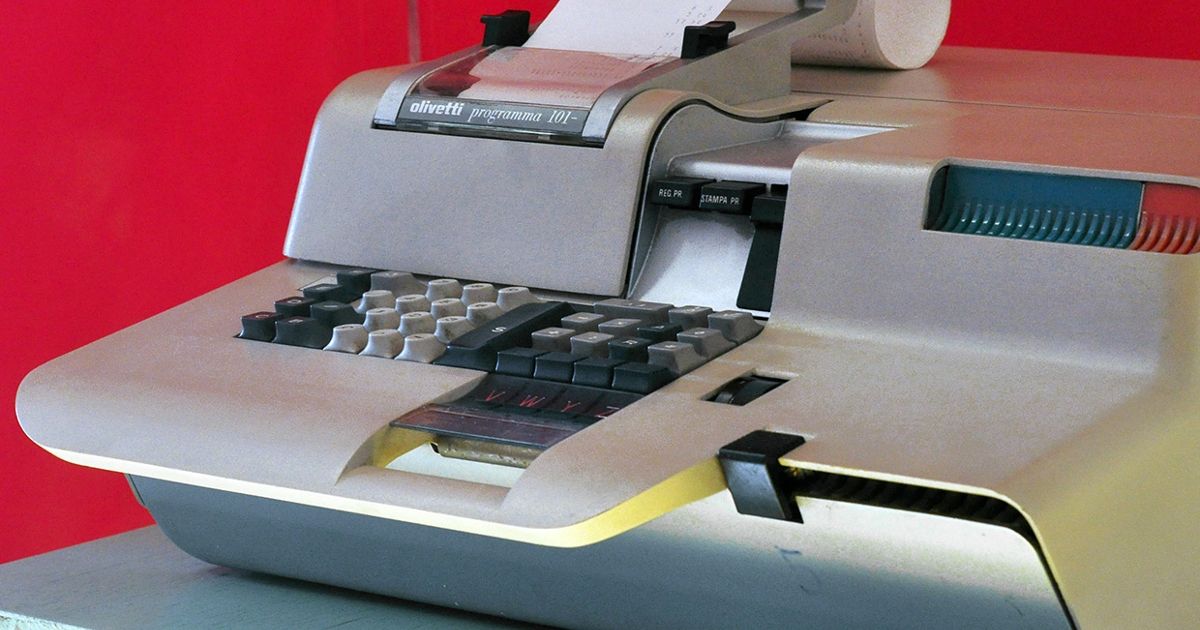
The Calculator That Helped Land Men on the Moon
Introduced at a Business Equipment Manufacturers Association show in New York in October 1965, this programmable desktop calculator provedan immediate success. Also known as the P101 or the Perottina (after the chief engineer who designed it, Pier Giorgio Perotto), it eventually sold more than 40,000 units, primarily in the United States but also in Europe. NASA bought a number of P101s, which were used by engineers working on the 1969 Apollo11 moon landing.
Read More


UBC breakthrough opens door to $100 ultrasound machine
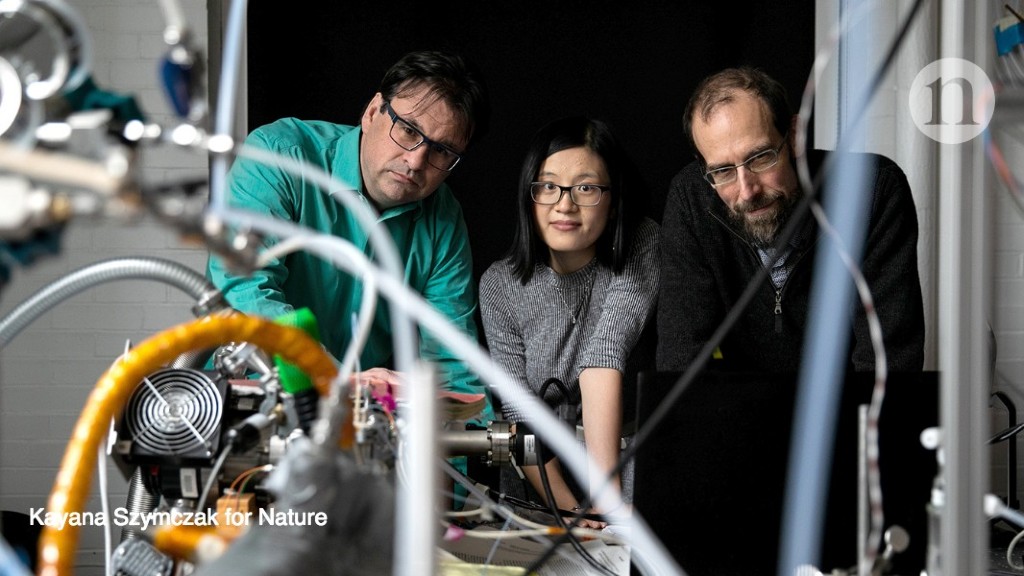
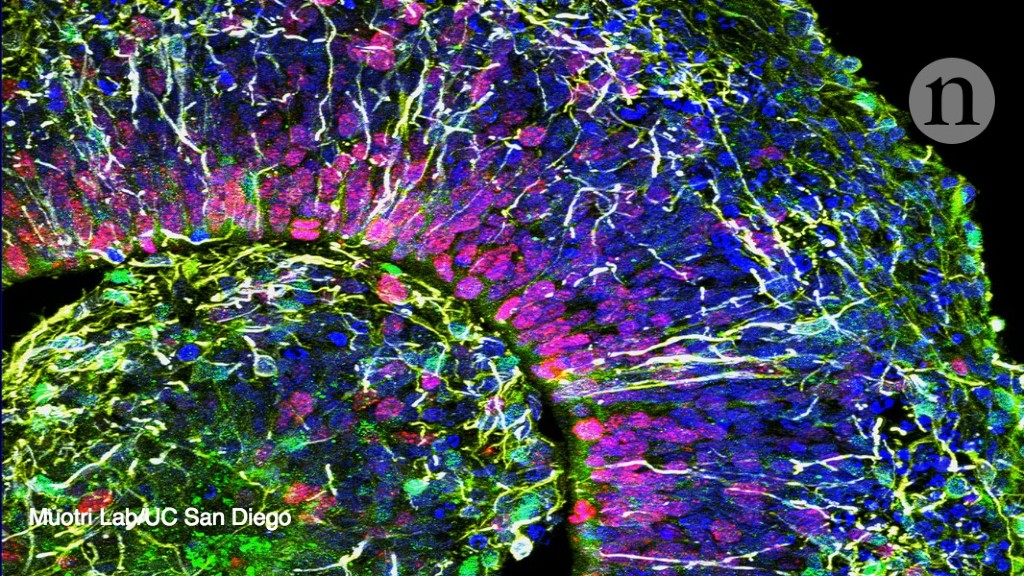
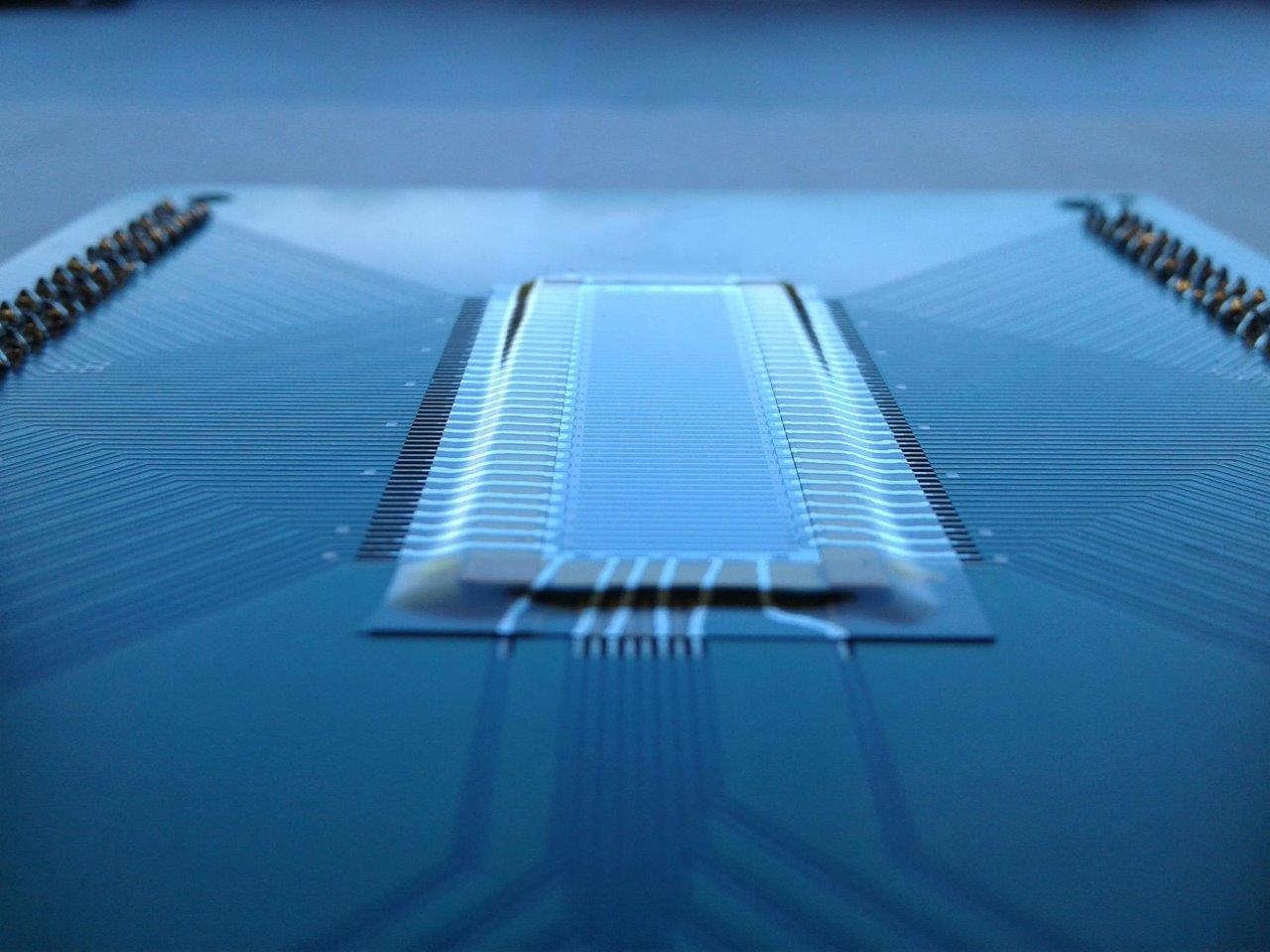
Engineers at the University of British Columbia have developed a new ultrasound transducer, or probe, that could dramatically lower the cost of ultrasound scanners to as little as $100. Their patent-pending innovation—no bigger than a Band-Aid—is portable, wearable and can be powered by a smartphone. Conventional ultrasound scanners use piezoelectric crystals to create images of the inside of the body and send them to a computer to create sonograms.
Read More
Physics Needs Philosophy. Philosophy Needs Physics
Contrary to claims about the irrelevance of philosophy for science, I argue that philosophy has had, and still has, far more influence on physics than is commonly assumed. I maintain that the current anti-philosophical ideology has had damaging effects on the fertility of science. I also suggest that recent important empirical results, such as the detection of the Higgs particle and gravitational waves, and the failure to detect supersymmetry where many expected to find it, question the validity of certain philosophical assumptions common among theoretical physicists, inviting us to engage in a clearer philosophical reflection on scientific method.
Read More
The best representations of mathematics may not exist yet
Humility. It’s all I can feel after watching 3Blue1Brown’s latest maths video, in which Grant Sanderson and his team provide the most novel of approaches to solving 2D equations, using colour. It is the second time 3Blue1Brown has blown my mind to pieces in just a few weeks, following their earlier video that solved the Basel problem with light.
Read More
Lost in Math: Beauty != truth
In Lost in Math, Hossenfelder delves briefly into the history of particle physics in order to explain the success of the Standard Model of particles and forces. She touches on why we’ve not had any unexplainable data from experimental particle physics for the last 50 years. She then takes us on a tour of the data that make us think we should be looking for physics that is not explained by the Standard Model—dark matter, dark energy, and cosmic inflation.
Read More
Redesigning the Scientific Paper
The scientific paper—the actual form of it—was one of the enabling inventions of modernity. Before it was developed in the 1600s, results were communicated privately in letters, ephemerally in lectures, or all at once in books. There was no public forum for incremental advances.
Read More
Computer system transcribes words users “speak silently”
MIT researchers have developed a computer interface that can transcribe words that the user verbalizes internally but does not actually speak aloud.
Read More
What is good science?
Demanding that a theory is falsifiable or observable, without any subtlety, will hold science back. We need madcap ideas.
Read More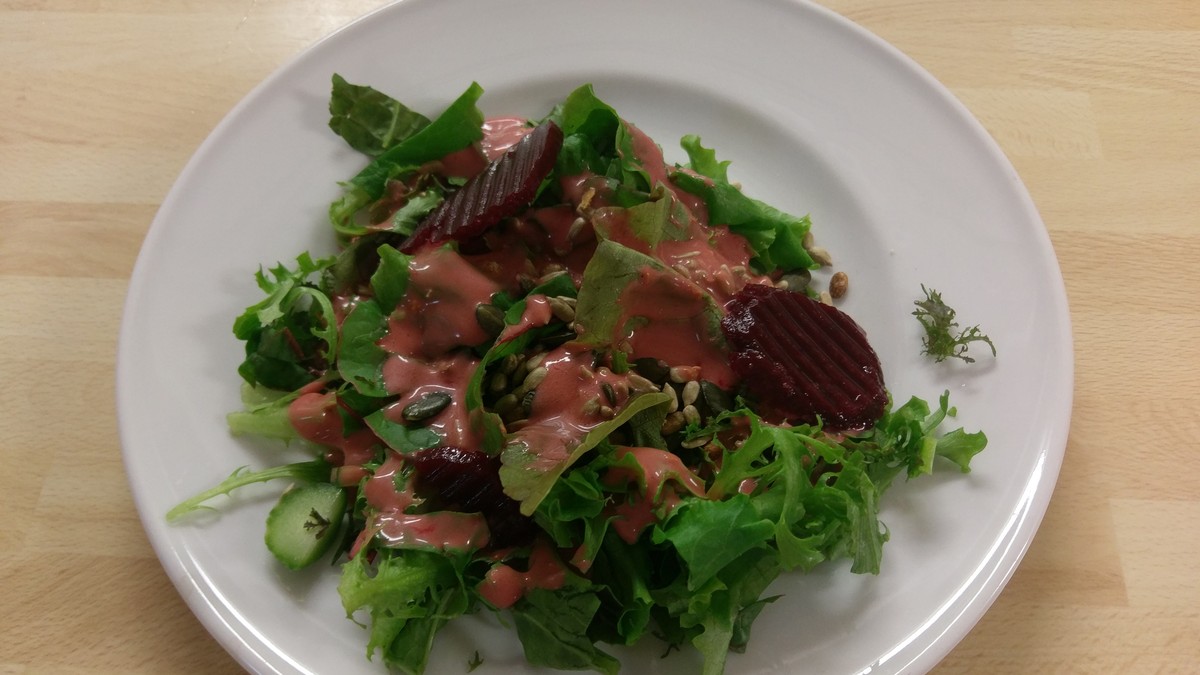
This Salad Was Grown in Antarctica
Scientists at Germany’s DLR Institute of Space Systems were successfully able to grow eight pounds of greens, 70 radishes, and 18 cucumbers without soil. Temperatures outside reached -6 degrees fahrenheit.
Read More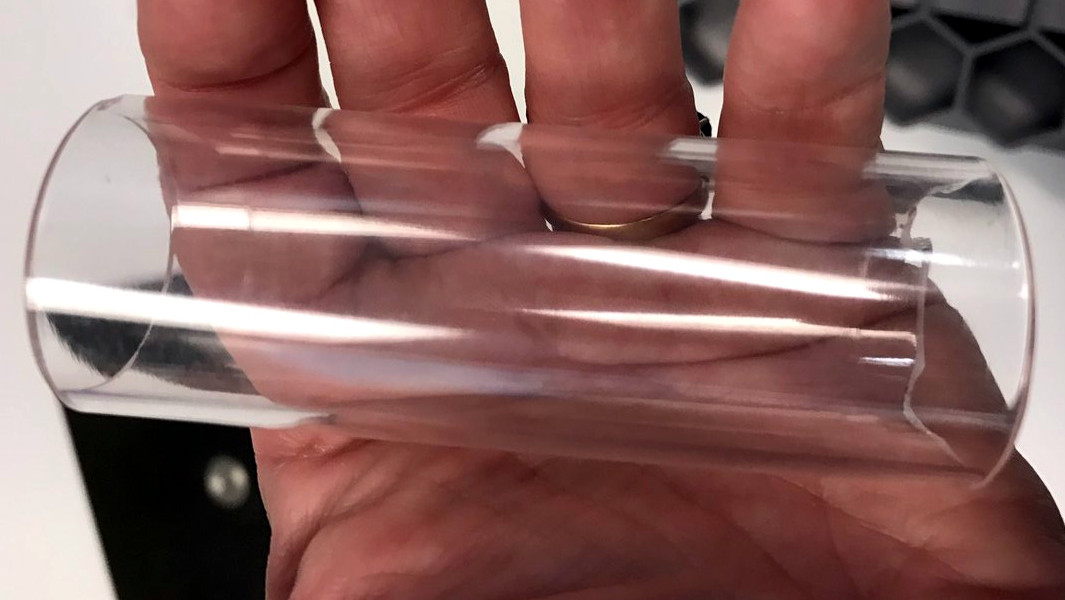
What’s the Deal with Transparent Aluminum?
We got onto the buzz about “transparent aluminum” as a result of a Tweetfrom whence the image above came. This Tweet was posted by [Jo Pitesky], a Science Systems Engineer at the Jet Propulsion Lab in Pasadena. [Jo] reported that at a recent JPL technology open house she had the chance to handle a tube of material that looks for all the world like a section of glass tubing, but was billed as transparent aluminum.
Read More

Buzzword Convergence: Making Sense of Quantum Neural Blockchain AI
What happens if you take four of today’s most popular buzzwords and string them together? Does the result mean anything? Given that today is April 1 (as well as being Easter Sunday), I thought it’d be fun to explore this.
Read More
Will the world ever be ready for solar geoengineering?
The first time Frank Keutsch heard about solar geoengineering, he thought the idea was terrifying. To the Harvard University atmospheric chemist, schemes such as spraying millions of tons of sulfate particles into the sky to reflect the sun’s rays and cool the planet seemed perilous. Not only might the strategies disrupt the atmosphere in unexpected ways, but they might also dramatically alter the weather and harm the lives of Earth’s inhabitants.
Read More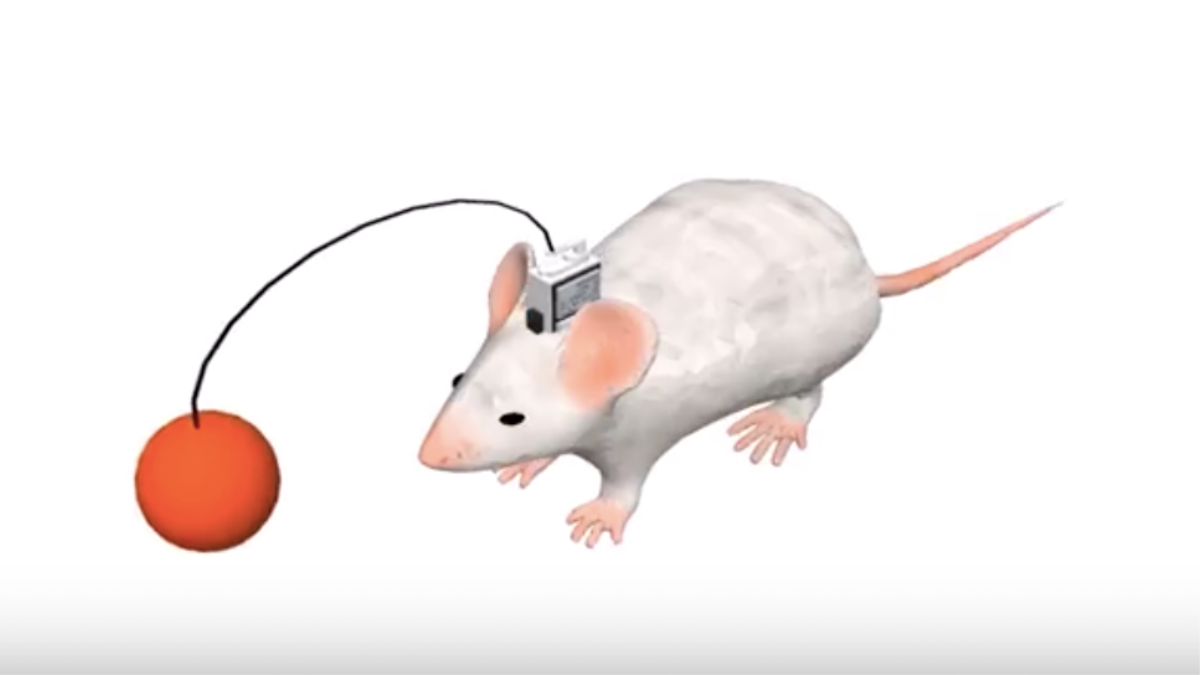
Watch a Human Mind-Control a Cyborg Mouse
Researchers from the Korea Advanced Institute of Science and Technology created steerable cyborg mice, and holy hell is this experiment giving me the creeps.
Read More


Reptile: A Scalable Meta-Learning Algorithm
We’ve developed a simple meta-learning algorithm called Reptile which works by repeatedly sampling a task, performing stochastic gradient descent on it, and updating the initial parameters towards the final parameters learned on that task. This method performs as well as MAML, a broadly applicable meta-learning algorithm, while being simpler to implement and more computationally efficient.
Read More


Vision-improving nanoparticle eyedrops could end the need for glasses
Could the development of eyesight-improving eyedrops help eliminate the need for glasses? Quite possibly, suggests new research coming out of Israel’s Shaare Zedek Medical Center and Bar-Ilan University. A team of ophthalmologists at these institutes have invented and tested “nanodrops” which, combined with a laser process, reportedly results in improvements in both short- and long-sightedness.
Read More
Researchers Can ‘See’ Your Memories While You Sleep
New research published today by Cairney and his colleagues in Current Biology has made significant headway on this issue by linking sleep spindles—spontaneous bursts of brain activity—to memory processing in a sleeping brain. Incredibly, the researchers claim it is possible to determine the content of the memory being processed by analyzing this brain activity.
Read More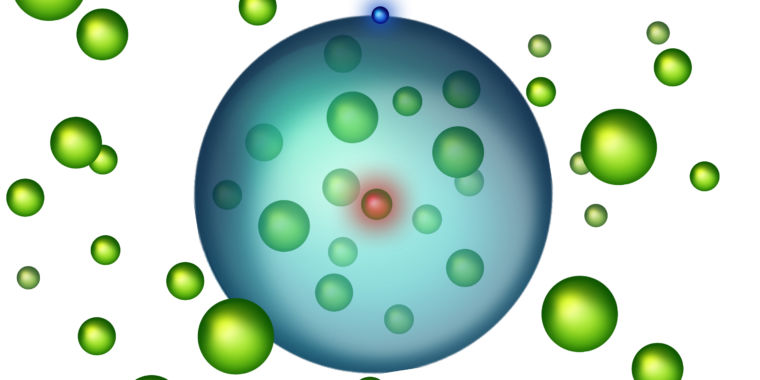
Giant atom hides its neighbors under a single-electron skirt
You may be familiar with matryoshka dolls: nested sets of painted figurines that fit within painted figurines. In the case of wooden dolls, the concept is pretty straightforward: hollow out a large bit and fit smaller bits in. You might think that doing the same thing with atoms is kind of tough.
Read More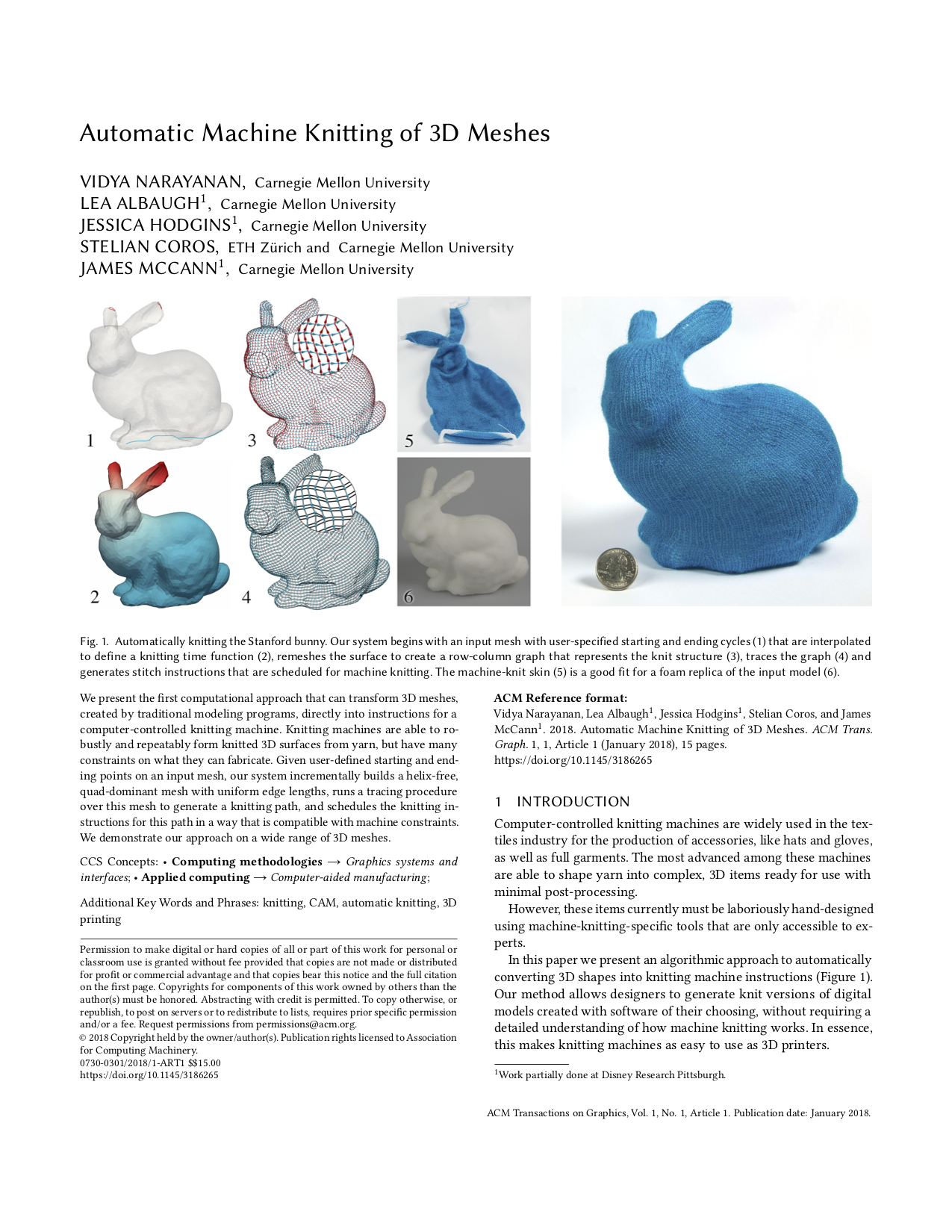
Automatic Machine Knitting of 3D Meshes
We present the first computational approach that can transform 3D meshes, created by traditional modeling programs, directly into instructions for a computer-controlled knitting machine. Knitting machines are able to robustly and repeatably form knitted 3D surfaces from yarn, but have many constraints on what they can fabricate.
Read More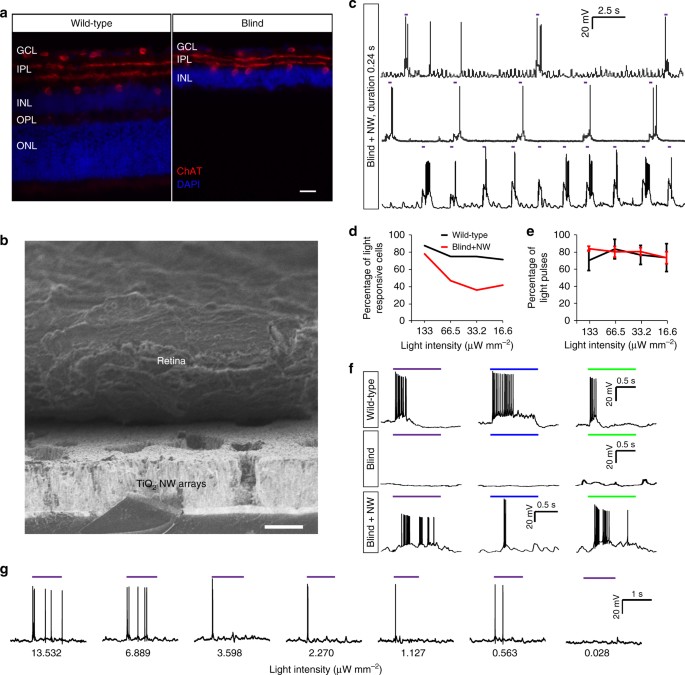
Nanowire arrays restore vision in blind mice
Retina is an important light-sensitive tissue that transduces light information into neural activities through multi-layers of neuronal cells. Light entering an eye passes through the transparent retina and is mostly captured by the visual pigment-containing photoreceptors. Retinal degenerative diseases such as retinitis pigmentosa and macular degeneration lead to irreversible damage or even loss of photoreceptors, which can result in serious impairment of vision and eventually blindness.
Read More

The forgetting curve explains why humans struggle to memorize
Learning has an evolutionary purpose: Among species, individuals that adapt to their environments will succeed. That’s why your brain more easily retains important or surprising information: It takes very little effort to remember that the neighbor’s dog likes to bite. Remembering the dog’s name is harder.
Read More
Frequency Deviations In Continental Europe Are Causing Electric Clocks To Run Behind By 5 Minutes

Read More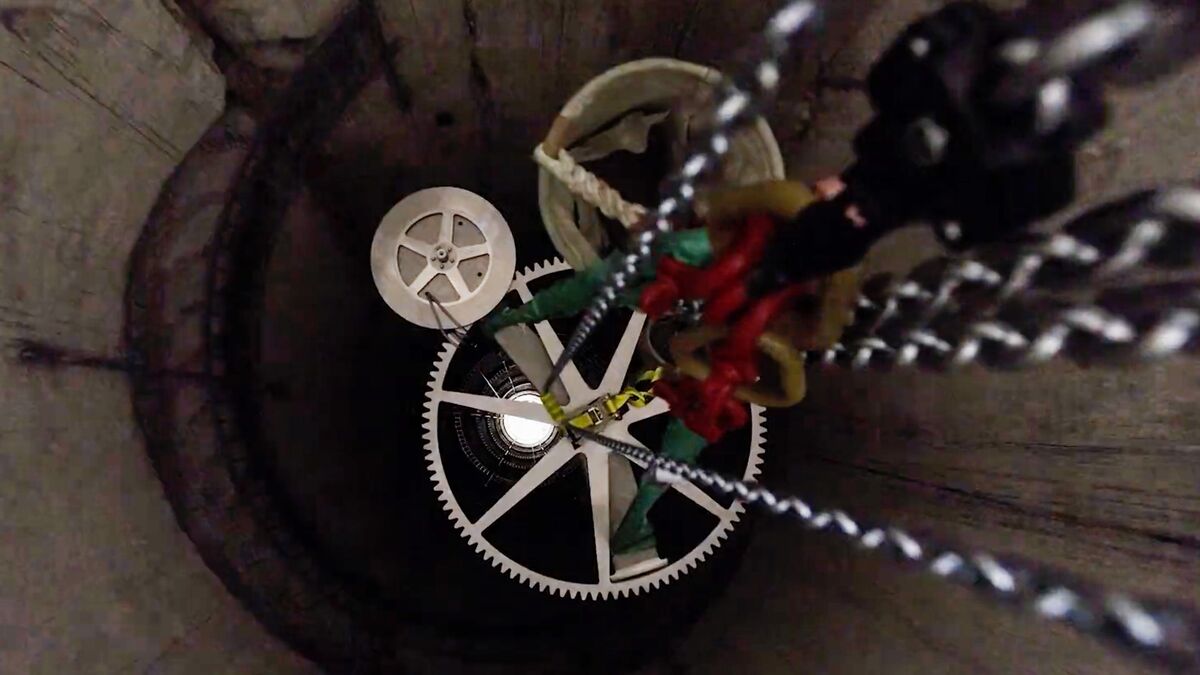
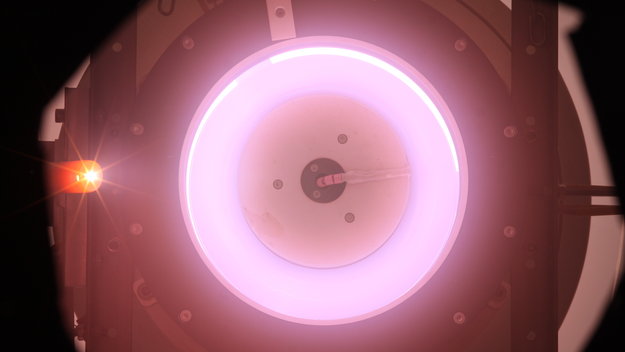
First firing of air-breathing Electric Truster
In a world-first, an ESA-led team has built and fired an electric thruster to ingest scarce air molecules from the top of the atmosphere for propellant, opening the way to satellites flying in very low orbits for years on end.
Read More
New Giant Viruses Further Blur the Definition of Life
For decades, descriptions of viruses have straddled life and nonlife, a divide that usually isn’t difficult to navigate. Their hallmark characteristics, namely their small size, tiny genomes and parasitic dependence on cellular hosts for replication, set them apart from all other living things despite their animation. But that story has gotten far more puzzling — particularly since the discovery of the first giant virus in 2003, which was so large that researchers initially thought it was a bacterium.
Read More
Insulator or superconductor? Physicists find graphene is both
Physicists at MIT and Harvard University have found that graphene, a lacy, honeycomb-like sheet of carbon atoms, can behave at two electrical extremes: as an insulator, in which electrons are completely blocked from flowing; and as a superconductor, in which electrical current can stream through without resistance.
Read More
Can Many-Worlds Theory Rescue Us From Boltzmann Brains?
Can you trust the world to be consistent? Scientists don’t have much choice. They need to assume that objective observations of the universe can be trusted.
Read More
Some of the World’s Biggest Lakes Are Drying Up
We were driving on the lake bottom, yet we were more than 12,000 feet above sea level. The spring air was lip-chapping dry. Many of the fishing villages that have relied on Lake Poopó for thousands of years have emptied too, and we drove past clusters of abandoned adobe homes.
Read More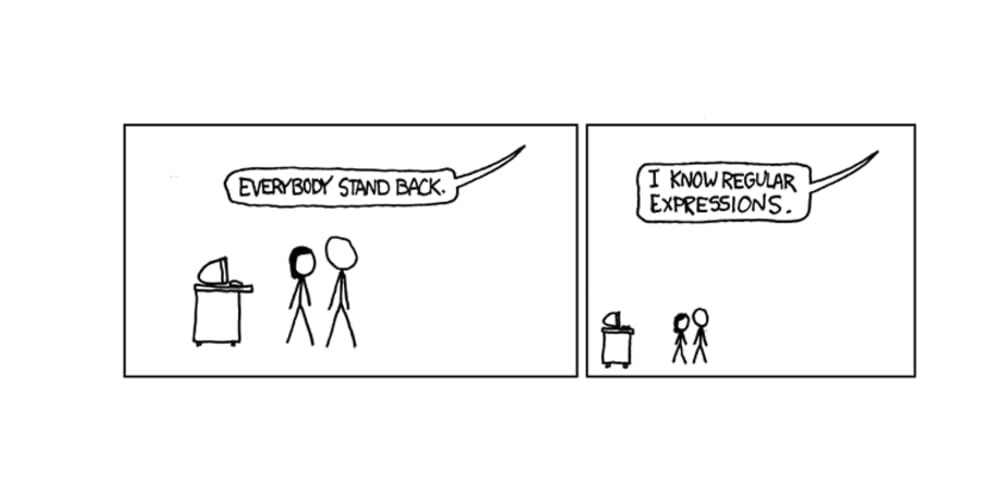
Exploring the Linguistics Behind Regular Expressions
Little did I know that learning about Chomsky would drag me down a rabbit hole back to regular expressions, and then magically cast regular expressions into something that fascinated me. What enchanted me about regular expressions was the homonymous linguistic concept that powered them.
Read More

DNA Sheds Light On Settlement of Pacific
Two genetic studies shed light on the epic journeys that led to the settlement of the vast Pacific region by humans.
Read More
The Bayesian Probability Puzzle Solution
When making hard decisions, do you go with your gut or try to calculate the risks? In many cases going with your gut is fine, but the answers to our February puzzle problems show how explicit probabilistic thinking can outperform intuitive estimates. They also highlight the differences between situations where an intuitive approach succeeds and ones where it fails.
Read More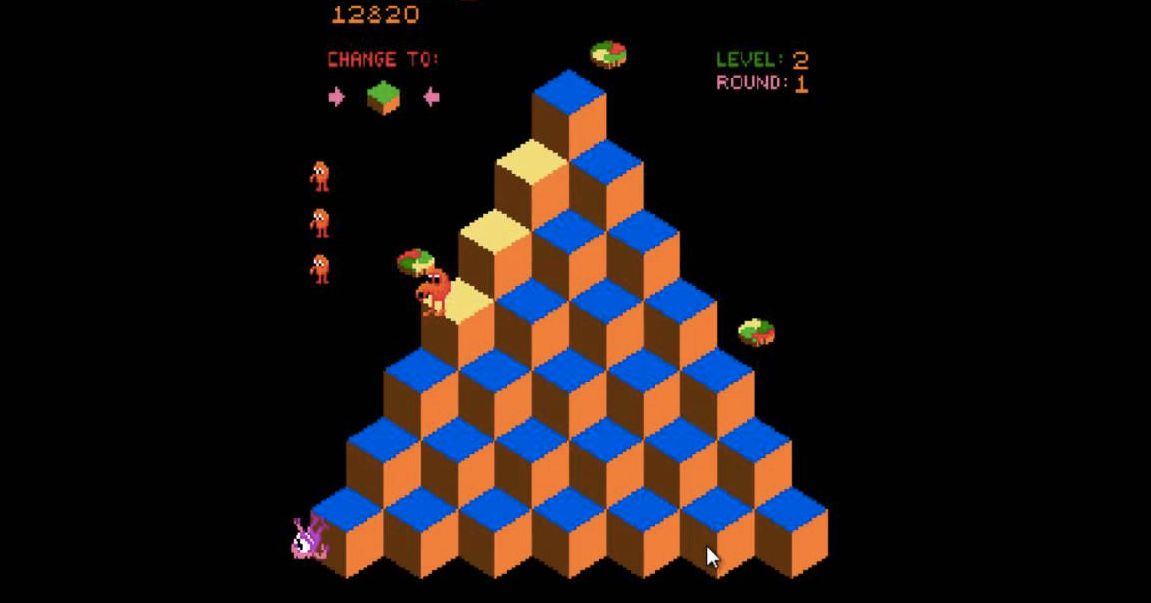

The man who bottled evolution
Thirty years ago, MSU researcher Richard Lenski added his now-famous bacteria to 12 inaugural flasks, a process he and his team of lab technicians and students have been repeating daily ever since.
Read More
Why Women Choose Differently at Work
What does the most recent data on women’s preferences regarding work tell us?
Read More
IBM Is Sending a Floating Robot Head Into Space
Called CIMON (Crew Interactive Mobile Companion), the new crew member is about the size of a medicine ball and will work alongside human astronauts in space. The “floating brain” is equipped with IBM’s Watson artificial intelligence technology and is expected to assist astronauts during the European Space Agency’s Horizons mission in June.
Read More


Seeing the brain’s electrical activity
MIT researchers have come up with a new way to measure electrical activity in the brain. Their new light-sensitive protein can be embedded into neuron membranes, where it emits a fluorescent signal that indicates how much voltage a particular cell is experiencing. This could allow scientists to study how neurons behave, millisecond by millisecond, as the brain performs a particular function.
Read More

Long Term Depression Permanently Changes the Brain
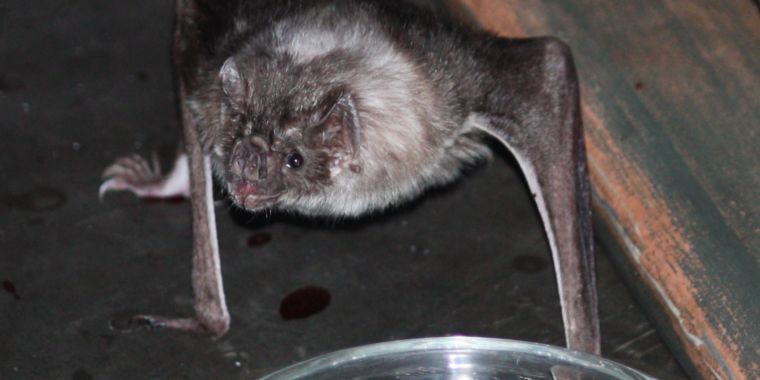
New brain imaging research from the Centre for Addiction and Mental Health (CAMH) shows that the brain alters after years of persistent depression, suggesting the need to change how we think about depression as it progresses.
Read More

Probabilistic Programming and Bayesian Methods for Hackers
Bayesian Methods for Hackers is designed as a introduction to Bayesian inference from a computational/understanding-first, and mathematics-second, point of view. Of course as an introductory book, we can only leave it at that: an introductory book. For the mathematically trained, they may cure the curiosity this text generates with other texts designed with mathematical analysis in mind.
Read More
African rainforests vanished for 600 years, then bounced back—why?
Three thousand years ago, dense old-growth rainforests covered most of central Africa. But around 2,600 years ago, an event that ecologists call the Late Holocene Rainforest Crisis occurred, and the forests suddenly gave way to savannas dotted with islands of trees. Six hundred years later, the forests grew back almost as swiftly as they had vanished.
Read More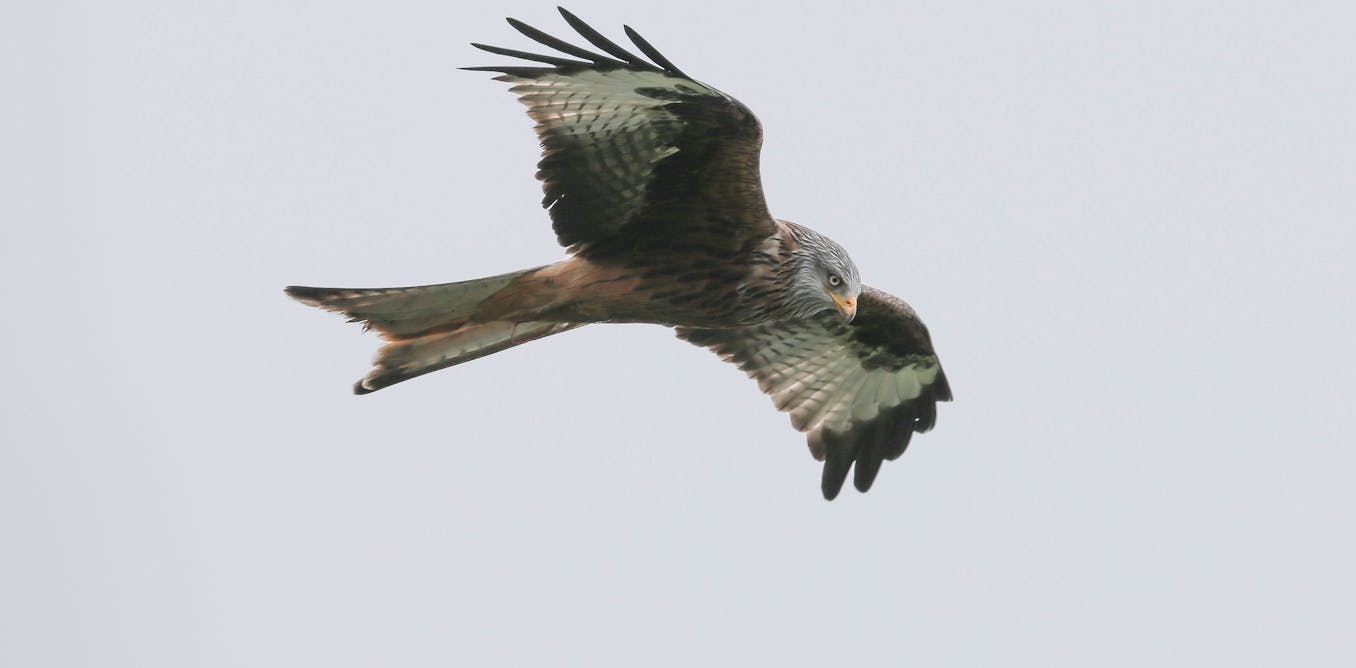
Western science catching up to Indigenous Traditional Knowledge
The latest discovery has taken this assessment to new heights, literally. A team of researchers led by Mark Bonta and Robert Gosford in northern Australia has documented kites and falcons, colloquially termed “firehawks,” intentionally carrying burning sticks to spread fire. While it has long been known that birds will take advantage of natural fires that cause insects, rodents and reptiles to flee and thus increase feeding opportunities, that they would intercede to spread fire to unburned locales is astounding.
Read More