Brian Kernighan Remembers the Origins of ‘grep’
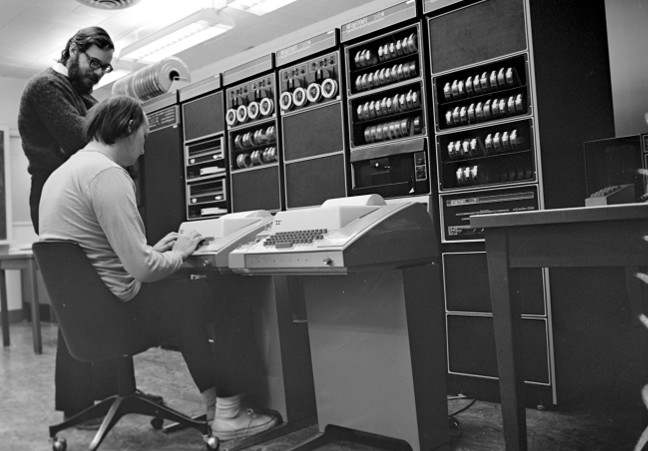
This month saw the release of a fascinating oral history, in which 76-year-old Brian Kernighan remembers the origins of the Unix command grep. Kernighan is already a legend in the world of Unix— recognized as the man who coined the term Unix back in 1970. His last initial also became the “k” in awk — and the “K” when people cite the iconic 1978 “K&R book” about C programming.
Read More
Ancient Rome’s Collapse Is Written into Arctic Ice
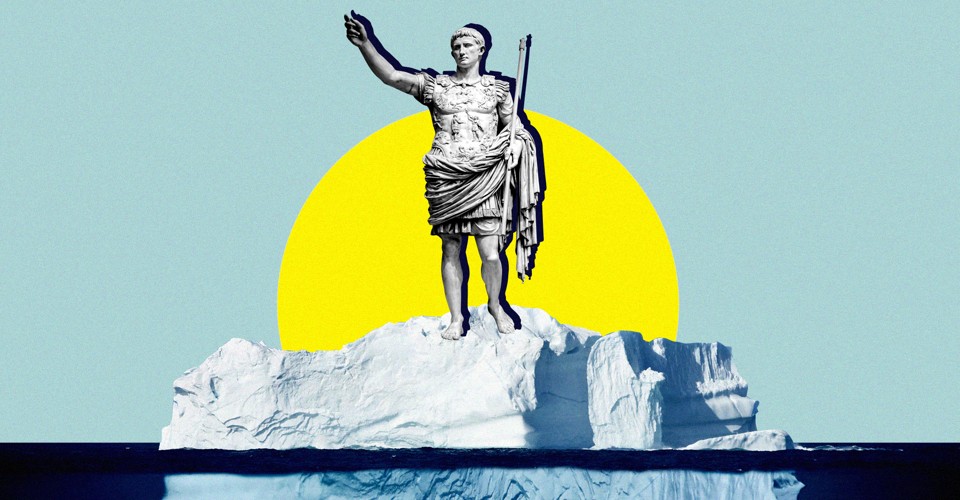
On March 15, some time ago, several dozen famous politicians—sturdy men, duly elected senators who claimed to love their republic—attacked their chief executive while he walked into the Senate. They stabbed Gaius Julius Caesar 23 times, as he fell to the floor, defenseless, and bled to death, setting off a chain of wars that formally ended the Roman Republic and initiated the Roman Empire. Some 2,062 years have passed since that day, but we haven’t stopped arguing about it.
Read More
The popular creation story of astronomy is wrong
In the early years of the 17th century, Johannes Kepler argued that the universe contained thousands of mighty bodies, bodies so huge that they could be universes themselves. These giant bodies, said Kepler, testified to the immense power of, as well as the personal tastes of, an omnipotent Creator God. The giant bodies were the stars, and they were arrayed around the sun, the universe’s comparatively tiny central body, itself orbited by its retinue of still tinier planets.
Read More
Treadmills Were Meant to Be Atonement Machines
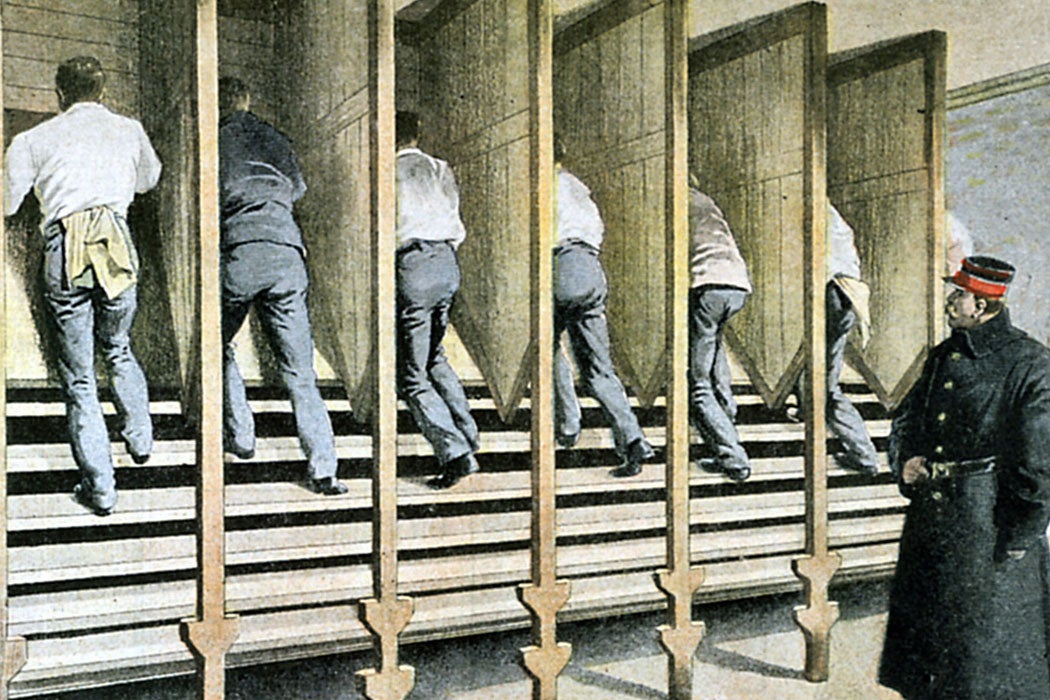
If you are one of the 51.8 million people in the U.S. who use a treadmill for exercise, you know there’s much pain for your muscle-and-fitness gain. On your next 30-minute jog, as you count down the final seconds, ponder whether the hard work made you a better person. Consider whether the workout would feel different if you had powered something, even a fan to cool yourself off.
Read More
Artificial Intelligence Opens the Vatican Secret Archives
Known as In Codice Ratio, it uses a combination of artificial intelligence and optical-character-recognition (OCR) software to scour these neglected texts and make their transcripts available for the very first time. If successful, the technology could also open up untold numbers of other documents at historical archives around the world.
Read More
Civilization Is Built on Code
The word “code” derives from the Latin codex, meaning “a system of laws.” Today “code” is used in various distinct contexts—computer code, genetic code, cryptologic code (such as Morse code), ethical code, building code, and so forth—each of which has a common feature: They all contain instructions that describe a process. Computer code requires the action of a compiler, energy, and (usually) inputs in order to become a useful program.
Read More


Soviet-Era Industrial Design
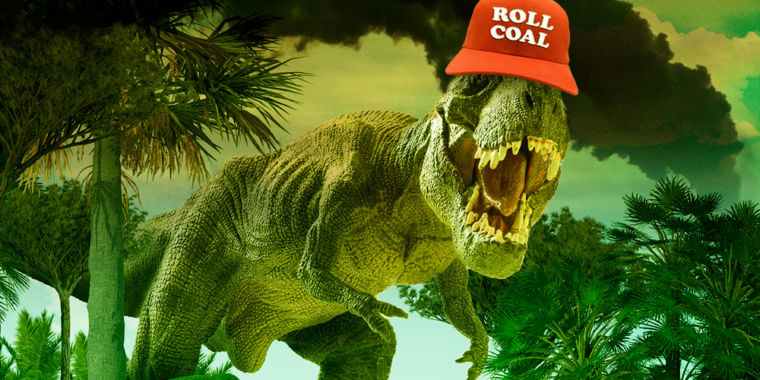
From domestic appliances to clothing to children’s toys, everyday items from Soviet life are the subject of the new book Designed in the USSR: 1950 – 1989. It’s a comprehensive look at a momentous four decades, in which otherwise mundane products often had an additional purpose: to replicate items from the West, or to promote Soviet achievements.
Read More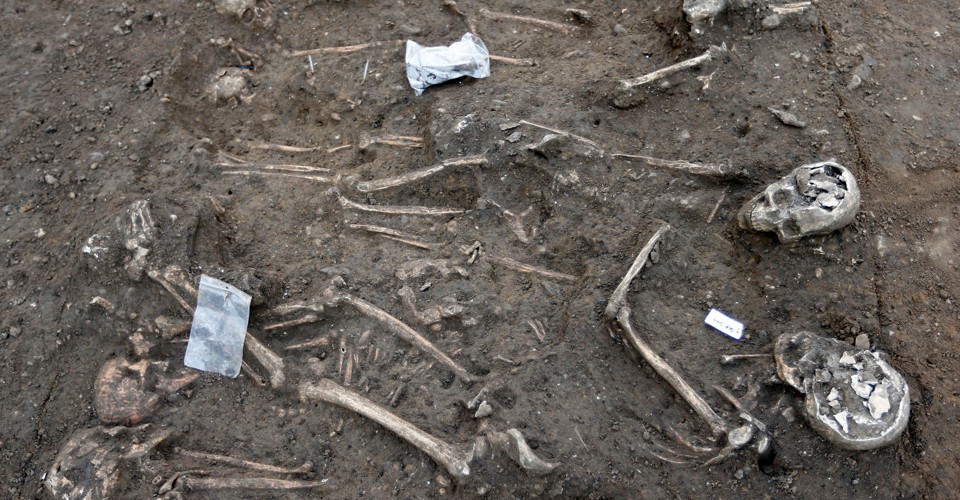
Was there a civilization on Earth before humans?
Schmidt is the director of NASA’s Goddard Institute for Space Studies (a.k.a. GISS) a world-class climate-science facility. One day last year, I came to GISS with a far-out proposal. In my work as an astrophysicist, I’d begun researching global warming from an “astrobiological perspective.”
Read More

The Art of Soldering
The story of solder, the unsung hero of the digital revolution that benefits from a low melting point. It’s what keeps the circuits attached to the silicon.
Read More
Iron Age study targets British DNA mystery
A recent study showed that the present-day genetic landscape of Britain was largely laid down by the Bronze Age.
Read More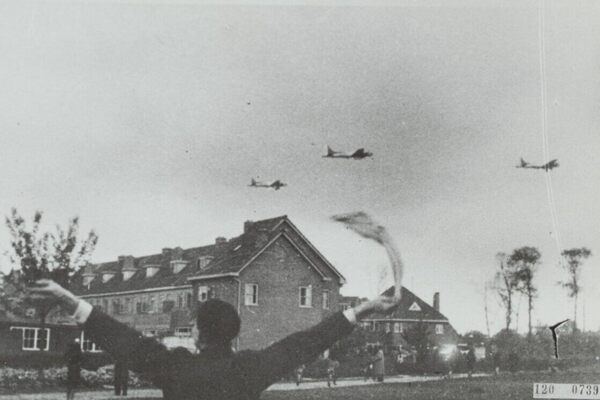

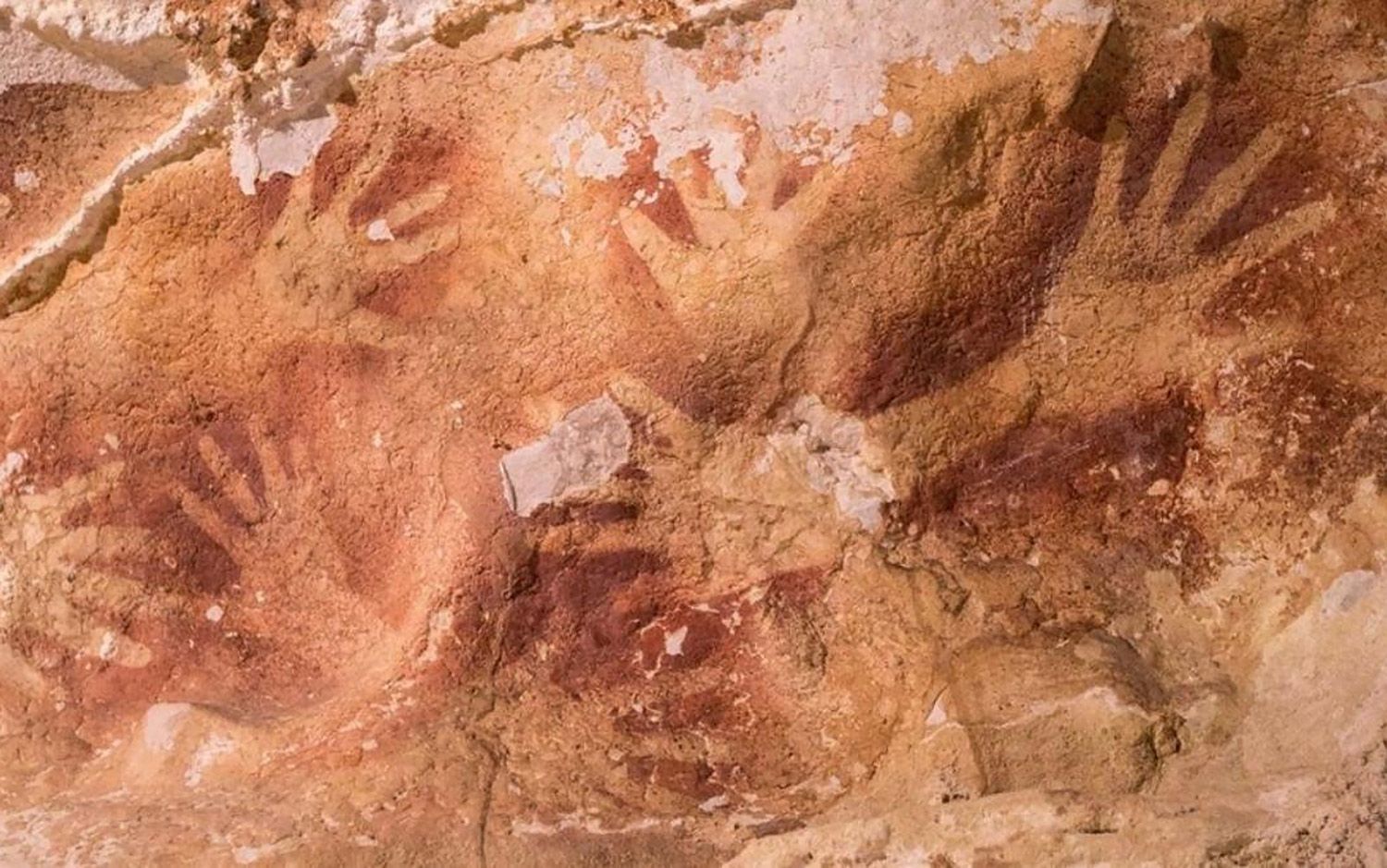
In to Asia
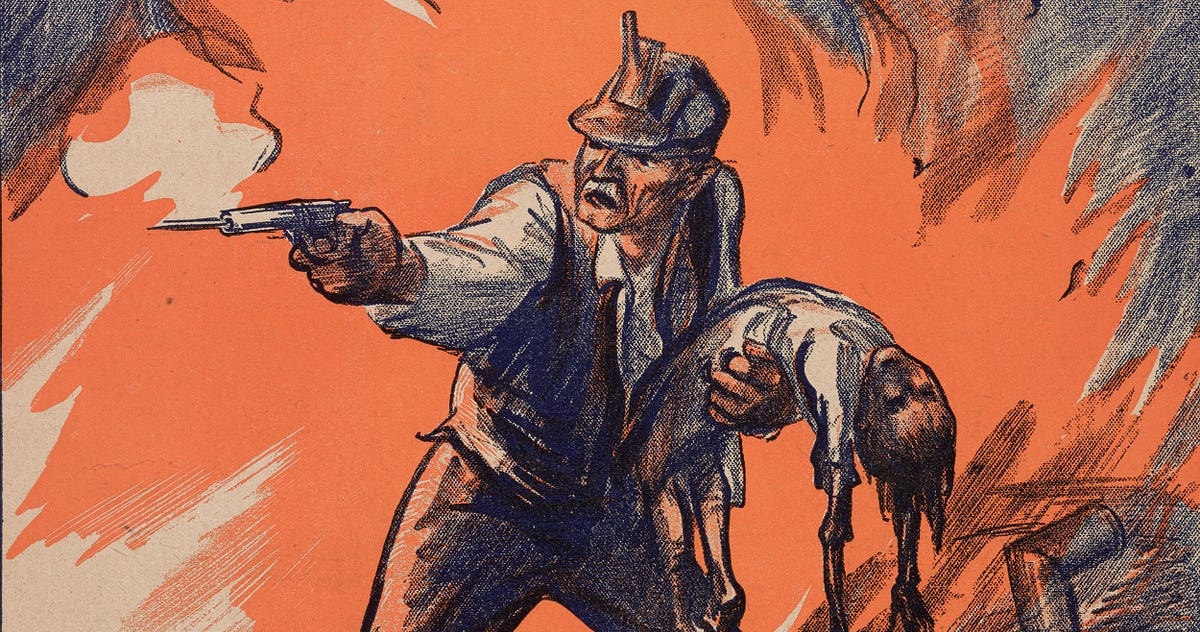
Modern humans arose only once, in Africa, about 200,000 years ago. They then spread across Eurasia some time after 60,000 years ago, replacing whatever indigenous populations they met with no interbreeding. This is the ‘Out of Africa’ model, as it’s commonly known.
Read More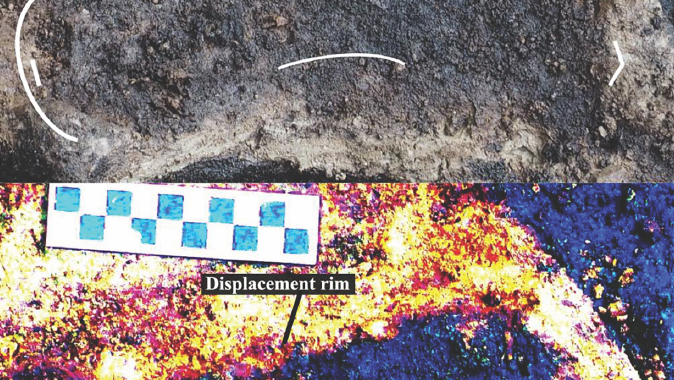
13,000-year-old human footprints discovered in British Columbia
Thirteen thousand years ago, a small group of people walked on a beach on one of the thousands of low islands off the coast of British Columbia. These walkers were some of the first humans to settle here.
Read More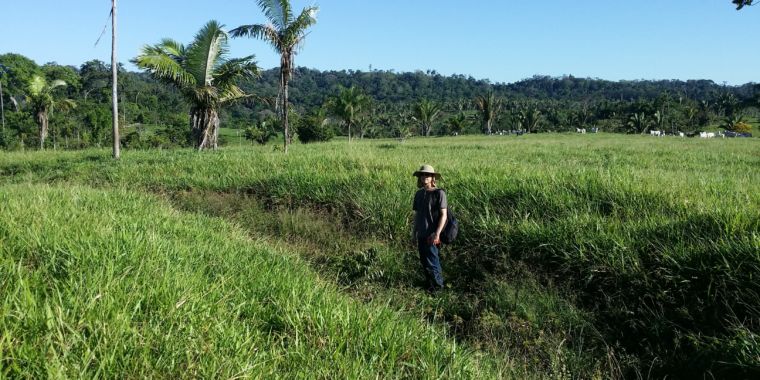
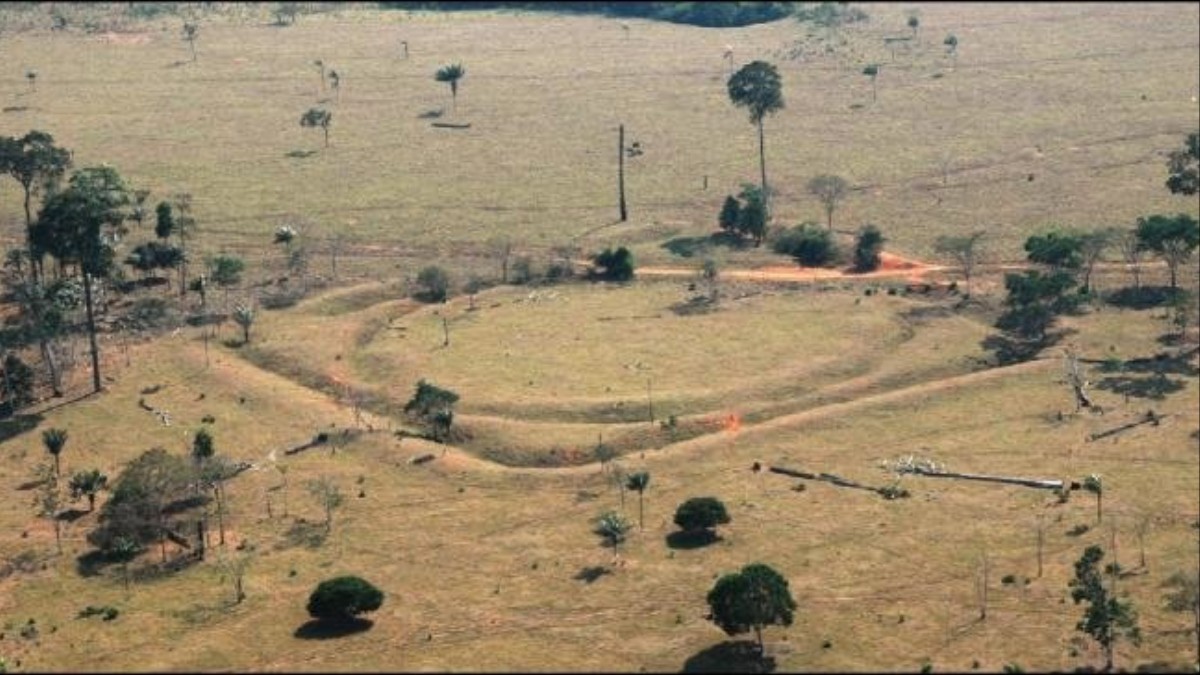

A giant aircraft carrier built from ice
Britain was losing the Battle of the Atlantic, with German U-boats sinking ship after ship. Enter Project Habakkuk, the incredible plan to build an aircraft carrier from ice.
Read More
Five new ancient genomes tell us about Neanderthal tribes
The researchers, led by Mateja Hajdinjak at the Max Planck Institute for Evolutionary Anthropology, extracted tiny amounts of bone or tooth powder—sometimes as little as 9mg—and used a chemical process to remove modern genetic contamination. They also checked for the telltale signs of degradation found in ancient DNA.
Read More
Anti-anti-communism
A 2009 poll in eight east European countries asked if the economic situation for ordinary people was ‘better, worse or about the same as it was under communism’. The results stunned observers: 72per cent of Hungarians, and 62per cent of both Ukrainians and Bulgarians believed that most people were worse off after 1989. In no country did more than 47per cent of those surveyed agree that their lives improved after the advent of free markets.
Read More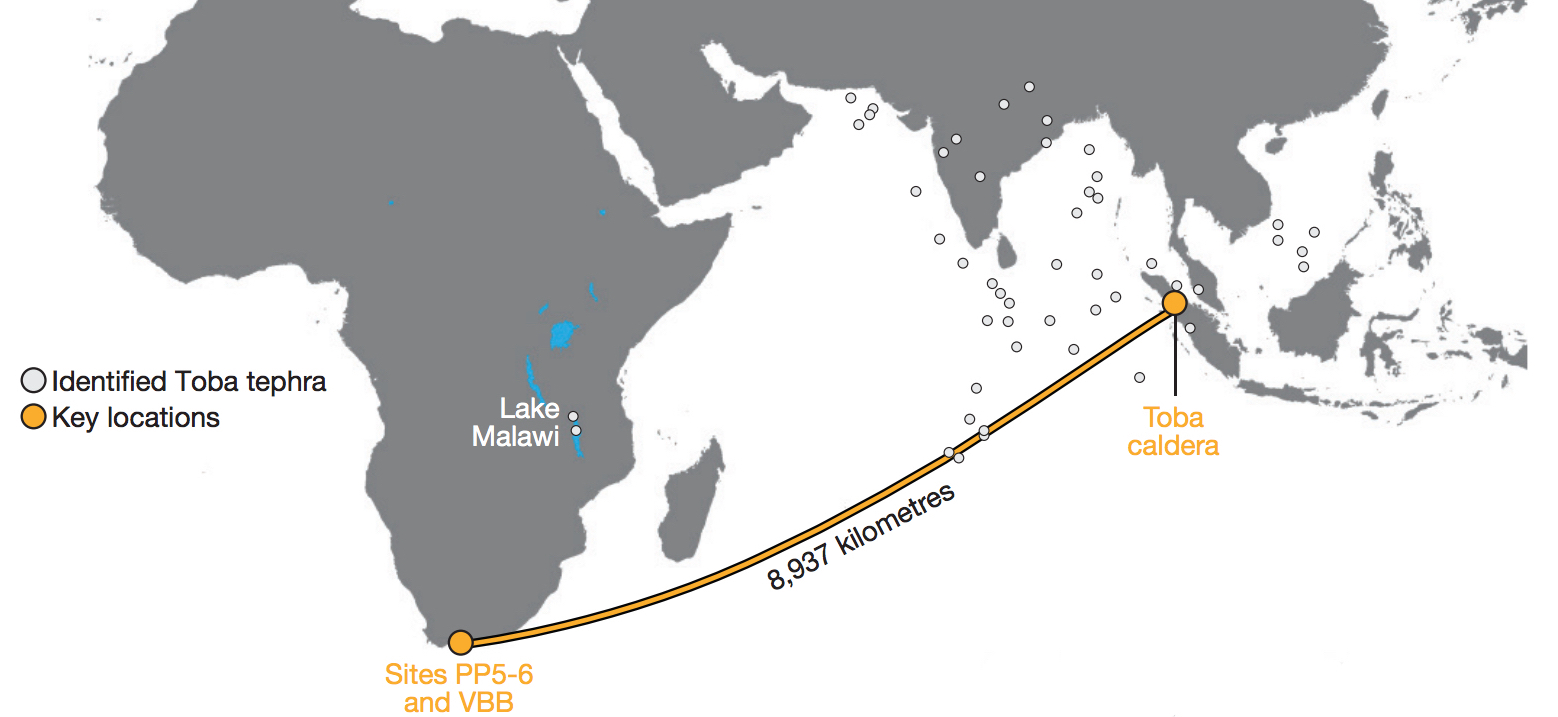

The shape of life
Last spring, the geobiologist Dominic Papineau and colleagues reported that fossilised microorganisms were identified in 3.77-4.28-billion-year-old iron-rich rock in Quebec: hematite tubes and filaments whose appearance is similar to microorganisms that today live in hydrothermal vents. Others dismissed their findings as ‘dubiofossils’, a term the geologist Hans Hofmann coined in 1972 to describe controversial fossils. ‘Fossils,’ Hofmann wrote, were proven biological; ‘pseudofossils’ resembled life but were inorganic; ‘dubiofossils’ (also known as Problematica or Miscellanea) were equivocal.
Read More
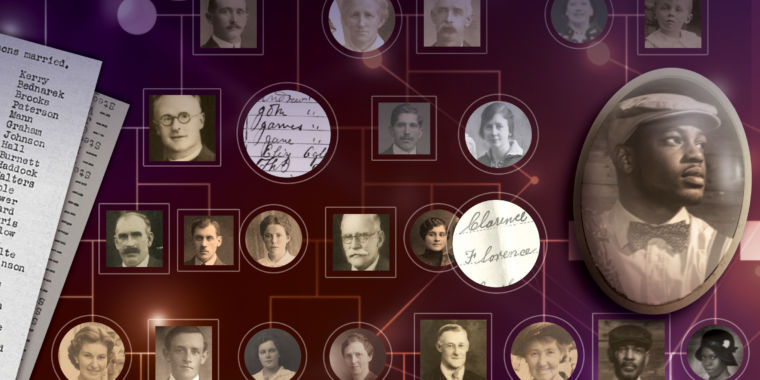
Ancient DNA Is Rewriting Human and Neanderthal History
Geneticist David Reich used to study the living, but now he studies the dead. The precipitating event came in the form of 40,000-year-old Neanderthal bones found in a Croatian cave. So well-preserved were the bones that they yielded enough DNA for sequencing, and it became Reich’s job in 2007 to analyze the DNA for signs that Neanderthals interbred with humans—a idea he was “deeply suspicious” of at the time.
Read More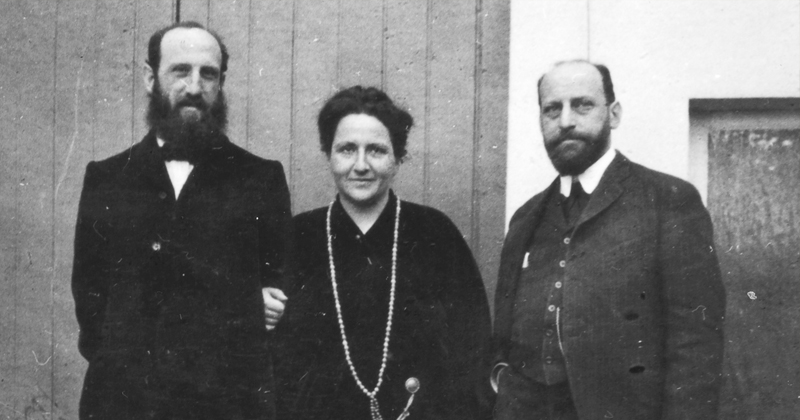
How Leo and Gertrude Stein Revolutionized the Art World
If Picasso and Matisse were rivals from almost the first moment each knew of the other’s existence, the contest was driven as much by those cheering from the sidelines as by their own considerable egos. It was Montmartre versus the Latin Quarter, the bande à Picasso versusthe Fauves, the dark voodoo of the Spaniard versus the Apollonian grace of the Frenchman. For the most part the competition was respectful, but it could occasionally devolve into childish stunts.
Read MoreDigitising books as objects: The invisible made visible
Technology has improved immensely since then and a lot of ‘ink’ has been spread across physical and virtual pages about the remit, the limitations and the advantages of what is offered to the public through the surrogates uploaded onto countless web portals. This piece is just another little drop into this ocean of ink to share some considerations built upon experience and from the perspective of a book conservator who sees, because of his professional background, the limitations of this, but also the exciting challenges to overcome them.
Read More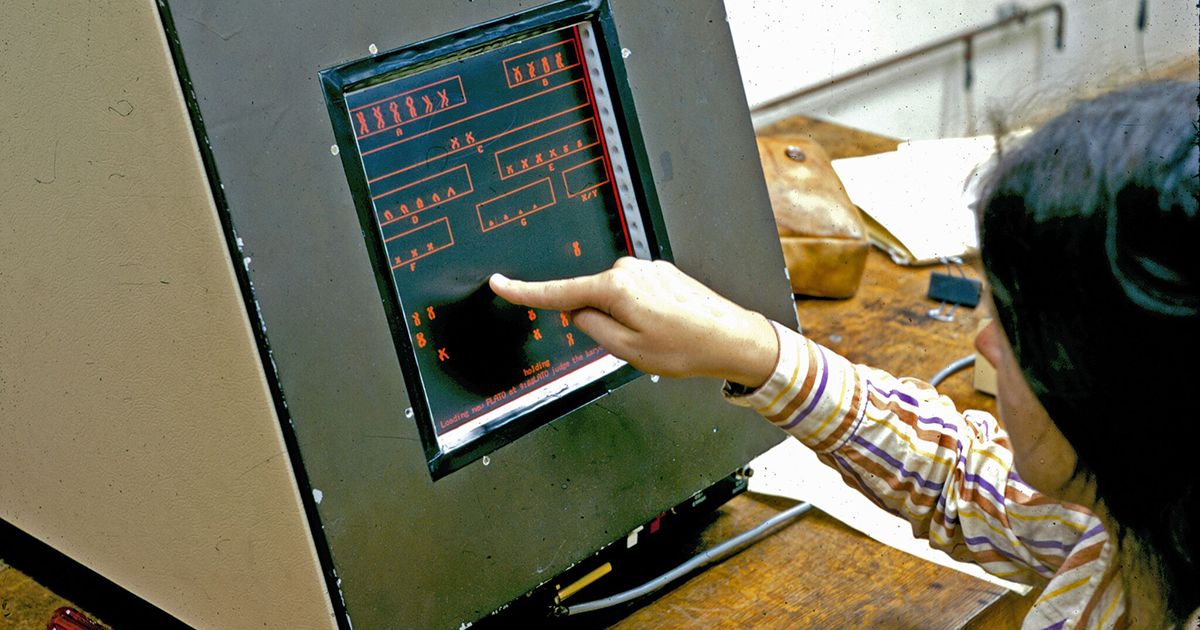
A Look Back at the 1960s PLATO Computing System
In the 1960s, researchers at the University of Illinois Urbana—Champaign developed a computer system that they hoped would expand access to education. They envisioned instructors usingthe system to build lessons, and students stationing themselves at machines—whose touchscreen plasma displays had a distinct orange glow—to complete coursework.
Read More

Did plants cause one of Earth’s great extinctions?
Clues are hard to come by when you’re trying to look back to a time when the continents clumped together like a closed fist. But geologists have found evidence that plants, the most gentle of organisms, may have helped kill most of the life in the oceans 374 million years ago.
Read More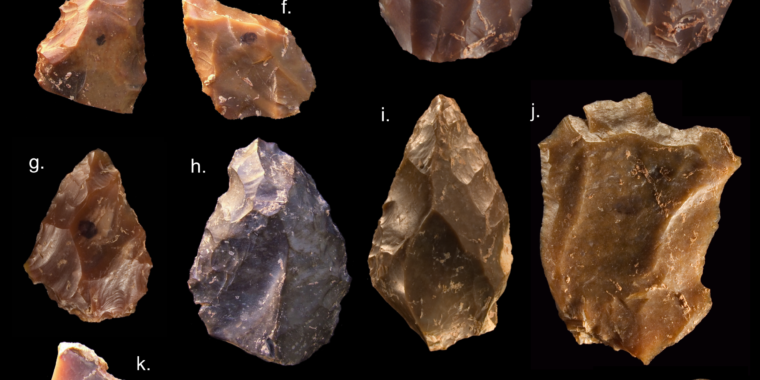
New study tracks the evolution of stone tools
For at least 2.6 million years, humans and our ancestors have been making stone tools by chipping off flakes of material to produce sharp edges. We think of stone tools as very rudimentary technology, but producing a usable tool without wasting a lot of stone takes skill and knowledge. That’s why archaeologists tend to use the complexity of stone tools as a way to measure the cognitive skills of early humans and the complexity of their cultures and social interactions.
Read More
Exploring the Linguistics Behind Regular Expressions
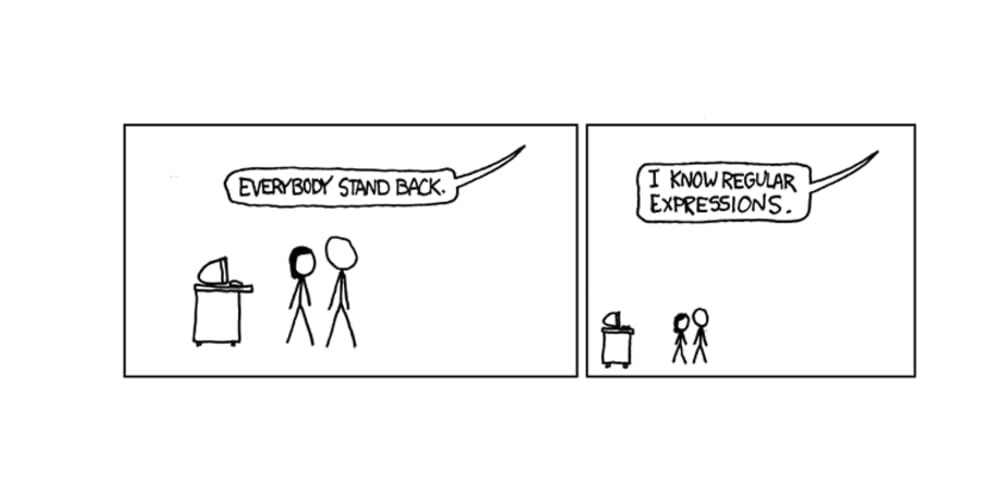
Little did I know that learning about Chomsky would drag me down a rabbit hole back to regular expressions, and then magically cast regular expressions into something that fascinated me. What enchanted me about regular expressions was the homonymous linguistic concept that powered them.
Read More
The Birth of A.I.
Waze famously disrupted GPS navigation by crowdsourcing user data from mobile phones, instead of purchasing costly sensors tied to city infrastructure, as Nokia had done before them. Waze then scaled with low overhead costs by using machine learning algorithms to find precise traffic patterns that optimized each user’s route. The end result of this dynamic was massive layoffs at Nokia, and Google’s acquisition of / integration with Waze in 2013.
Read More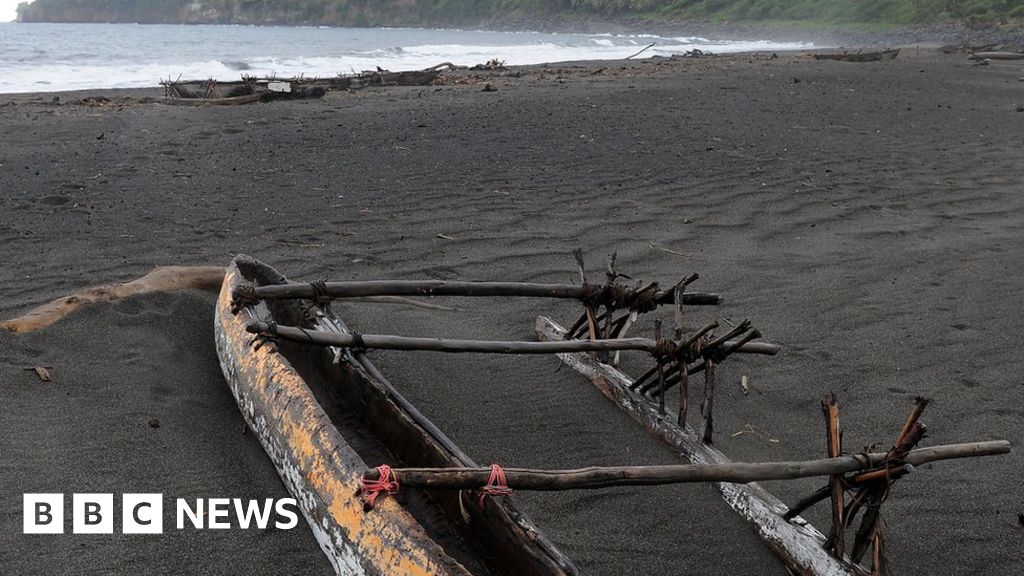
DNA Sheds Light On Settlement of Pacific
Two genetic studies shed light on the epic journeys that led to the settlement of the vast Pacific region by humans.
Read More