News
- Home /
- News
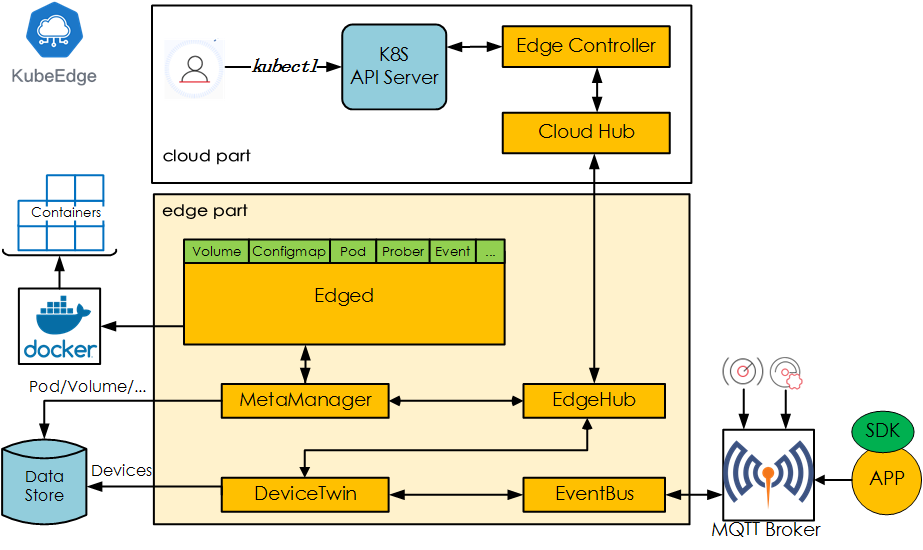
Blog: KubeEdge, a Kubernetes Native Edge Computing Framework
KubeEdge becomes the first Kubernetes Native Edge Computing Platform with both Edge and Cloud components open sourced! Open source edge computing is going through its most dynamic phase of development in the industry. So many open source platforms, so many consolidations and so many initiatives for standardization!
Read More
Deep Dive into Cilium Multi-cluster
Let’s review some of the use cases of connecting multiple Kubernetes clusters before we dive into the implementation details. High availability is the most obvious use case for most. This use case includes operating Kubernetes clusters in multiple regions or availability zones and runs the replicas of the same services in each cluster.
Read More
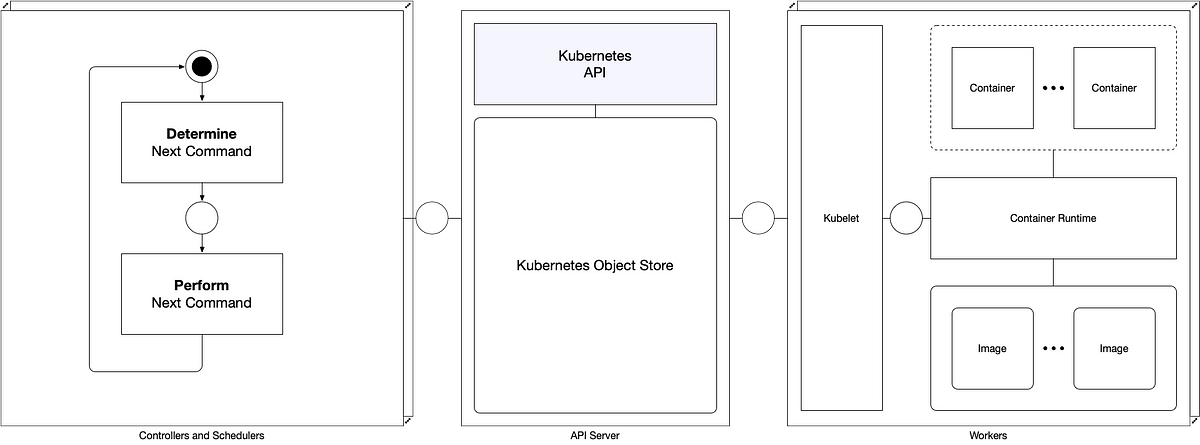
Inside Kubernetes RBAC
Kubernetes is a Container Orchestration Engine designed to host containerized applications on a set of nodes, commonly referred to as a cluster. Using a systems modeling approach, this series aims to advance the understanding of Kubernetes and its underlying concepts. The Kubernetes API is an Http API that provides Create/Read/Update/Delete access to query and modify the Kubernetes Object Store.
Read More
Back to Traefik 2.0
Back in 2015, a revolution was under way. We were moving from manual, handcrafted infrastructures, to container-based, industrial, and human-free platforms. In those dark ages of orchestration, edge traffic was remarkably difficult to manage.
Read More
Open Sourcing Peloton, Uber’s Unified Resource Scheduler
First introduced by Uber in November 2018, Peloton, a unified resource scheduler, manages resources across distinct workloads, combining separate compute clusters. Peloton is designed for web-scale companies like Uber with millions of containers and tens of thousands of nodes. Peloton features advanced resource management capabilities such as elastic resource sharing, hierarchical max-min fairness, resource overcommits, and workload preemption.
Read More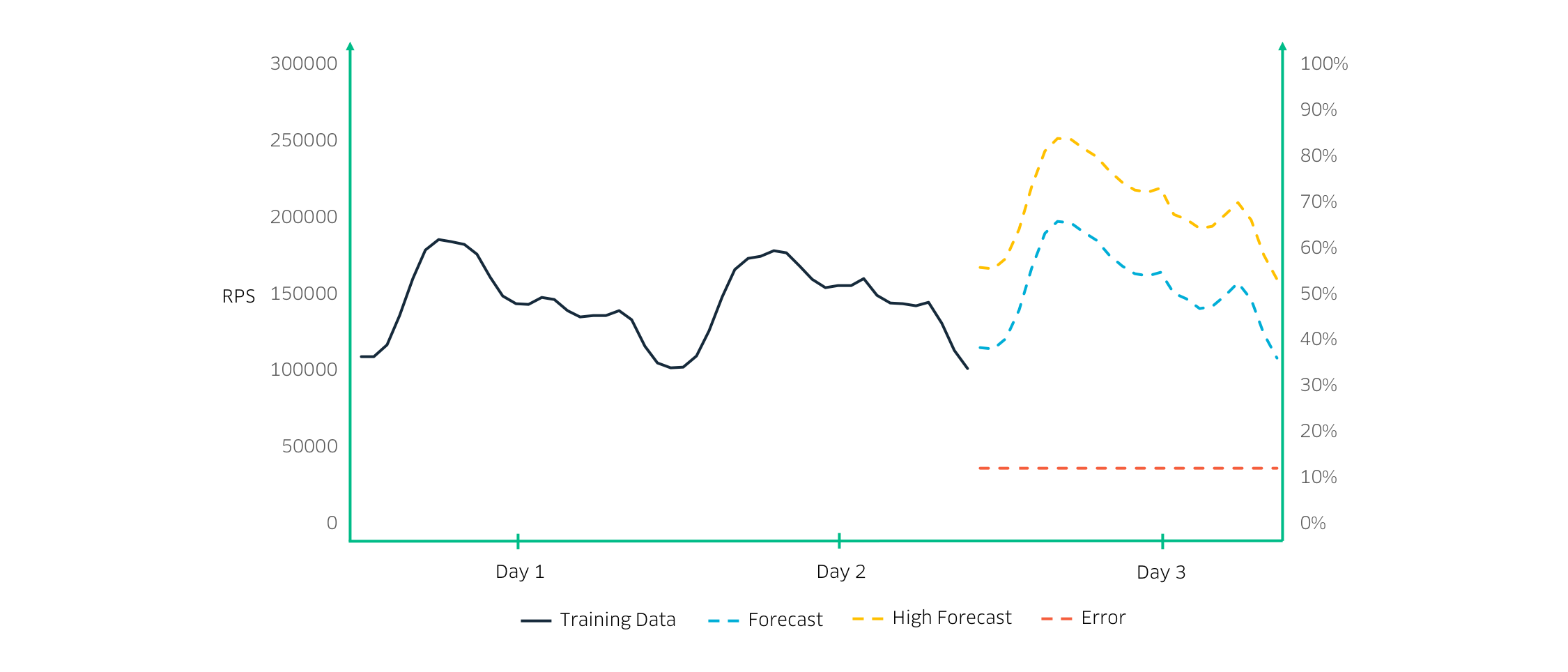

Ambassador and the Cloud Native Ecosystem—Part 1: Monitoring
In a Cloud Native world, microservices are running with ephemeral containers that are regularly deployed to multiple availability zones, regions, and even multiple clouds. As these cloud native applications become more complex, our supporting solutions like monitoring, have also had to become more complex. Today, more traditional monitoring responsibilities are being automated, and monitoring has become less human centric.
Read More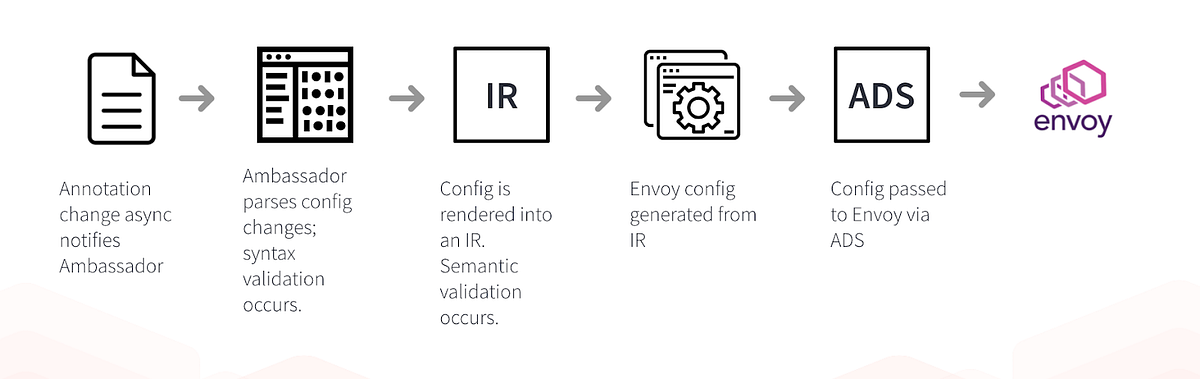
Categories
Tags
- 3dprinting
- 5g
- Ai
- Alexa
- Algorithm
- Amazon
- Ambassador
- Ansible
- Api
- Apple
- Appmesh
- Appswitch
- Argo
- Art
- Artificialintelligence
- Astronomy
- Augmentedreality
- Aurora
- Australia
- Authentication
- Automation
- Aws
- Azure
- Bayesian
- Bgp
- Bigdata
- Bioengineering
- Biology
- Blackhole
- Blockchain
- Brain
- Build
- Buildah
- Business
- Cancer
- Casestudy
- China
- Chip
- Cia
- Cicd
- Cilium
- Climatechange
- Cloud
- Cloudnative
- Cncf
- Codeanalysis
- Computing
- Connectedcars
- Consul
- Container
- Coredns
- Creativity
- Crio
- Crispr
- Cubesat
- Culture
- Dashboard
- Data
- Database
- Datacenter
- Datadog
- Datascience
- Dataset
- Deeplearning
- Deepmind
- Developer
- Development
- Devops
- Digitalcurrency
- Dna
- Dns
- Docker
- Drone
- Ec2
- Economy
- Education
- Einstein
- Eks
- Elasticsearch
- Electricvehicle
- Emdrive
- Energy
- Engineering
- Envoy
- Erlang
- Esa
- Facialrecognition
- Fail
- Falco
- Fashion
- Fda
- Federation
- Fitnessfunction
- Flair
- Fluentd
- Flutter
- Flyingcars
- Food
- Funny
- Gaia
- Gcp
- Gdpr
- Genome
- Geography
- Geopolitics
- Gis
- Git
- Github
- Gitlab
- Gitops
- Gloo
- Go
- Gps
- Grafana
- Graphene
- Graphql
- Grpc
- Hashicorp
- Health
- Healthcare
- Helm
- Hft
- Highavailability
- History
- Hurricane
- Hyperloop
- Iac
- Ibm
- Image
- Imagerecognition
- Ingress
- Innovation
- Intel
- Ios
- Iot
- Istio
- Jaeger
- Jenkins
- Kafka
- Keras
- Kiali
- Knative
- Kubedb
- Kubeedge
- Kubernetes
- Lambda
- Latinamerica
- Legal
- Lidar
- Linkerd
- Linux
- Lyft
- M3
- Machinelearning
- Mars
- Math
- Microservices
- Microsoft
- Mobile
- Mongo
- Monitoring
- Moon
- Multicloud
- Multicluster
- Mysql
- Nanorobot
- Nasa
- Nature
- Navigation
- Network
- Networking
- Newrelic
- News
- Nextjs
- Nlp
- Nlu
- Observability
- Onnx
- Onpremise
- Opencensus
- Openmetrics
- Opentracing
- Openwhisk
- Operator
- Opinion
- Outage
- Perforce
- Performance
- Pharma
- Philosophy
- Physics
- Podman
- Postgres
- Pprof
- Presto
- Privacy
- Programming
- Prometheus
- Protocol
- Psychology
- Python
- Pytorch
- Qa
- Quantum
- Quantumcomputing
- Qubit
- React
- Recycling
- Redis
- Release
- Renewable
- Research
- Resilience
- Rnn
- Robot
- Rook
- Scalability
- Scaling
- Science
- Secrets
- Security
- Selfdrivingcars
- Sentry
- Serverless
- Servicemesh
- Slack
- Smartgrid
- Smi
- Sociology
- Space
- Spacex
- Spacy
- Spark
- Spinnaker
- Sql
- Squash
- Sre
- Startup
- Storage
- Study
- Success
- Swift
- Sysdig
- Tailwind
- Technology
- Tensorflow
- Terraform
- Tesla
- Testcategory1
- Textclassification
- Traefik
- Training
- Transportation
- Troubleshooting
- Uber
- Ubi
- Vault
- Velero
- Versioncontrol
- Video
- Virtualreality
- Vision
- Visualization
- Vitess
- Warfare
- Wd
- Web
- Weird
- Wikipedia