News
- Home /
- News

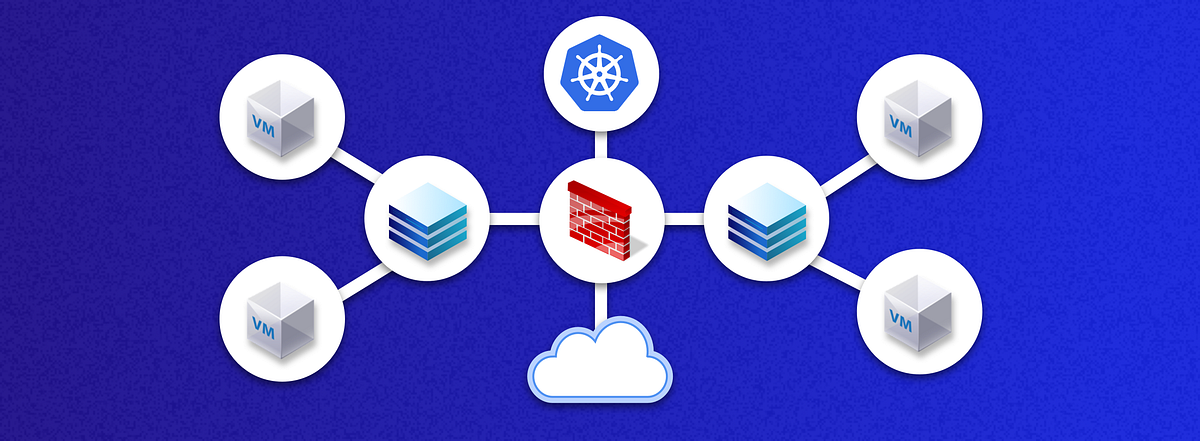
Docker and Kubernetes in high security environments
This is brief summary of parts of my master’s thesis and the conclusions to draw from it. This medium-story focuses on containerized application isolation. The thesis also covers segmentation of cluster networks in Kubernetes which is not discussed in this story.
Read More
Reaching for the Stars with Ansible Operator
In this post I will show you how to use Roles published to Ansible Galaxy as an Operator to manage an application in Kubernetes. Reusing a Role in this way provides an example of how to create an Operator that simply installs an application with the flexibility to expand and customize the behavior organically as requirements dictate. I will leverage both the Ansible Operator and the k8s module to demonstrate how you can use Ansible to create Kubernetes native applications.
Read More
The math’s not pretty on digital advertising’s future revenues?
How much is Google worth? Today, its market cap—the total value of the company—was just over $690 billion. It is the largest media corporation in the world, earning $79 billion on media revenue out of a total of $90 billion in overall revenue.
Read More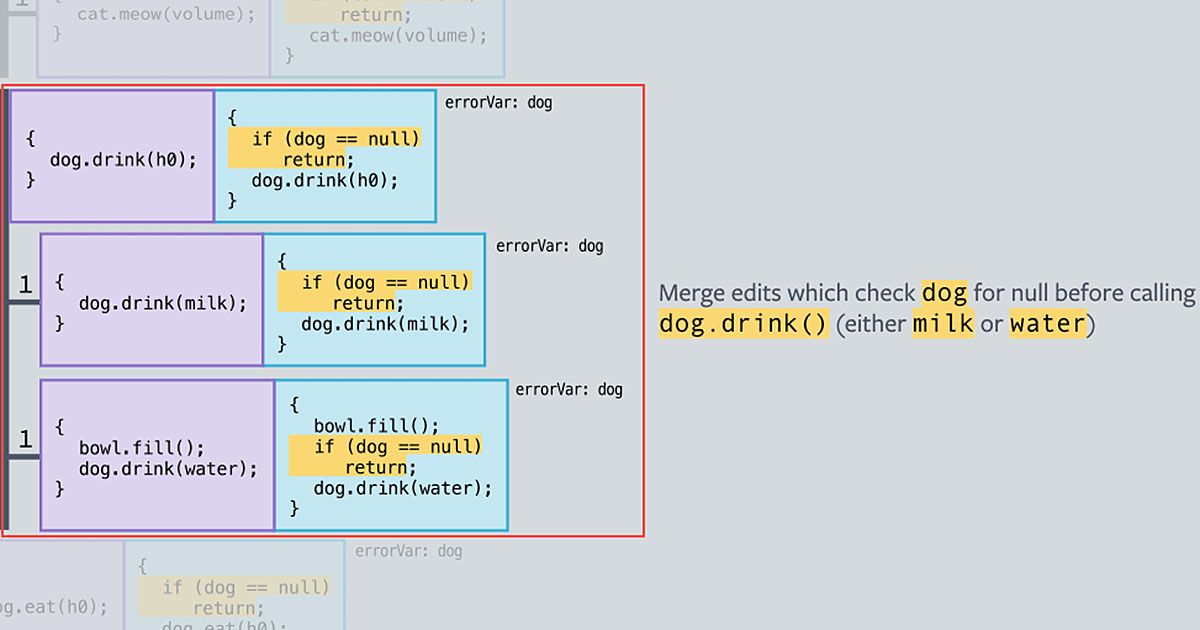

Cloud Native Computing Foundation Announces CoreDNS Graduation
SAN FRANCISCO, Calif., January 24, 2018 – The Cloud Native Computing Foundation® (CNCF®), which sustains open source technologies like Kubernetes® and Prometheus™, today announced that CoreDNS is the first project of 2019 to graduate, following last year’s graduations of Kubernetes, Prometheus, and Envoy. To move from the maturity level of incubation to graduation, projects must demonstrate thriving adoption, diversity, a formal governance process, and a strong commitment to community sustainability and inclusivity. CoreDNS is a fast, flexible, and modern DNS server that also provides service discovery in cloud native deployments.
Read More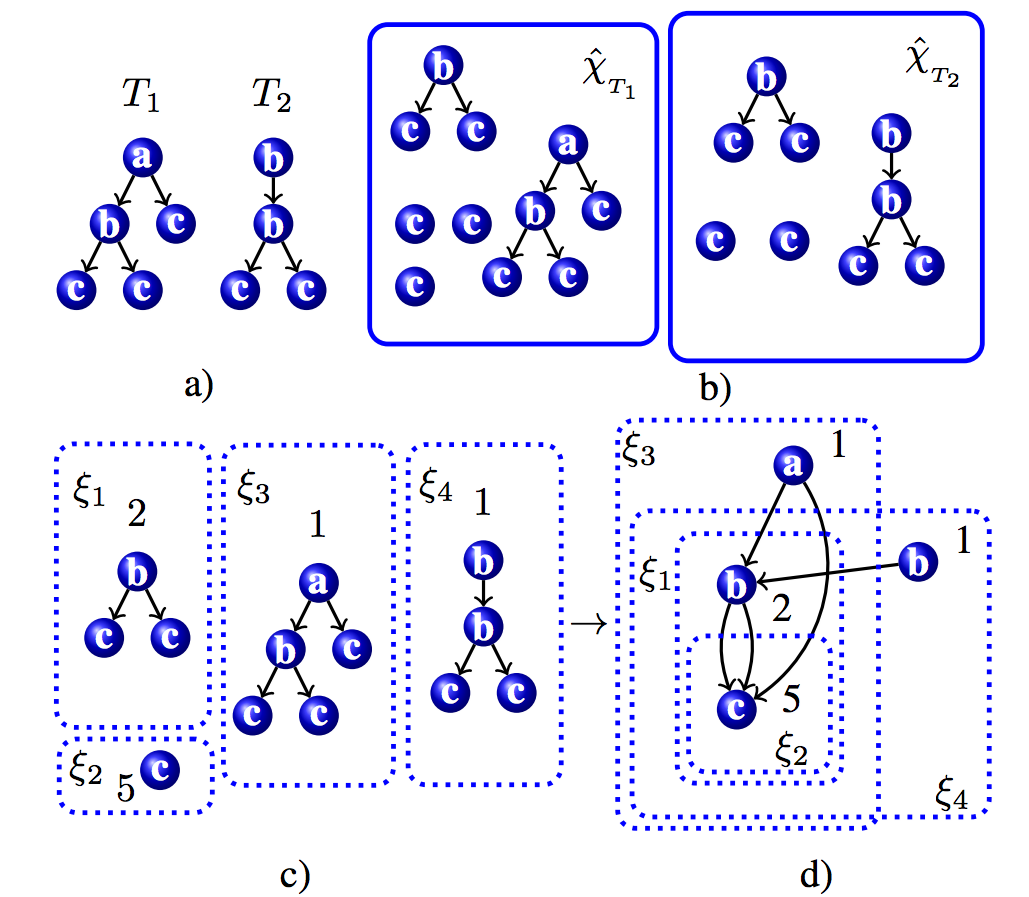

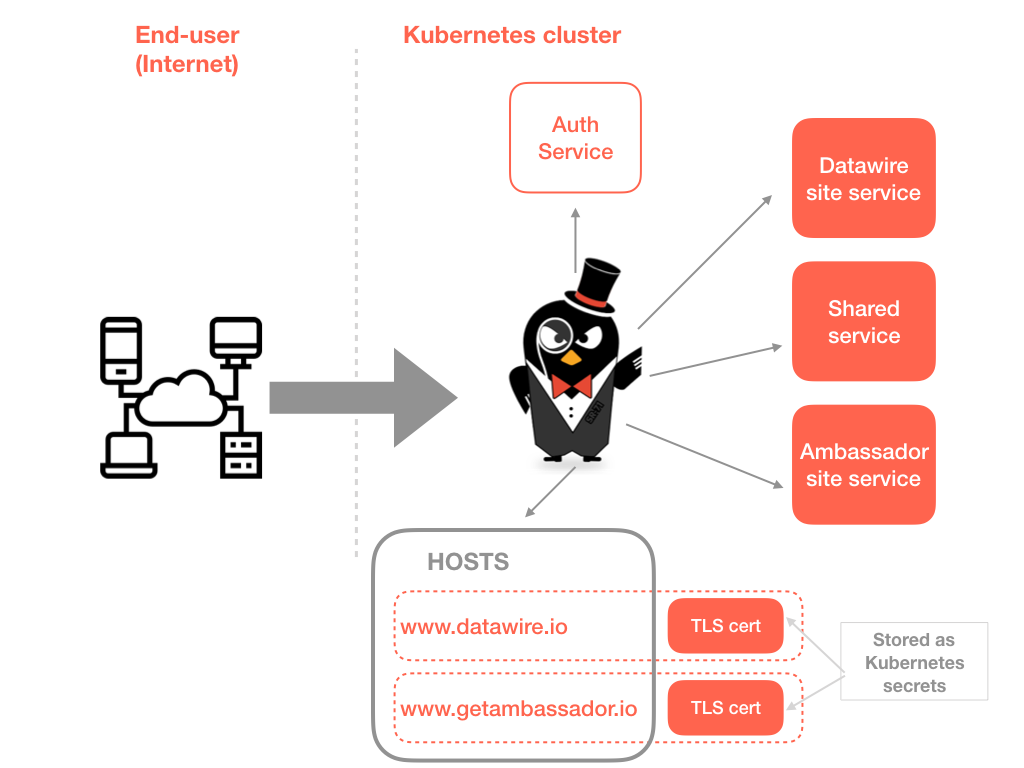
Server Name Indication (SNI) Support Now in Ambassador
We’ve discussed many interesting use cases for SNI support within the edge proxy/gateway with both open source and commercially supported users of Ambassador. In a nutshell (and with thanks to Wikipedia), SNI is an extension to the TLS protocol which allows a client to indicate which hostname it is attempting to connect to at the start of the TCP handshaking process. This allows the server to present multiple certificates on the same IP address and TCP port number, which in turn enables the serving of multiple secure websites or API services without requiring all those sites to use the same certificate.
Read More
AI Blueprints: Implementing content-based recommendations using Python
In this article, we’ll have a look at how you can implement a content-based recommendation system using Python and the scikit-learn library. But before diving straight into this, it’s important to have some prerequisite knowledge of the different ways by which recommendation systems can recommend an item to users. Content-based: A content-based recommendation finds similar items to a given item by examining the item’s properties, such as its title or description, category, or dependencies on other items (for example, electronic toys require batteries).
Read MoreCategories
Tags
- 3dprinting
- 5g
- Ai
- Alexa
- Algorithm
- Amazon
- Ambassador
- Ansible
- Api
- Apple
- Appmesh
- Appswitch
- Argo
- Art
- Artificialintelligence
- Astronomy
- Augmentedreality
- Aurora
- Australia
- Authentication
- Automation
- Aws
- Azure
- Bayesian
- Bgp
- Bigdata
- Bioengineering
- Biology
- Blackhole
- Blockchain
- Brain
- Build
- Buildah
- Business
- Cancer
- Casestudy
- China
- Chip
- Cia
- Cicd
- Cilium
- Climatechange
- Cloud
- Cloudnative
- Cncf
- Codeanalysis
- Computing
- Connectedcars
- Consul
- Container
- Coredns
- Creativity
- Crio
- Crispr
- Cubesat
- Culture
- Dashboard
- Data
- Database
- Datacenter
- Datadog
- Datascience
- Dataset
- Deeplearning
- Deepmind
- Developer
- Development
- Devops
- Digitalcurrency
- Dna
- Dns
- Docker
- Drone
- Ec2
- Economy
- Education
- Einstein
- Eks
- Elasticsearch
- Electricvehicle
- Emdrive
- Energy
- Engineering
- Envoy
- Erlang
- Esa
- Facialrecognition
- Fail
- Falco
- Fashion
- Fda
- Federation
- Fitnessfunction
- Flair
- Fluentd
- Flutter
- Flyingcars
- Food
- Funny
- Gaia
- Gcp
- Gdpr
- Genome
- Geography
- Geopolitics
- Gis
- Git
- Github
- Gitlab
- Gitops
- Gloo
- Go
- Gps
- Grafana
- Graphene
- Graphql
- Grpc
- Hashicorp
- Health
- Healthcare
- Helm
- Hft
- Highavailability
- History
- Hurricane
- Hyperloop
- Iac
- Ibm
- Image
- Imagerecognition
- Ingress
- Innovation
- Intel
- Ios
- Iot
- Istio
- Jaeger
- Jenkins
- Kafka
- Keras
- Kiali
- Knative
- Kubedb
- Kubeedge
- Kubernetes
- Lambda
- Latinamerica
- Legal
- Lidar
- Linkerd
- Linux
- Lyft
- M3
- Machinelearning
- Mars
- Math
- Microservices
- Microsoft
- Mobile
- Mongo
- Monitoring
- Moon
- Multicloud
- Multicluster
- Mysql
- Nanorobot
- Nasa
- Nature
- Navigation
- Network
- Networking
- Newrelic
- News
- Nextjs
- Nlp
- Nlu
- Observability
- Onnx
- Onpremise
- Opencensus
- Openmetrics
- Opentracing
- Openwhisk
- Operator
- Opinion
- Outage
- Perforce
- Performance
- Pharma
- Philosophy
- Physics
- Podman
- Postgres
- Pprof
- Presto
- Privacy
- Programming
- Prometheus
- Protocol
- Psychology
- Python
- Pytorch
- Qa
- Quantum
- Quantumcomputing
- Qubit
- React
- Recycling
- Redis
- Release
- Renewable
- Research
- Resilience
- Rnn
- Robot
- Rook
- Scalability
- Scaling
- Science
- Secrets
- Security
- Selfdrivingcars
- Sentry
- Serverless
- Servicemesh
- Slack
- Smartgrid
- Smi
- Sociology
- Space
- Spacex
- Spacy
- Spark
- Spinnaker
- Sql
- Squash
- Sre
- Startup
- Storage
- Study
- Success
- Swift
- Sysdig
- Tailwind
- Technology
- Tensorflow
- Terraform
- Tesla
- Testcategory1
- Textclassification
- Traefik
- Training
- Transportation
- Troubleshooting
- Uber
- Ubi
- Vault
- Velero
- Versioncontrol
- Video
- Virtualreality
- Vision
- Visualization
- Vitess
- Warfare
- Wd
- Web
- Weird
- Wikipedia