

Cosmonaut brains show space travel causes lasting changes
A new study of Russian space travelers adds to evidence that life among the stars has many consequences. Russian cosmonaut Alexander Skvortsov works on the International Space Station during a five-hour, 11-minute spacewalk. Science & InnovationStarstruckCosmonaut brains show space travel causes lasting changesA new study of Russian space travelers adds to evidence that life among the stars has many consequences.
Read More

SpaceX reveals mystery moon passenger, and he’s a billionaire
Elon Musk’s SpaceX has been talking up its plans to shoot tourists around the moon since early 2017. It’s finally starting to feel a little more real as Musk announced the company’s first paying passenger on Monday. The deep-pocketed space explorer is Yusaku Maezawa, a 42-year-old Japanese billionaire and founder of online fashion mall Zozotown.
Read More
Finally, scientists have found intriguing organic molecules on Mars
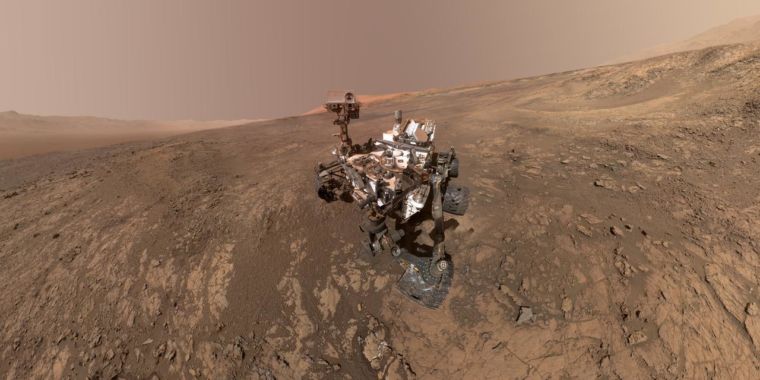
After more than four decades of searching for organic molecules on the surface of Mars, scientists have conclusively found them in mudstones on the lower slopes of Mount Sharp. A variety of organic compounds were discovered by NASA’s Curiosity rover, which heated the Martian rocks to 500° Celsius to release the chemicals. The finding is significant—for life to have ever existed on Mars there would almost certainly need to be organic molecules to get it started; they’re the basic building blocks of life as we know it.
Read More
Tracking CubeSats for $25
CubeSats are tiny satellites which tag along as secondary payloads during launches. They have to weigh in at under 1.33 kg, and are often built at low cost. There’s even open source designs for these little spacecrafts.
Read More
China just invited the world to its space station
At a time when NASA and its partners are trying to decide how long to maintain the International Space Station, China has taken the significant step of inviting the world to its planned orbital station. The China Space Station, or CSS, could become operational as soon as 2022. Such an announcement represents potentially the greatest soft power threat of the last six decades to US and Russian dominance of spaceflight.
Read More
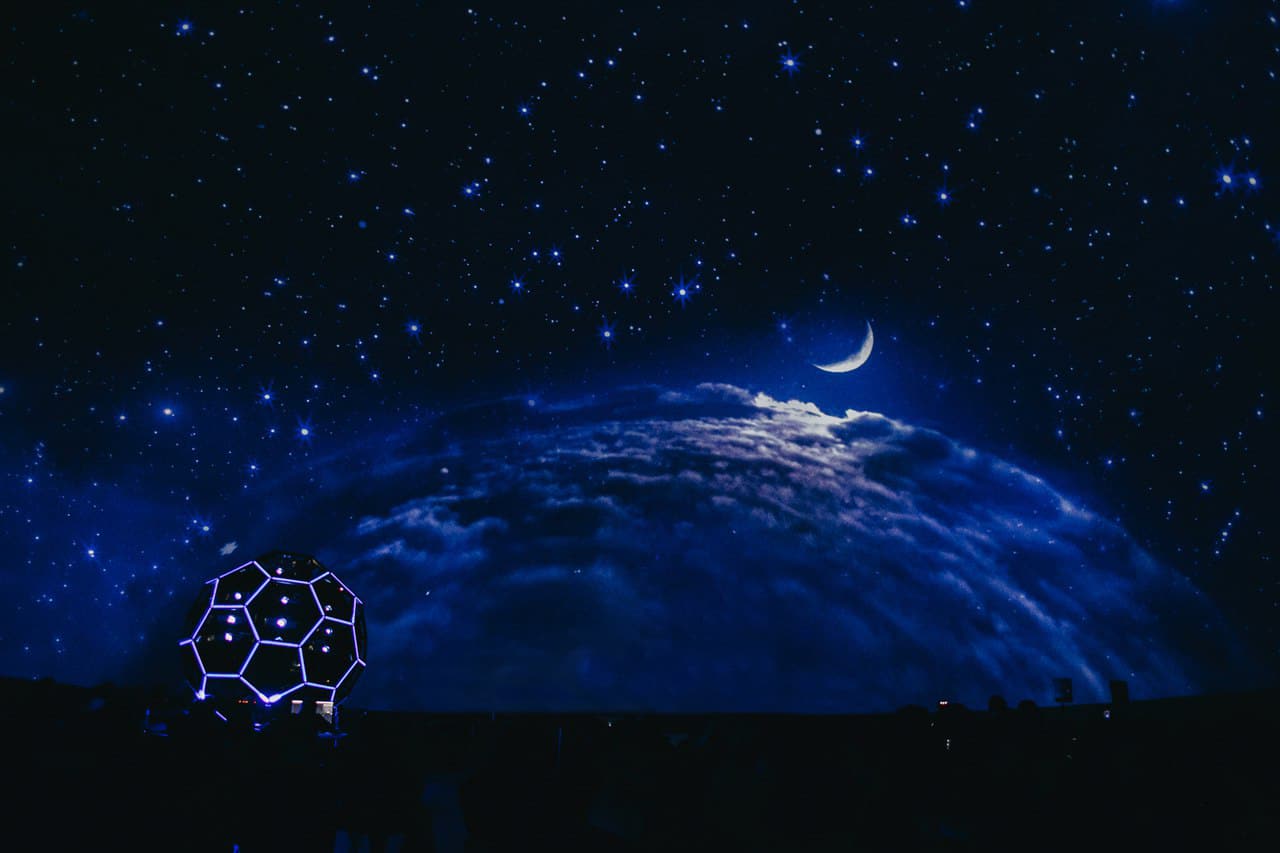
World’s Biggest Planetarium Achieves Jaw-Dropping 10K Resolution
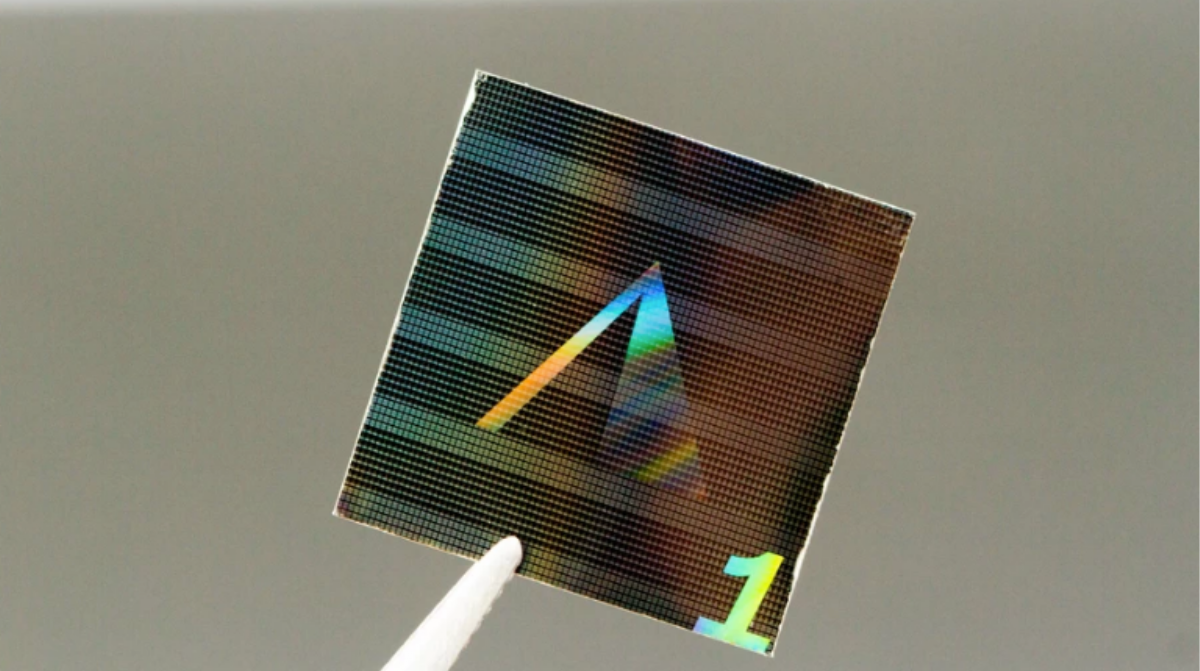
Planetarium No. 1, the world’s biggest planetarium, uses NVIDIA graphics to showcase the universe with a level of clarity, detail and interactivity like never before. Russian dome with half-acre of screen area powered by NVIDIA Quadro graphics. Housed in a 19th century natural gas storage building, the planetarium’s exterior is about the only thing that isn’t on the cutting edge of modernity.
Read More
NASA is bringing cryosleep chambers out of fiction
NASA and SpaceWorks Enterprises are currently developing a stasis chamber (as opposed to individual pods like those in the movie) that could induce an extended state of torpor, or metabolic inactivity medically brought on by lowering body temperature to the point of mild hypothermia, that could allow astronauts to snooze for at least two weeks on end during longer missions. Also unlike Alien, in which everyone is temporarily in freeze-frame until the ship arrives at its destination, the crew would rotate cryosleep shifts so there is always someone conscious in case something goes awry where no one can here you scream. SpaceWorks’ objective is to “place crew and passengers in a prolonged hypothermic state during space-mission transit phases (outbound and Earth-return) to significantly reduce the system mass, power, habitable volume, and medical challenges associated with long-duration space exploration,” as explained on their website.
Read More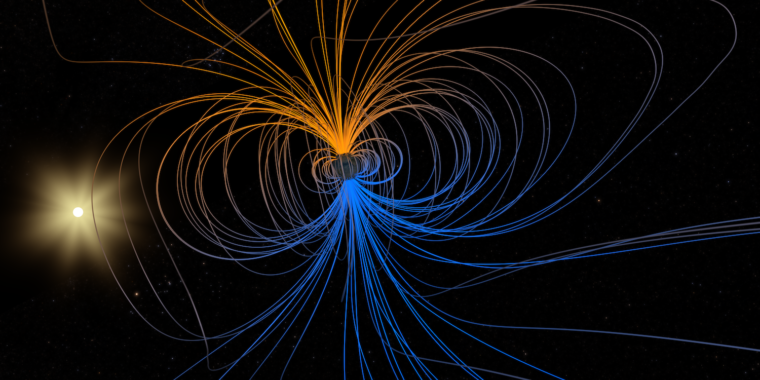
NASA’s EM-drive is a magnetic WTF-thruster
A group of German scientists has now gotten a reasonable amount of money under the rubric of testing all the things. Basically, because the various space agencies have whispered that no idea is too silly to ignore, we need an effective way to quickly test all the stupid space stuff on the Internet. The Germans are currently building something that is designed to do all that testing.
Read More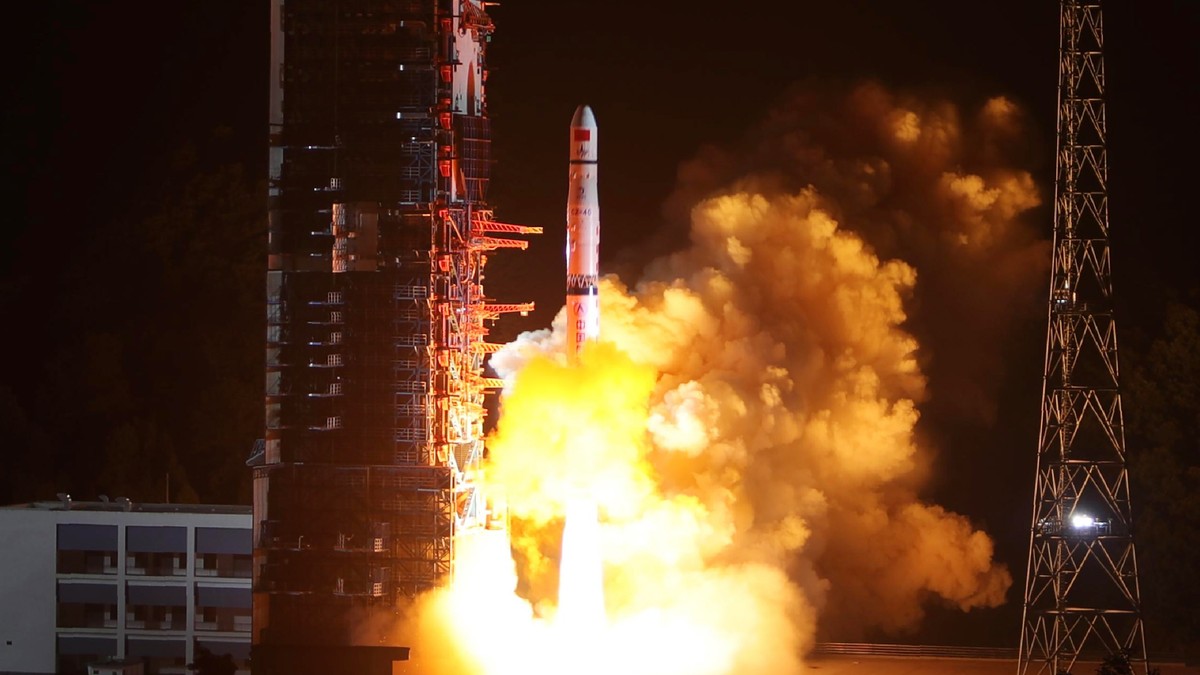
China has launched a communications satellite to the Moon
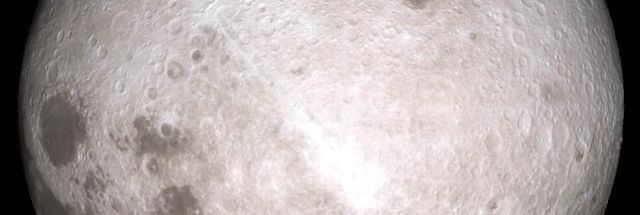
China’s space agency has taken a critical first step toward an unprecedented robotic landing on the far side of the Moon. On Monday, local time, theChina Aerospace Science and Technology Corporation launched aLong March 4C rocket from the Xichang Satellite Launch Center. Although it did not broadcast the launch, the Chinese space agency said it went smoothly, according to the state news service Xinhua.
Read More

The SpaceDrive Project – First Results on EMDrive
Propellantless propulsion is believed to be the best option for interstellar travel. However, photon rockets or solar sails have thrusts so low that maybe only nano-scaled spacecraft may reach the next star within our lifetime using very high-power laser beams. Following into the footsteps of earlier breakthrough propulsion programs, we are investigating different concepts based on non-classical/revolutionary propulsion ideas that claim to be at least an order of magnitude more efficient in producing thrust compared to photon rockets.
Read More
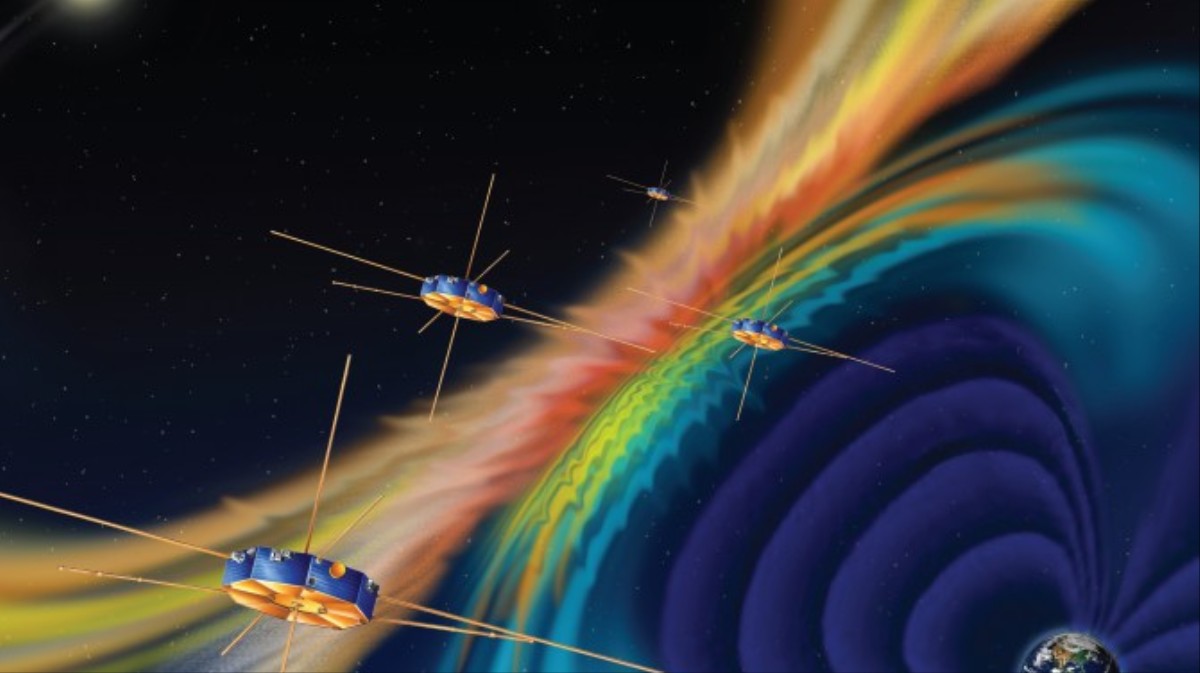
Watch These Trippy NASA Visualizations of Space Magnetism
Earth is a giant magnet, and the field that surrounds it, called the magnetosphere, is one of the major reasons life on our planet has been able to flourish. But despite its crucial role in warding off cosmic radiation and atmospheric loss, there’s a lot we don’t know about the magnetosphere. That’s why in March 2015, NASA launched the Magnetospheric Multiscale Mission (MMS), a fleet of four spacecraft, to study its secrets.
Read More
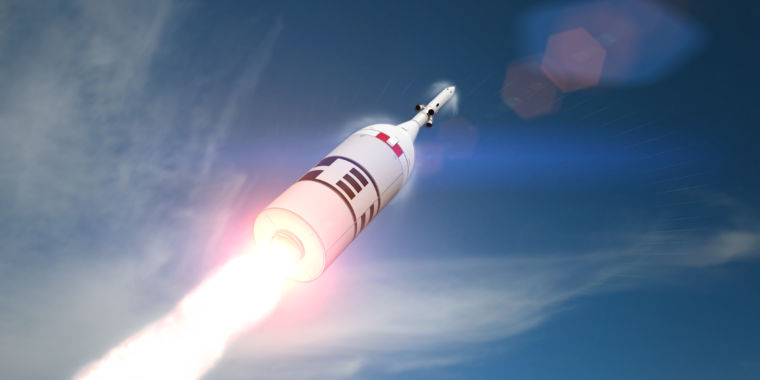
NASA’s Orion spacecraft getting closer to finally flying again
It has been a long three-and-a-half years since the Orion spacecraft first launched into space in December 2014, making a successful shake-out flight. But now, NASA’s program aimed at building a large, deep-space capsule capable of sending astronauts to and from lunar orbit is finally ramping back up toward a series of test flights. In less than a year, a boilerplate model of the Orion spacecraft will be jettisoned from its rocket at 55 seconds after liftoff, to test the vehicle’s launch abort system.
Read More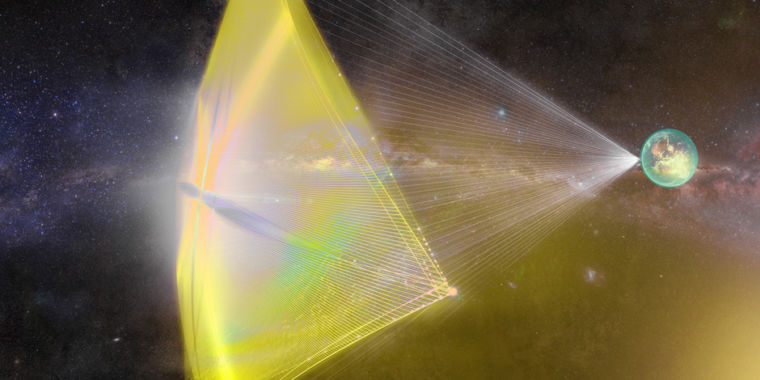
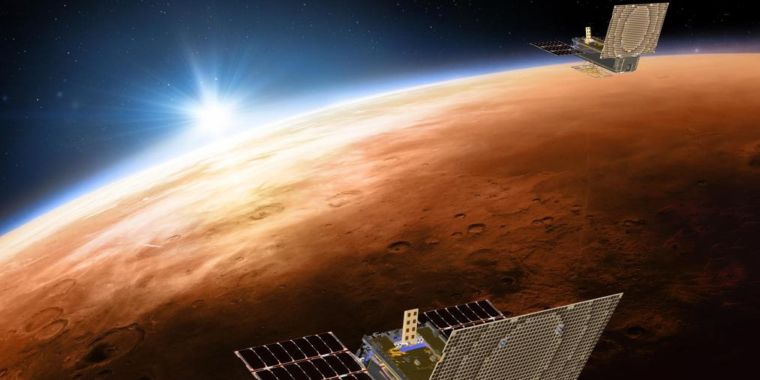
For the first time, two CubeSats have gone interplanetary
The first CubeSats launched in 2003, and in less than a decade, more than 100 had reached orbit around Earth. The aerospace industry has debated whether the 2kg to 15kg microsatellites are a fad, a toy, or a disruptive technology that will change the way we ultimately observe and study Earth and the rest of the Solar System. However, what is now beyond doubt is that the first CubeSats have gone interplanetary.
Read More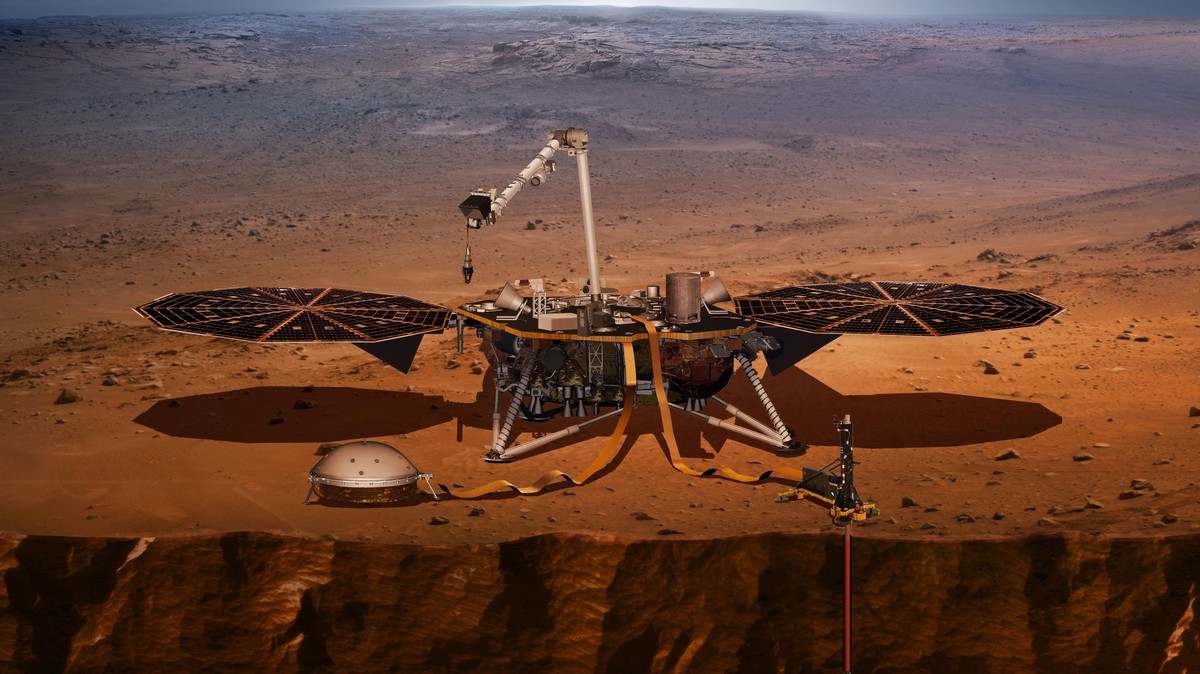
NASA’s Launching a Lander That Will Dig on Mars
InSight will accomplish this feat with its Heat Flow and Physical Properties Package (HP3), nicknamed “the mole” because it can burrow through regolith (the loose rocky surface layer on Mars and many other terrestrial planets). The instrument consists of a tube with a spring-loaded mechanism that will hammer out a hole in half-meter increments. Every 50 centimeters, it will stop for several hours or days to take thermal measurements and cool down from the frictional and operational heat generated by the dig process.
Read More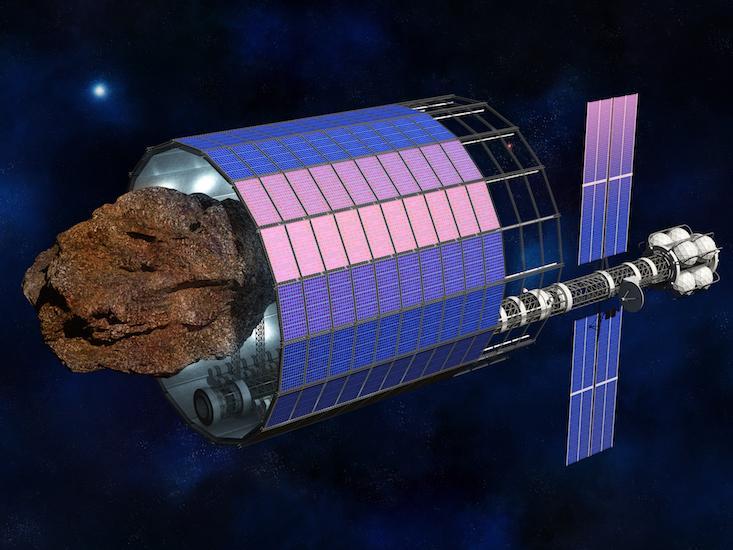
Mining in Space Could Lead to Conflicts on Earth
Space mining is no longer science fiction. By the 2020s, Planetary Resources and Deep Space Industries—for-profit space-mining companies cooperating with NASA—will be sending out swarms of tiny satellites to assess the composition of hurtling hunks of cosmic debris, identify the most lucrative ones, and harvest them. They’ve already developed prototype spacecraft to do the job.
Read More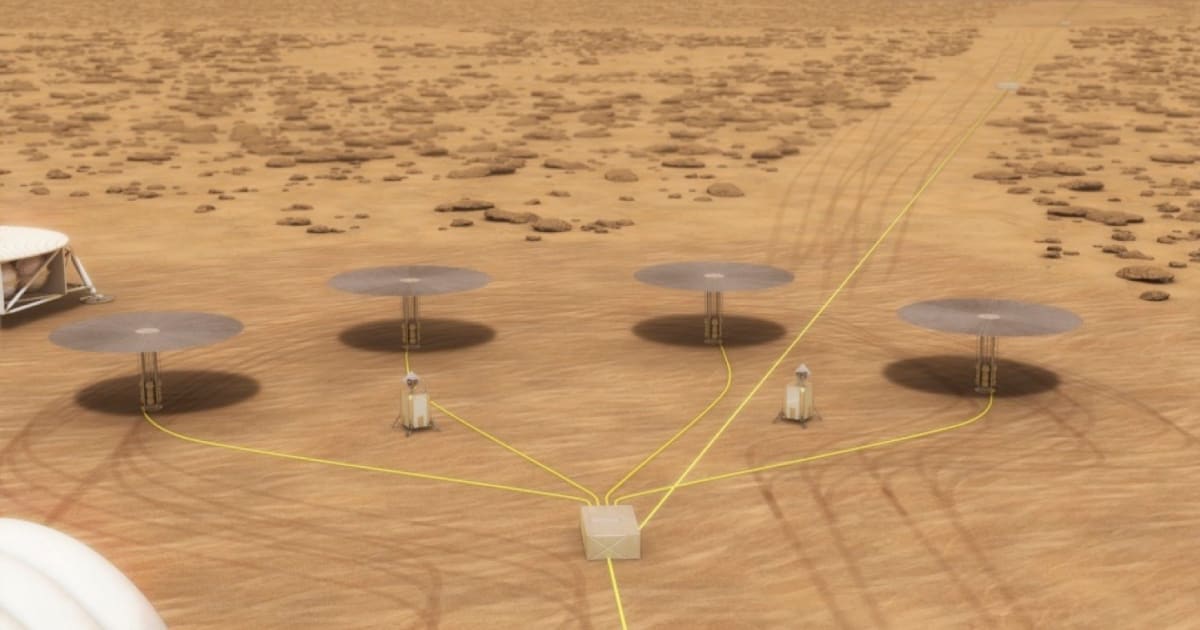
NASA completes full-power tests of small, portable nuclear reactor
Being able to generate power will be essential for long-term space travel. Powering a stay on Mars, for example, will require a lot of fuel, way more than we can pack onto a rocket. That’s why NASA, Los Alamos National Laboratory, the Department of Energy and a number of other groups have been working on a small, transportable nuclear reactor that can reliably generate power on the go.
Read More
A Radically Conservative Solution for Cosmology’s Biggest Mystery
The conflicting measurements have vexed astrophysicists and inspired rampant speculation as to whether unknown physical processes might be causing the discrepancy. Maybe dark matter particles are interacting strongly with the regular matter of planets, stars and galaxies? Or perhaps an exotic particle not yet detected, such as the so-called sterile neutrino, might be playing a role.
Read More
NASA green lights self-assembling space telescope
His idea involves programming thousands of individual hexagon-shaped modules, each 1 meter across and topped with an edge-to-edge active (adjustable) mirror assembly. These would form the primary and secondary mirrors.
Read More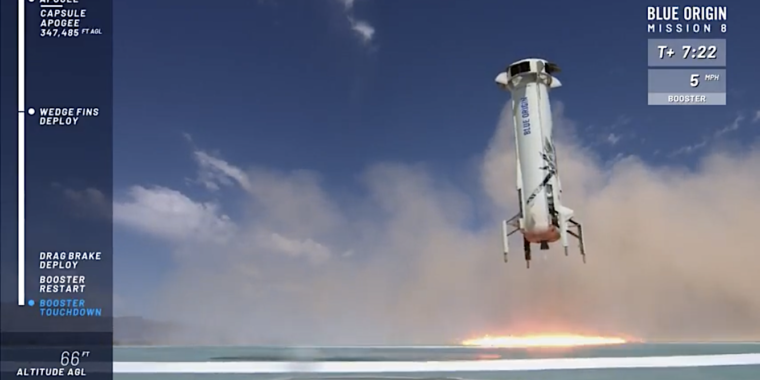
New Shepard flies again, bringing suborbital space tourism closer
Sunday’s flight was Blue Origin’s eighth overall launch of the New Shepard system and the second time this particular spacecraft and booster have flown. They last flew in December. It is believed that this capsule, the third one built by the company, will undergo extensive testing before crew flights begin in the fourth vehicle.
Read More
Drilling with Curiosity
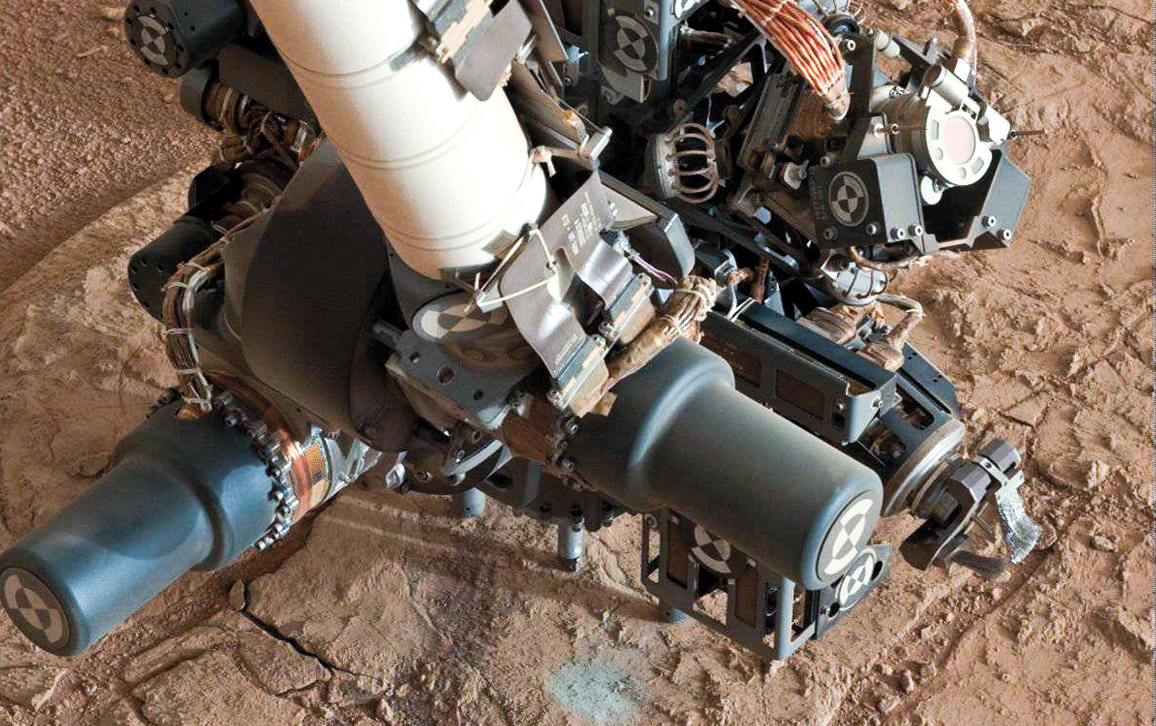
Remotely operating a rover on another planet so that it can gather and analyze samples requires extensive planning, failure work-arounds, and compromise.
Read More
Improved Hubble data provide fresh evidence for new physics
Measurements made by the European Space Agency’s Planck satellite, which maps the cosmic microwave background, predicted that the Hubble constant value should now be 67 kilometers per second per megaparsec (3.3 million light-years), and could be no higher than 69 kilometers per second per megaparsec. This means that for every 3.3 million light-years farther away a galaxy is from us, it is moving 67 kilometers per second faster. But Riess’s team measured a value of 73 kilometers per second per megaparsec, indicating galaxies are moving at a faster rate than implied by observations of the early universe.
Read More
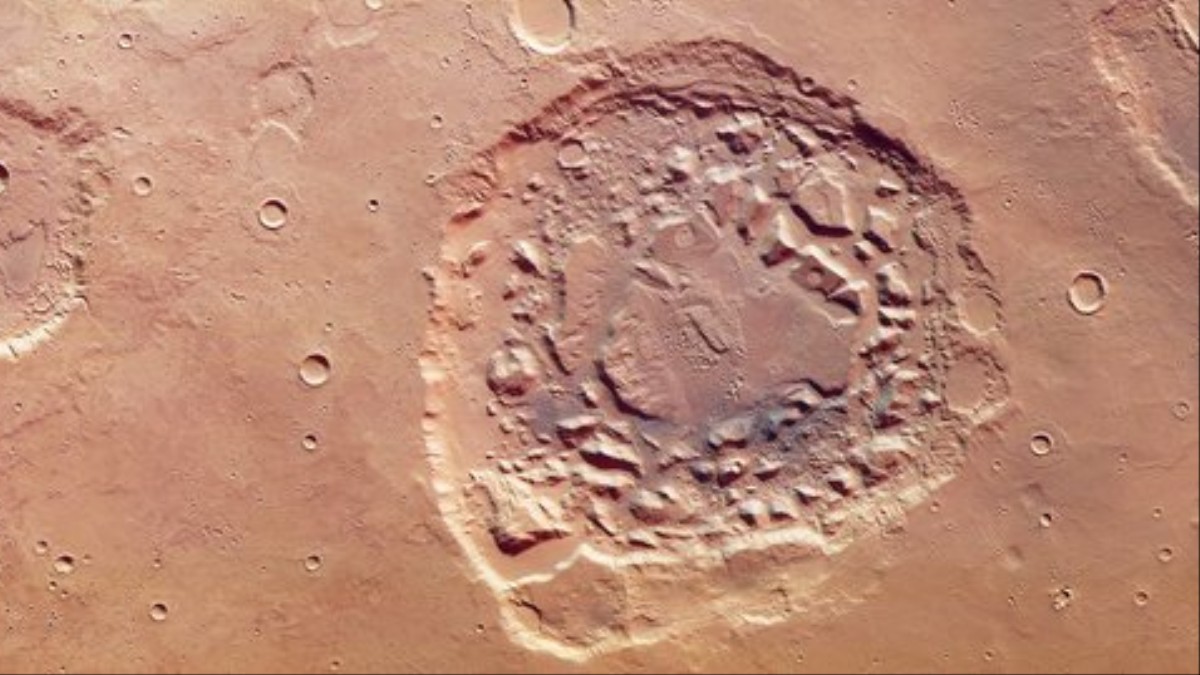
Nobody Knows How This Part of Mars Exploded
On the scarred terrain of Arabia Terra, a region on Mars that serves as the setting for The Martian, lies a mysterious pockmark known as Ismenia Patera. New imagery released by the European Space Agency (ESA) on Thursday reveals dimensions of this feature that help contextualize its geological evolution (though its origins remain unresolved).
Read More

Trouble Detected in Infamous Dark Matter Signal
New results from a decades-old experiment were initially touted as further evidence for dark matter. But independent scientists have cast serious doubt on that claim, leaving most everyone puzzled.
Read More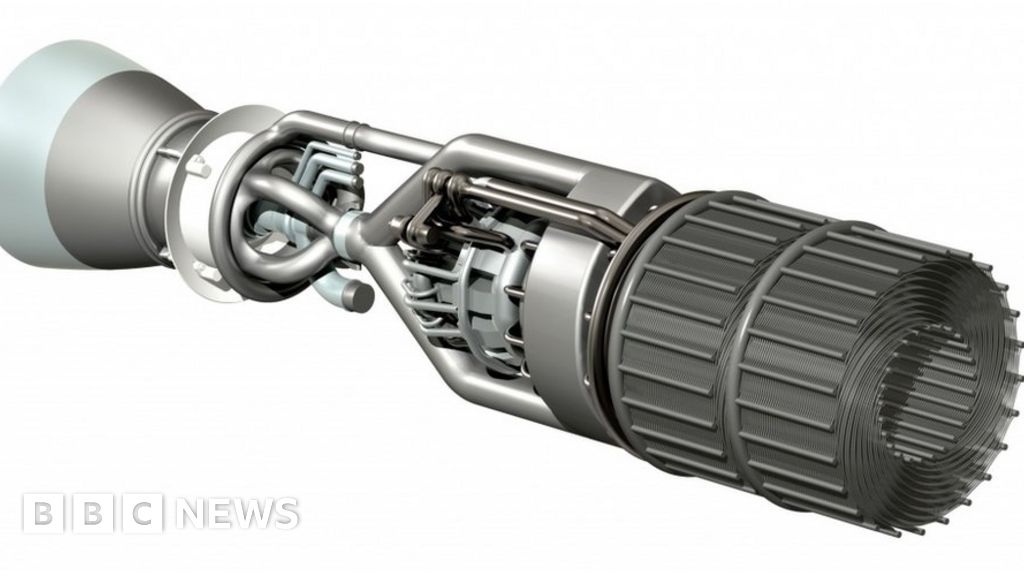
Rolls-Royce and Boeing invest in UK space engine
Key technologies include a compact pre-cooler heat-exchanger that can take an incoming airstream of over 1,000C and cool it to -150C in less than 1/100th of a second. This would permit Sabre to use oxygen direct from the atmosphere for combustion instead of carrying it in a tank with the weight penalty that implies.
Read More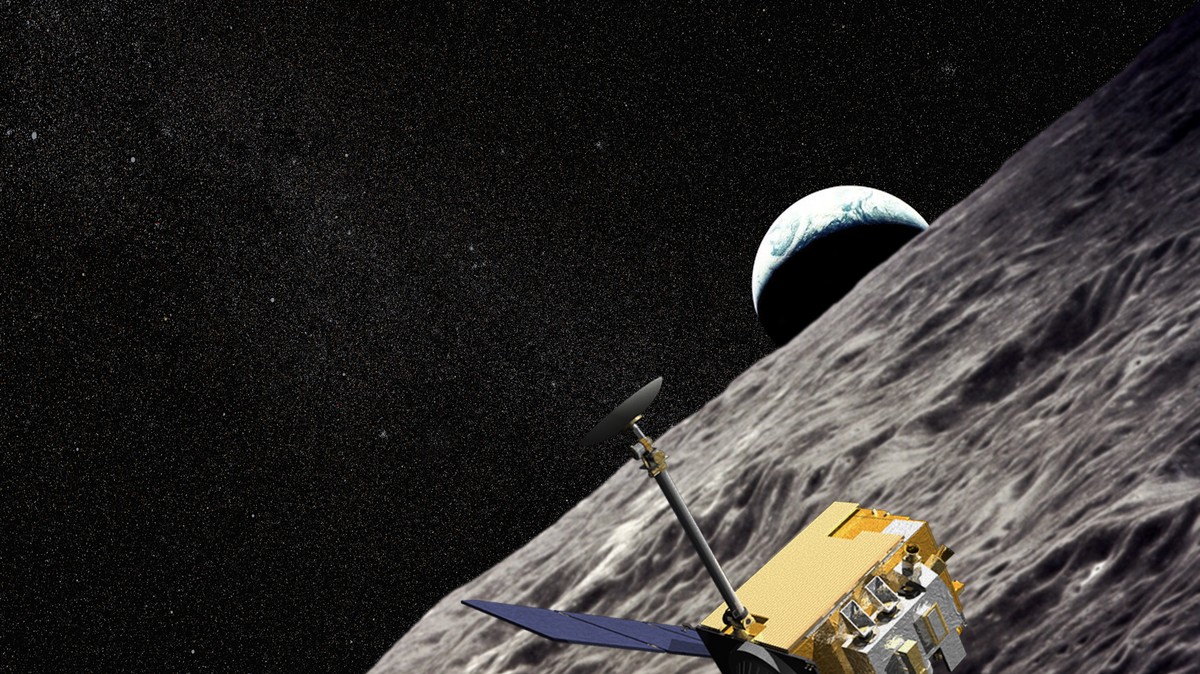

Breakthrough Announced in Dark Matter Detection Technology
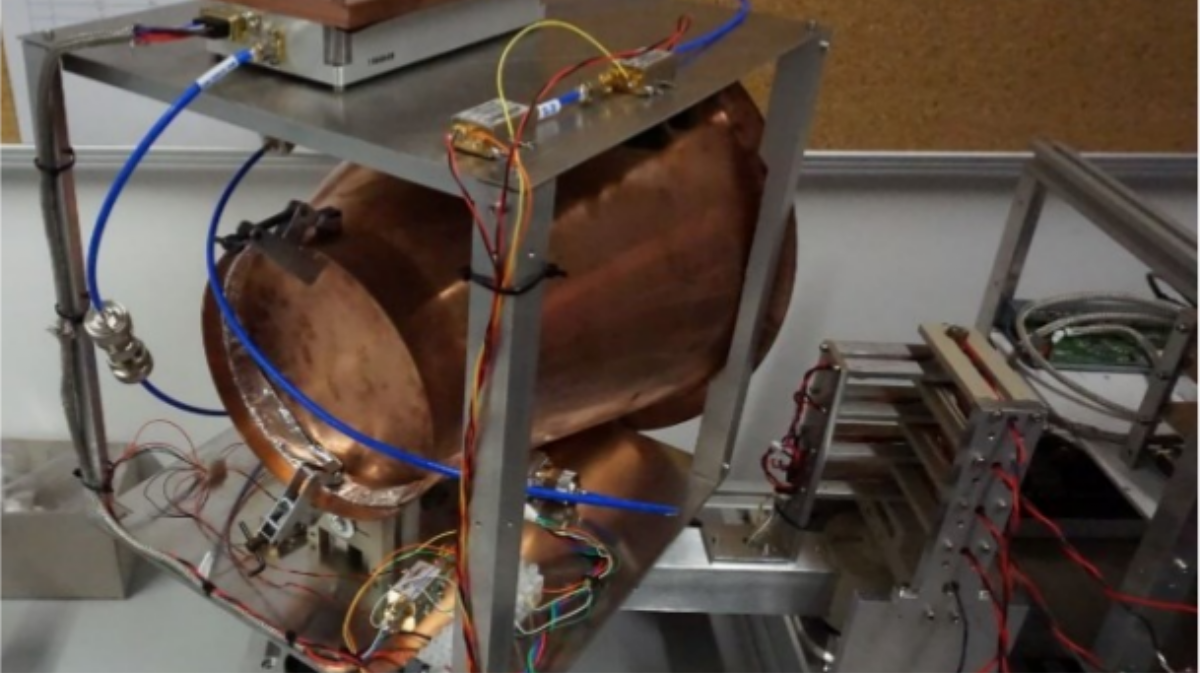
This week, the Axion Dark Matter Experiment (ADMX) unveiled a new result, published in the journal Physical Review Letters, that places it in a category of one: it is the world’s first and only experiment to have achieved the necessary sensitivity to “hear” the telltale signs of dark matter axions. This technological breakthrough is the result of more than 30 years of research and development, with the latest piece of the puzzle coming in the form of a quantum-enabled device that allows ADMX to listen for axions more closely than any experiment ever built.
Read More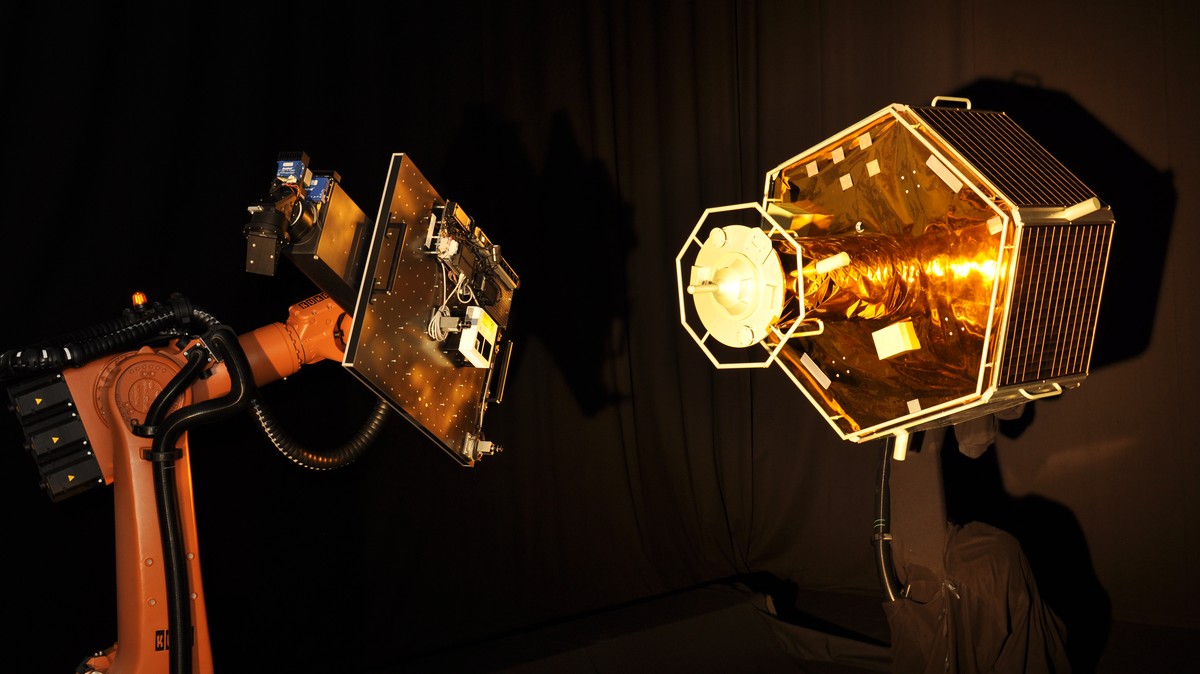
Watch These Scientists Remotely Operate a Space Garbage Robot
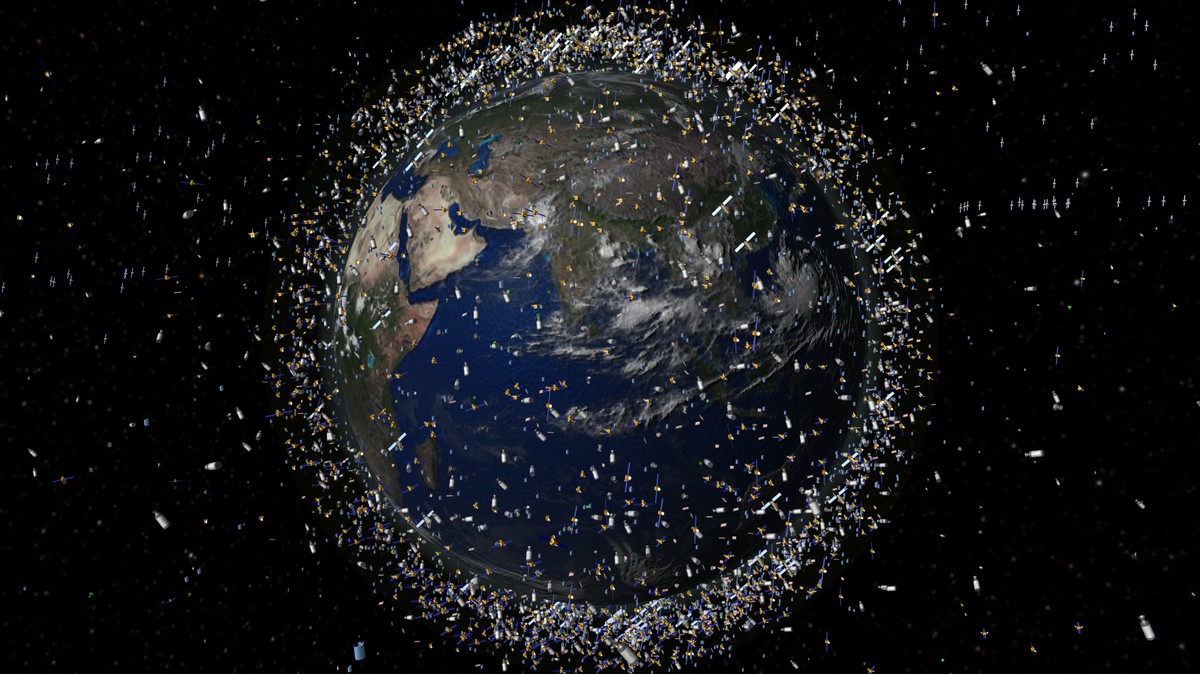
Humans aren’t great at picking up their trash, a fact that is reinforced by the Great Pacific garbage patch and other massive dumps and landfills around the world. As it turns out, we are also taking our talent at producing rubbish into orbit with us. Since the advent of spaceflight in the 1950s, outer space has become congested with about 500,000 bits of spacecraft debris measuring larger than a marble, and 20,000 chunks larger than a softball, according to NASA.
Read More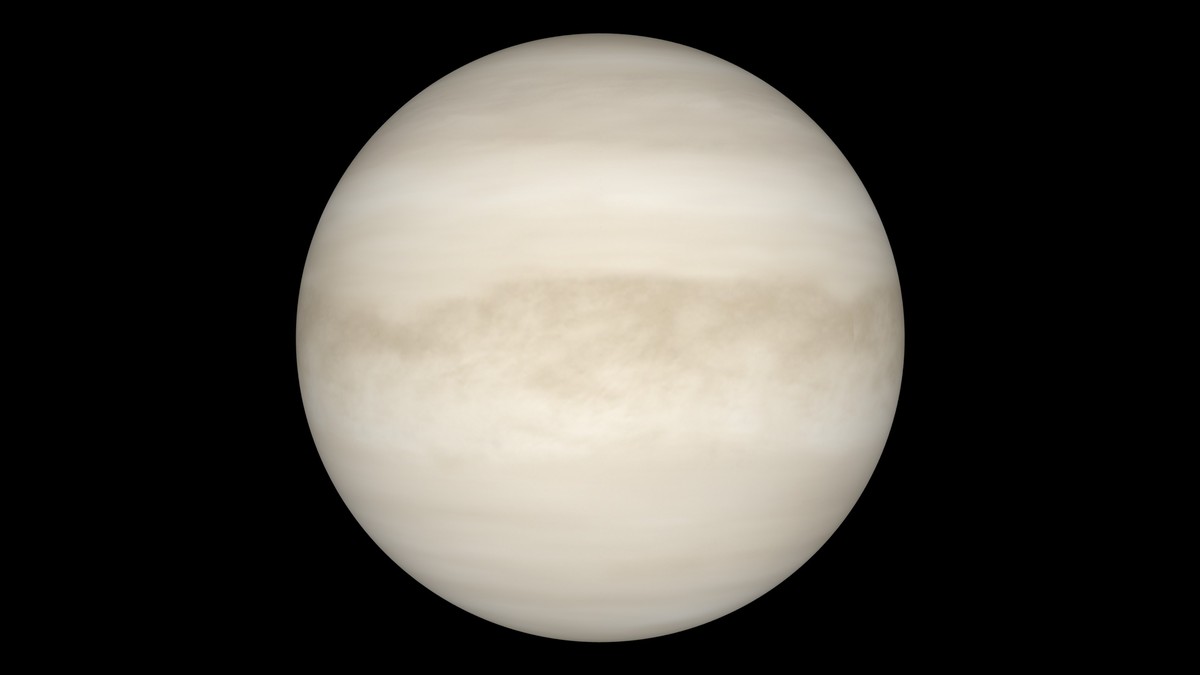
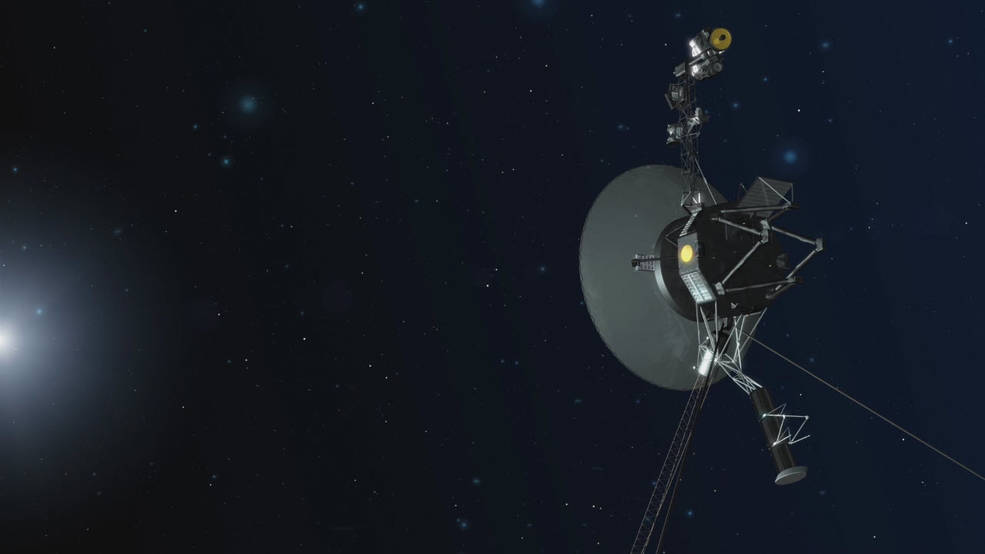
Voyager 1 Fires Up Thrusters After 37 Years
Thethrusters aboard the Voyager 1 spacecraft just did what we thought was impossible. After 37 years of inactivity,NASA just received response from spacecraft 13 billion miles away, NASA said in a statement on its website. Voyager 1 is NASA’s farthest and fastest spacecraft.
Read More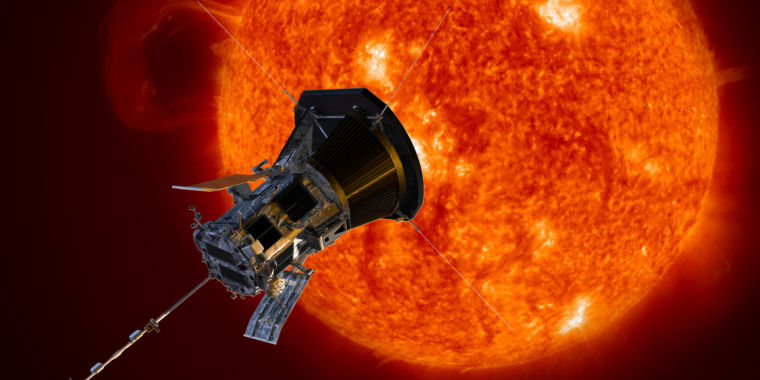
Mars One Is a “Money Grab” Where Everyone Loses
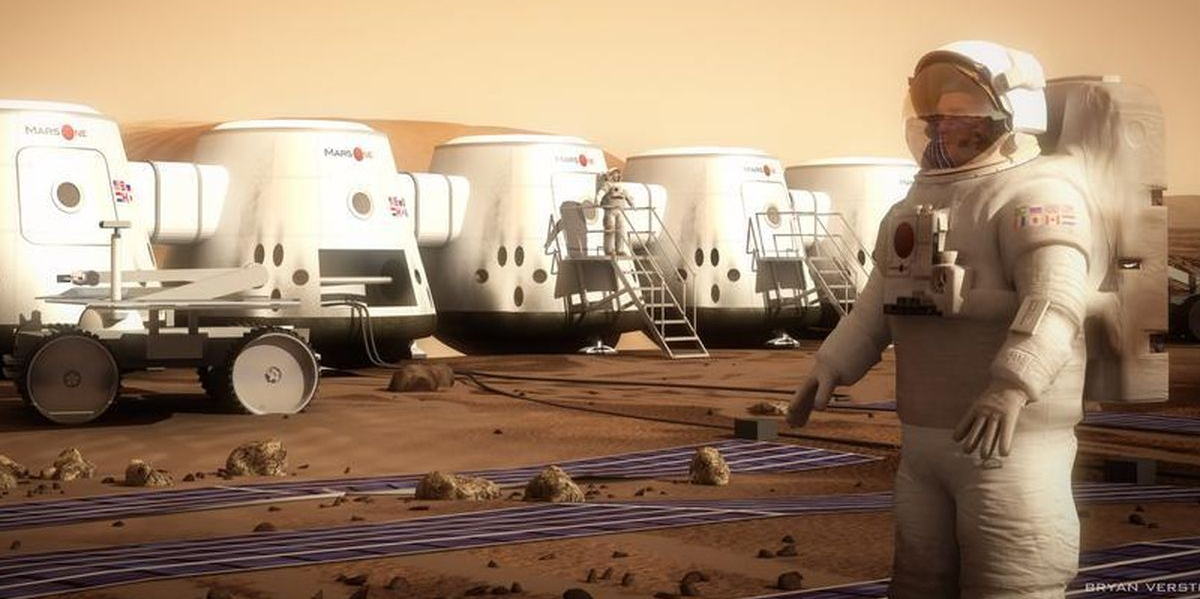
The space tourism startup Mars One has been called many things over the years, some more flattering than others. Though it’s had the opportunity to fold many times, and in spite of claims it’s scamming its own customers, the project with the stated goal of sending people to Mars has come up with bewildering new techniques to keep its charade afloat.
Read More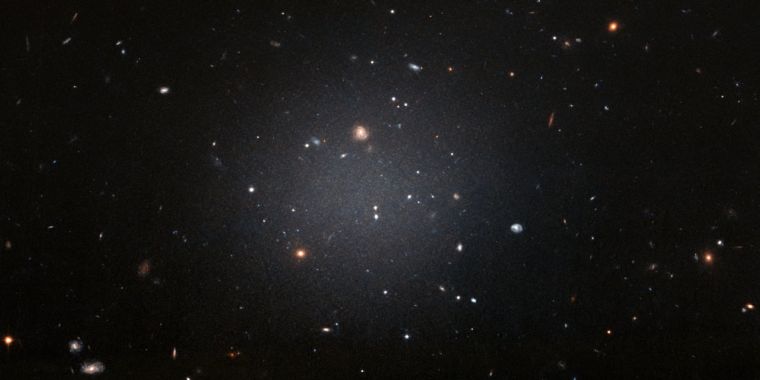
Galaxy seems to lack dark matter, stumping astronomers
Dark matter and galaxies normally go hand in hand. Dark matter seems to be needed to draw in sufficient material to form the galaxy and its stars, and halos of dark matter keep galaxies from spinning apart as they rotate. So scientists were more than a bit surprised to find a galaxy that has little to no dark matter at all.
Read More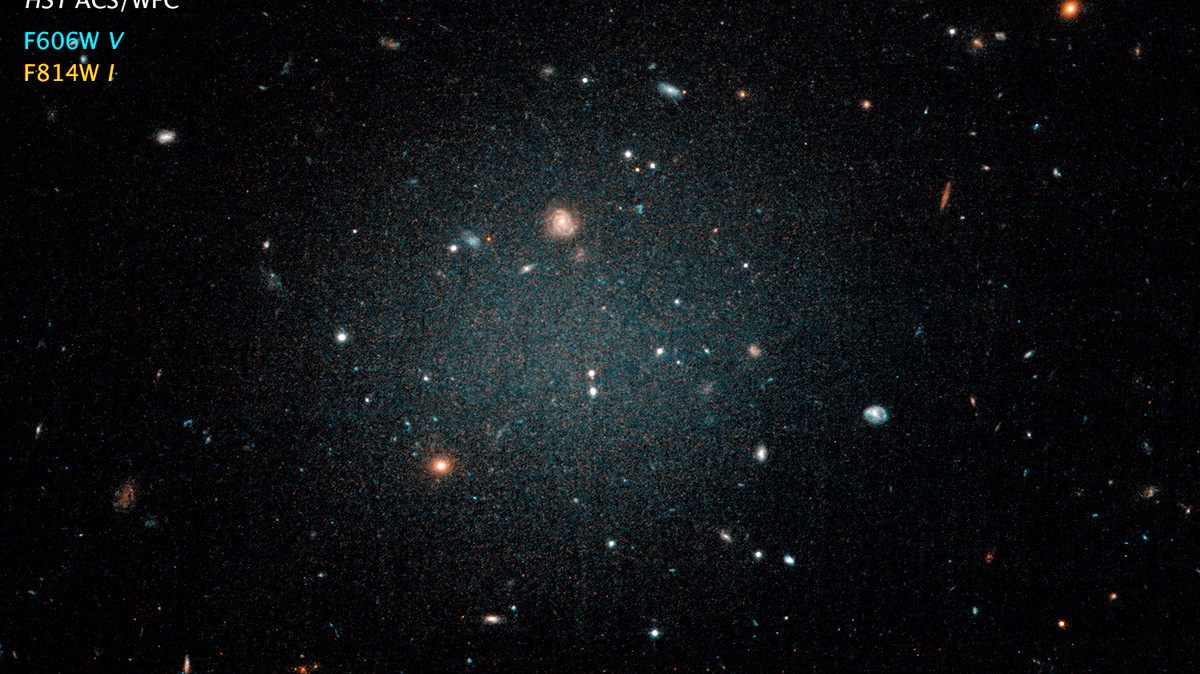
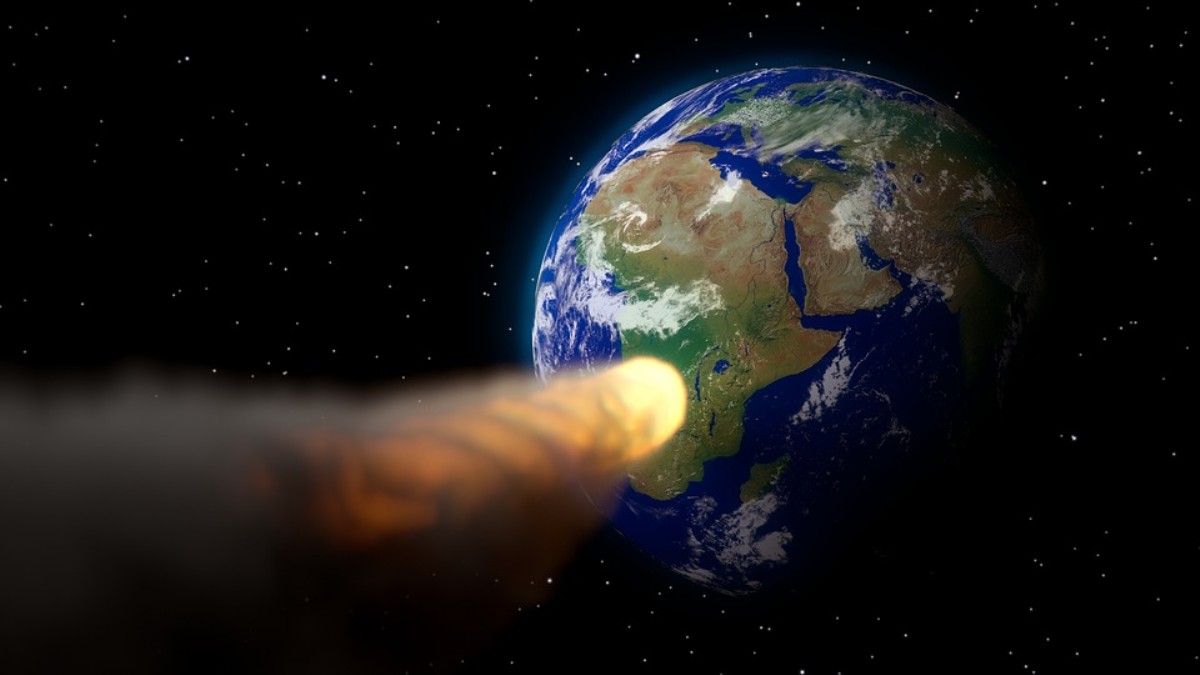
Could We Actually Nuke an Asteroid to Save Earth?
Two recent papers anticipate how nukes could be employed to either deflect an asteroid on a collision course with Earth, or blow it into smaller, less hazardous chunks. One, published in Acta Astronautica, proposes a vehicle called the Hypervelocity Asteroid Mitigation Mission for Emergency Response (HAMMER), which could be deployed to nudge asteroids away from Earth, or in a worst case scenario, as a delivery mechanism for a nuclear device.
Read More
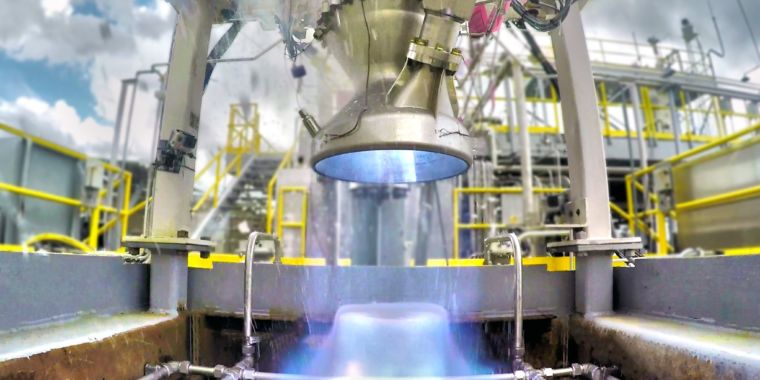
Relativity Space reveals its ambitions with big NASA deal
Founded in late 2015, Relativity remained in stealth mode until last year, but now it is starting to come out of the shadows. And in doing so, the California-based company is revealing some pretty outsized ambitions. One day, in fact, the company intends to 3D print a rocket on Mars for a return trip to Earth.
Read More


The Worsening Cosmic Ray Situation
The story begins four years ago when Schwadron and colleagues first sounded the alarm about cosmic rays. Analyzing data from the Cosmic Ray Telescope for the Effects of Radiation (CRaTER) instrument onboard NASA’s Lunar Reconnaissance Orbiter (LRO), they found that cosmic rays in the Earth-Moon system were peaking at levels never before seen in the Space Age. The worsening radiation environment, they pointed out, was a potential peril to astronauts, curtailing how long they could safely travel through space.
Read More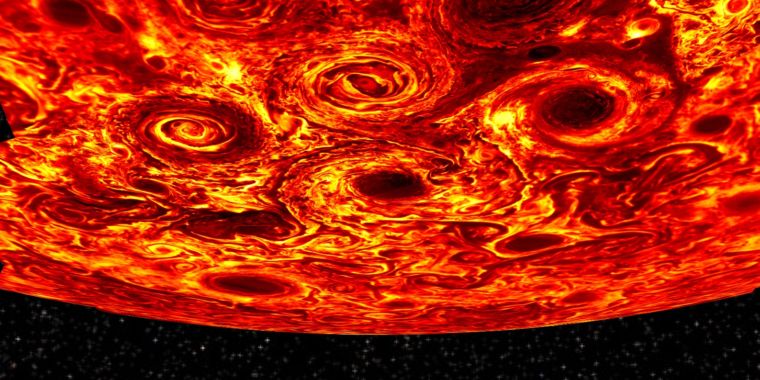
Scientists find odd and amazing cyclones at Jupiter’s poles
This composite image, derived from data collected by the Jovian Infrared Auroral Mapper (JIRAM) instrument aboard NASA’s Juno mission to Jupiter, shows the central cyclone at the planet’s north pole and the eight cyclones that encircle it.
Read More
First firing of air-breathing Electric Truster
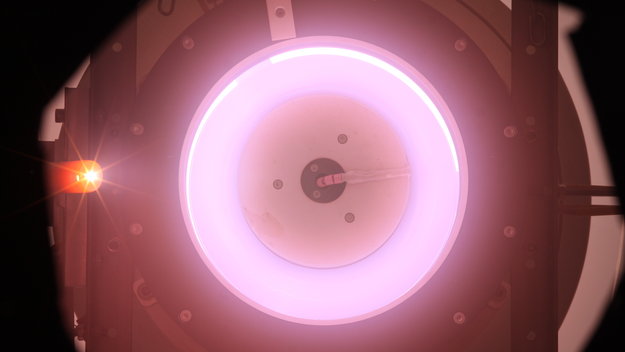
In a world-first, an ESA-led team has built and fired an electric thruster to ingest scarce air molecules from the top of the atmosphere for propellant, opening the way to satellites flying in very low orbits for years on end.
Read More
IBM Is Sending a Floating Robot Head Into Space
Called CIMON (Crew Interactive Mobile Companion), the new crew member is about the size of a medicine ball and will work alongside human astronauts in space. The “floating brain” is equipped with IBM’s Watson artificial intelligence technology and is expected to assist astronauts during the European Space Agency’s Horizons mission in June.
Read More


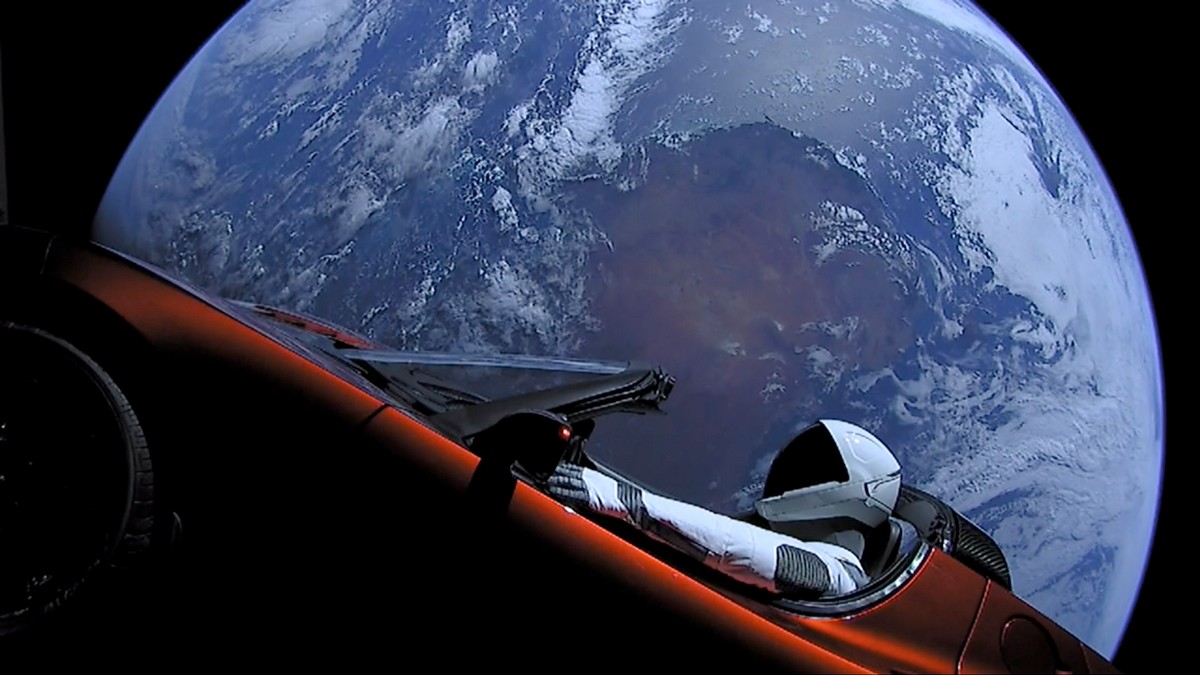
Elon Musk’s Bacteria-Covered Space Car May Be a ‘Biothreat’
“ The load of bacteria on the Tesla could be considered a biothreat—or a backup copy of life on Earth.”
Read More